Shandong Huabang Agricultural And Animal Husbandry Machinery Co., Ltd.

All Categories

Chicken Cage Automation: Upgrade Your Poultry Setup

Learn more about automating chicken farms and how doors, feeding, and waste removal can now be automated with ease. We will learn how automating these farming processes save time, improve care for the chickens, and increase the overall productivity of poultry farming.
Get A Quote

Advantages of the product

Enhanced Efficiency with Cage Automation

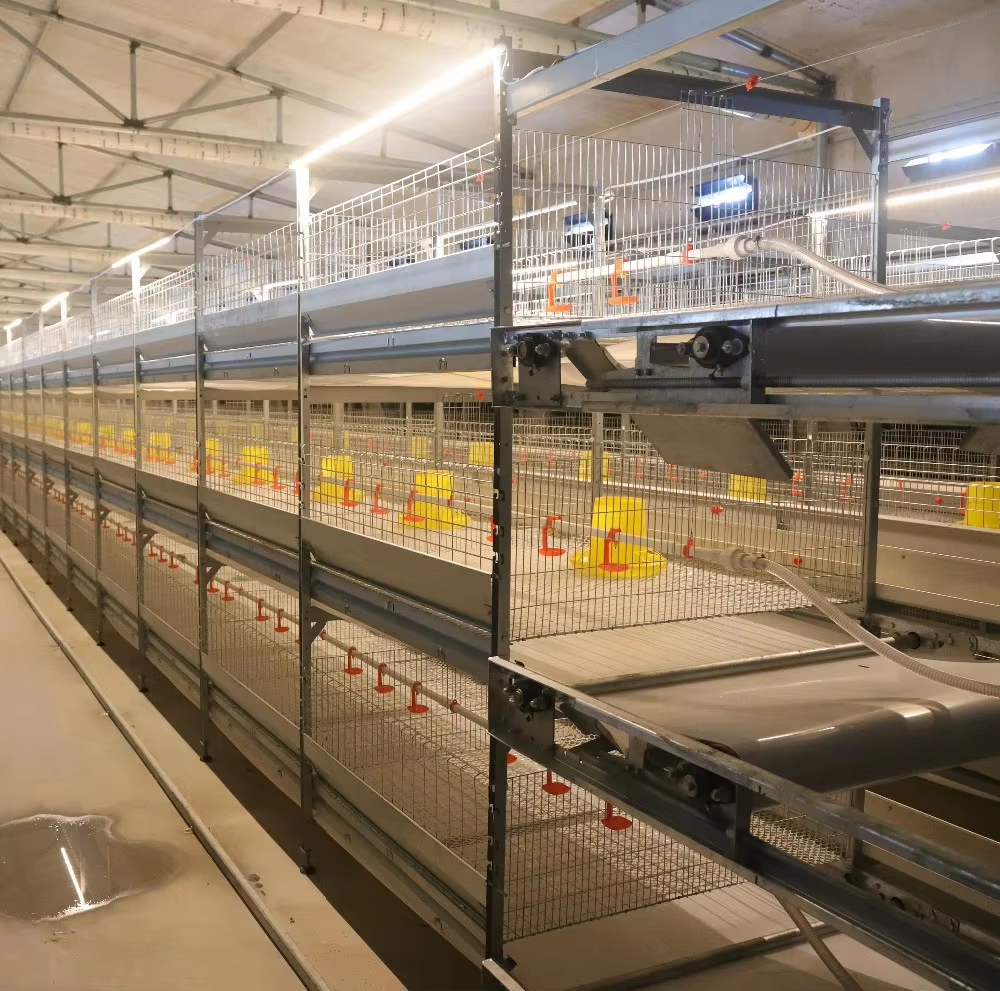
With automation for chicken cages, processes in poultry farming become more efficient. Labor demands can be lessened with built-in features like door opening and shutting, feeding and watering, and waste management. Automation can improve the health and productivity of the chickens due to a controlled environment. Likewise, automation on chicken cages increases the precision on how the living conditions of the chicken can be managed, making the process economical and efficient.

Related products

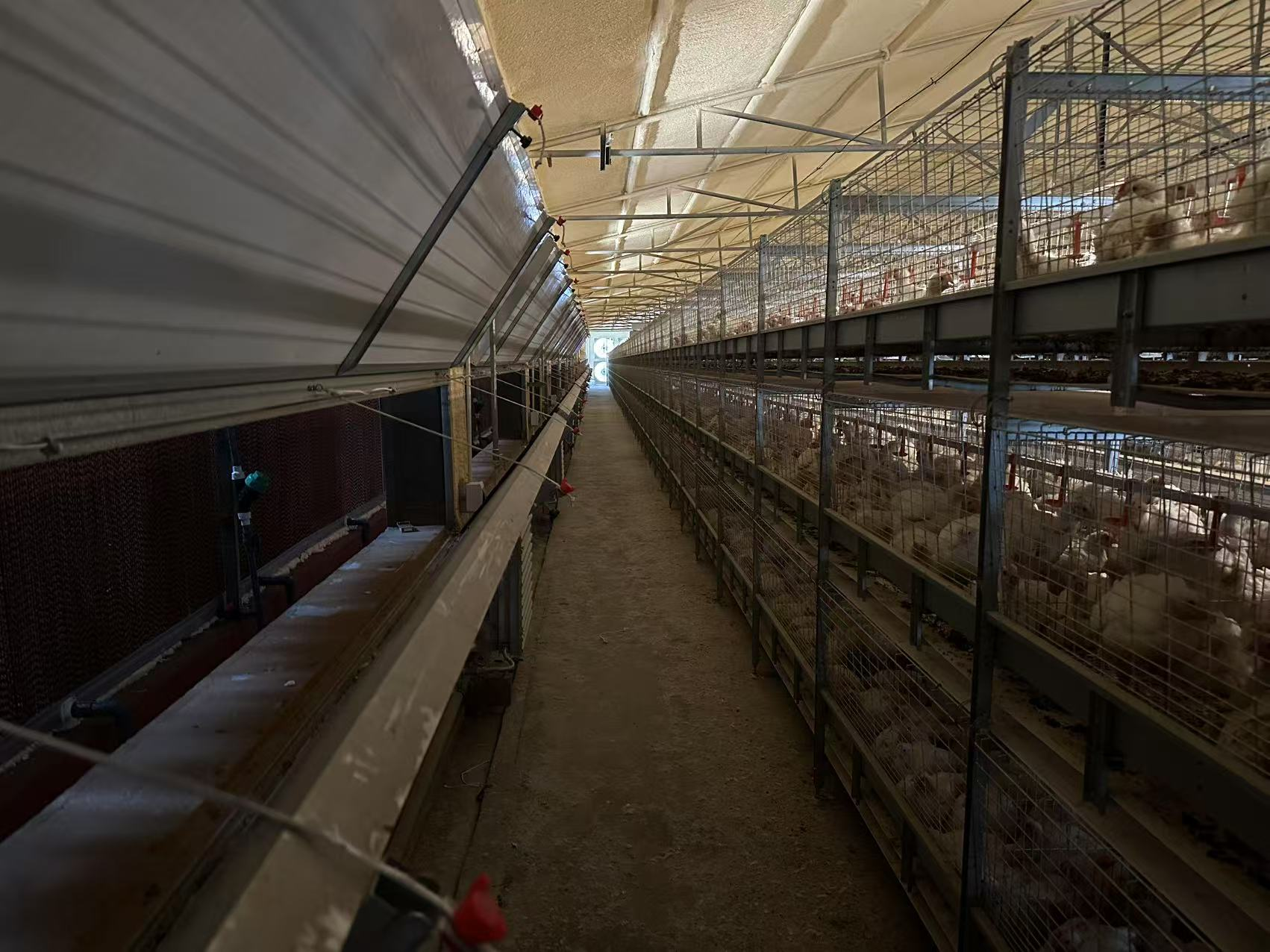
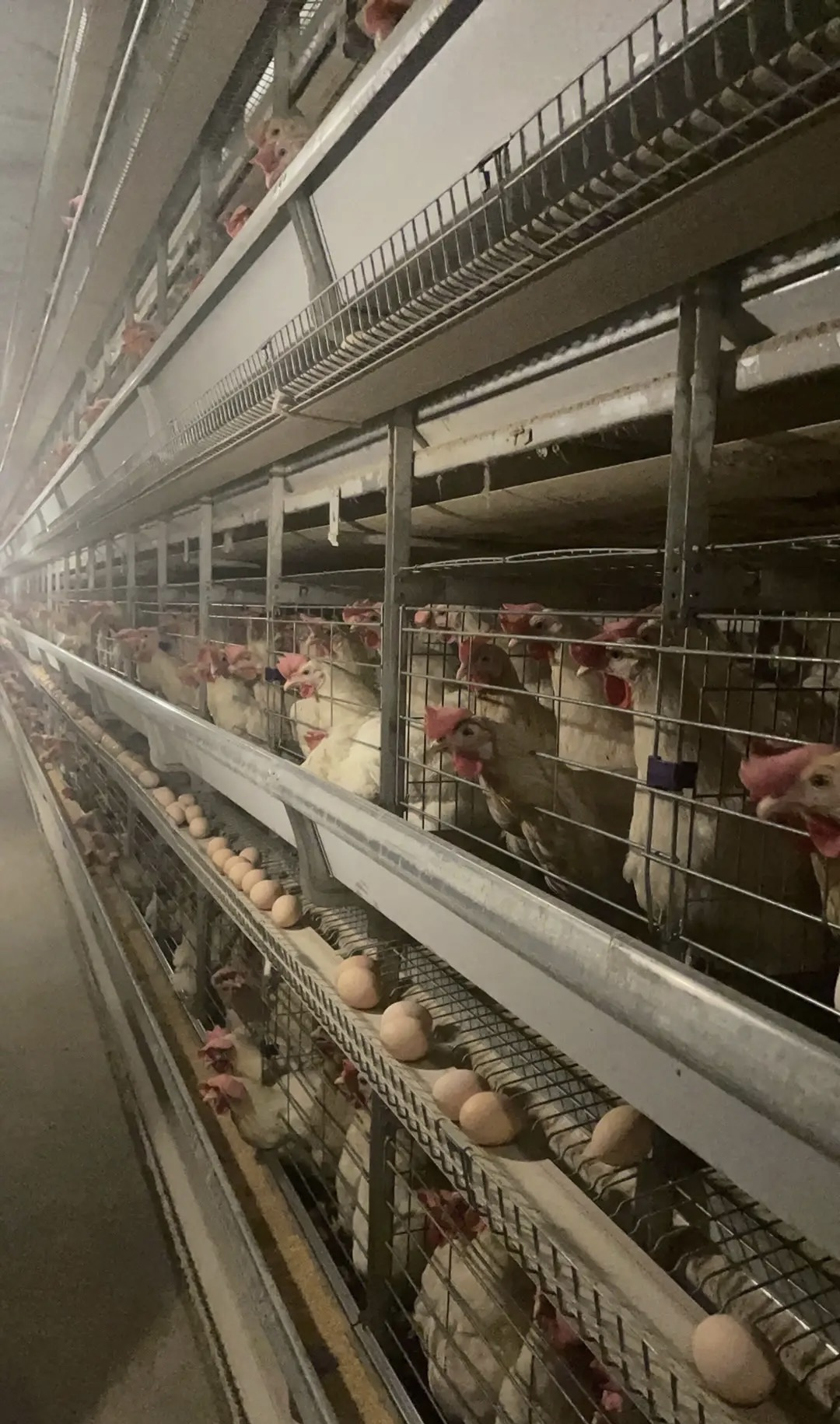
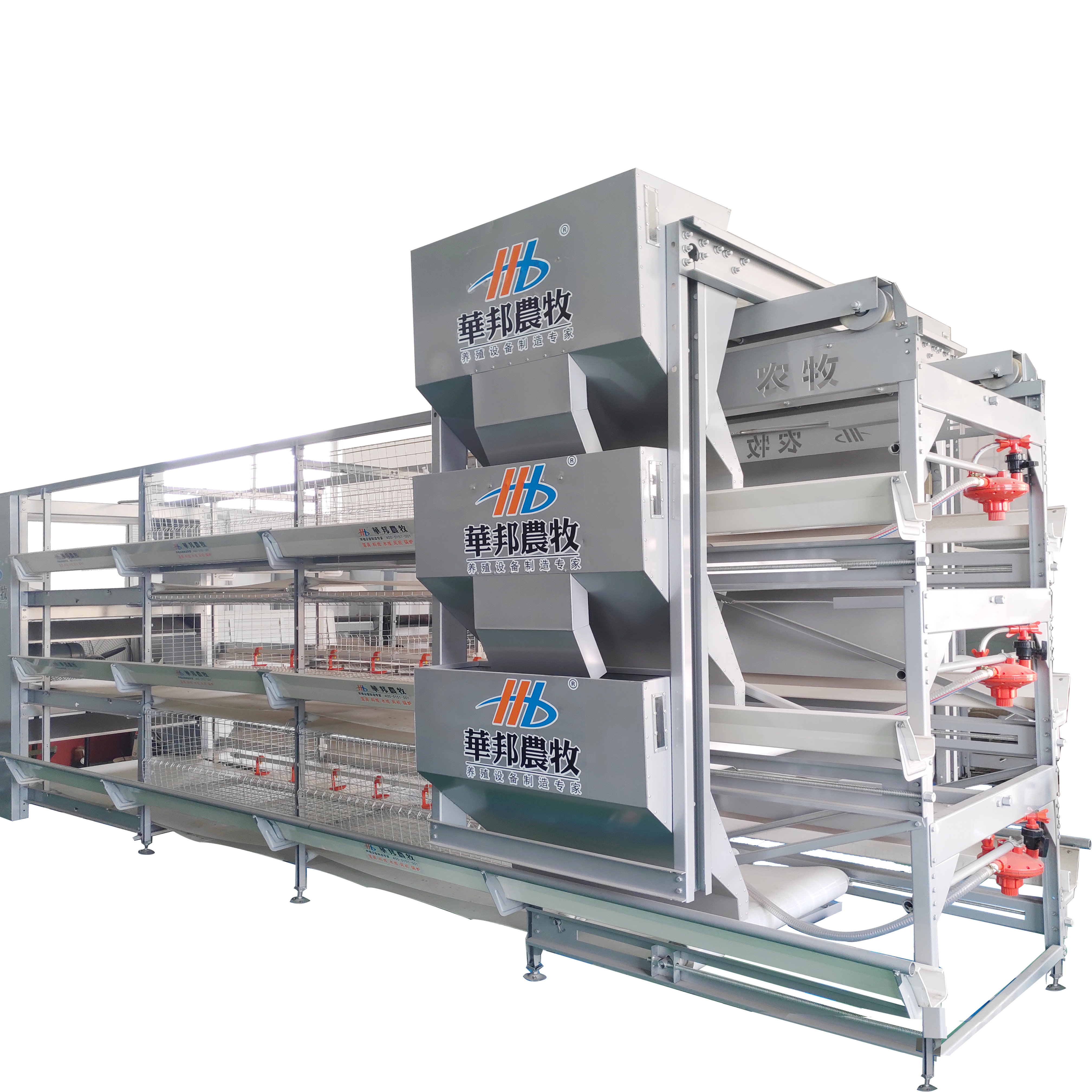
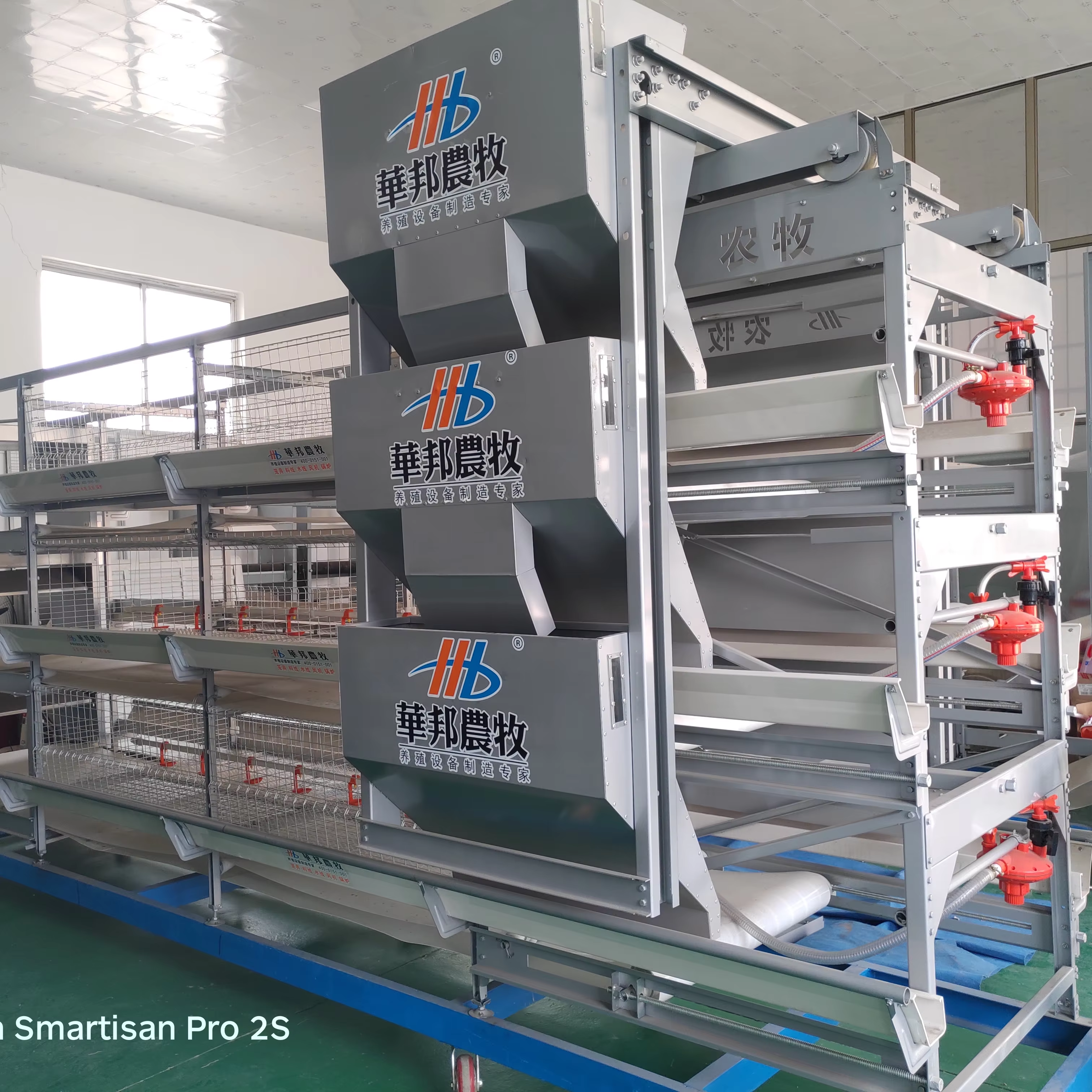
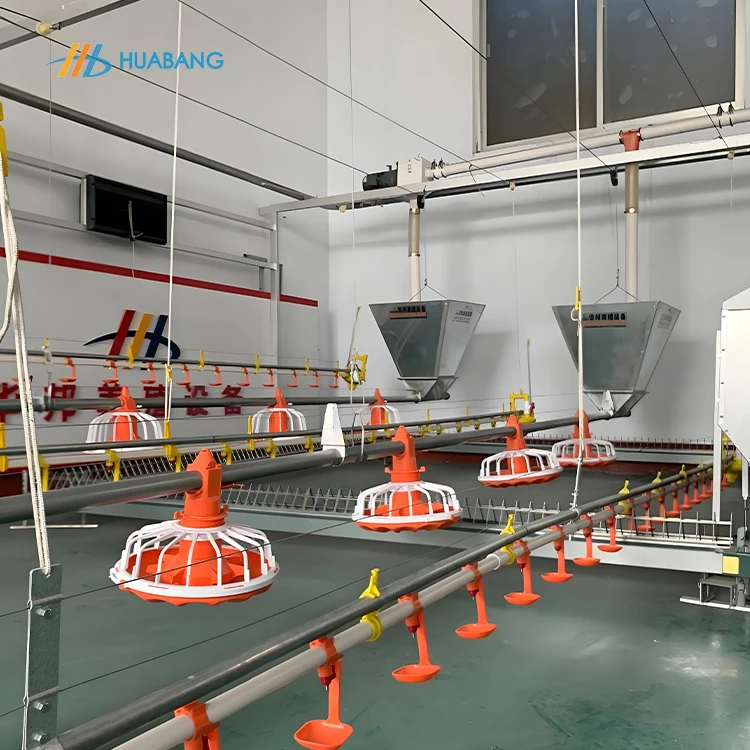
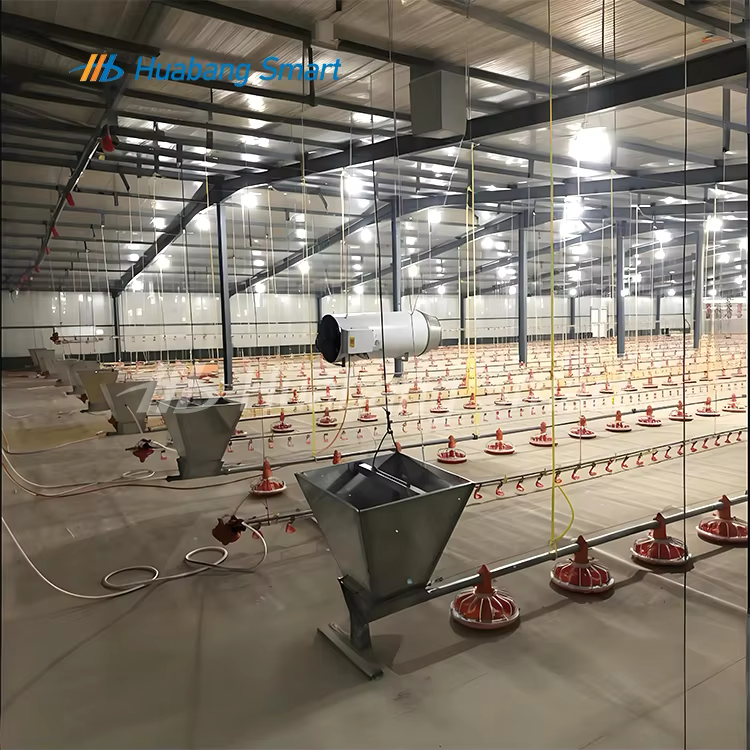
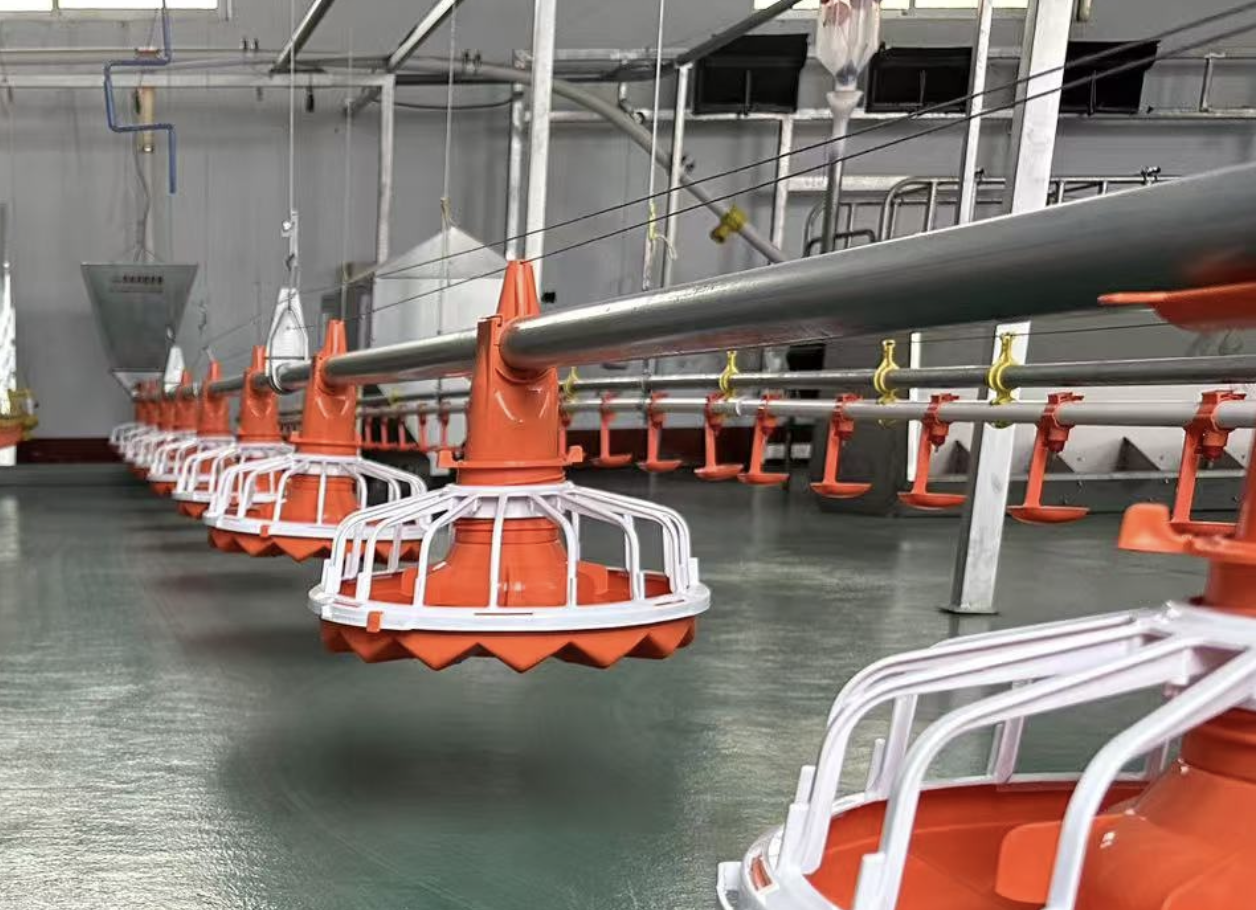
Chicken cage automation refers to the integration of advanced technologies and systems into chicken cage setups to minimize manual intervention and optimize poultry farming operations. This automation encompasses various aspects, including feeding, watering, egg collection (for layer cages), manure removal, and environmental control, all coordinated to ensure efficient and consistent management of the flock. By automating these processes, chicken cage automation reduces labor costs, improves accuracy in feeding and monitoring, and enhances the overall welfare of the poultry. Sensors and control systems are key components, allowing for real-time monitoring of environmental conditions such as temperature, humidity, and air quality, with automatic adjustments made to maintain optimal levels. Automated mechanisms for feeding ensure that each bird receives the right amount of feed at the right time, promoting uniform growth and reducing feed waste. Manure removal systems in automated chicken cage setups operate on schedules, keeping the cages clean and hygienic. Chicken cage automation also facilitates data collection and analysis, enabling farmers to track flock performance, identify trends, and make informed decisions to improve productivity. The implementation of chicken cage automation leads to more efficient use of resources, better disease control, and higher profitability, making it a vital advancement in modern poultry farming.

common problem

How does chicken cage automation improve poultry farming efficiency?

Automation in chicken cages minimizes labor since it helps to provide food, water and collect eggs without much human intervetion. There is also constant attention given to the chickens which results in better quality eggs and healthier birds. It is also possible to manage poultry better.
Automated systems have a high initial cost. There might be some compatibility problems with the pre-existing poultry-farming infrastructure. There might be technical errors as well which will lead to an increased need in maintenance. In addition to all that, the farmers will also need some technical training to learn how to operate this train hassle free automation systems.

Related article

Exploring the Latest Trends in Poultry Farming Technology

11

Mar

Exploring the Latest Trends in Poultry Farming Technology

IoT-Driven Automation in Poultry Farms Smart Chicken Coops and Automated Feeders Putting IoT tech into chicken coops and feeders is changing how poultry farms operate day to day. Farmers who install smart coops find they spend less time on routine c...
View More
How Automatic Feeding Systems Can Save You Time and Money

11

Mar

How Automatic Feeding Systems Can Save You Time and Money

Streamlining Daily Operations with Automatic Poultry Feeding SystemsReducing Manual Labor and Time Investment Poultry farms that switch to automatic feeding systems cut down on manual work quite a bit, freeing up workers to handle other important stu...
View More
Understanding the Importance of Ventilation in Poultry Cages

11

Mar

Understanding the Importance of Ventilation in Poultry Cages

The Science of Ventilation in Poultry Cage Systems Balancing Temperature and Humidity for Optimal Health Getting the temperature and humidity right matters a lot when it comes to keeping poultry healthy. Most birds do well when temps stay around...
View More
How to Optimize Space in Your Poultry Farm with Chicken Cages

11

Mar

How to Optimize Space in Your Poultry Farm with Chicken Cages

Calculating Space Requirements for Efficient Poultry FarmingPer-Bird Space Allocation in Chicken Cages Getting the right amount of space for each bird matters a lot when it comes to keeping chickens comfortable and productive. Most farmers go by arou...
View More

User evaluation of the product

Leona

Automated chicken cages is my milestone in poultry farming. The reduction of labor cost and the improvement on the health of my chickens was due to automated feeders, drinkers, and environmental control. The system is user-friendly and can be modified to fit the needs of the birds. The only setback is the high price of the installation, which is reasonable considering the provided benefits.

Get a Free Quote

Our representative will contact you soon.
Email
Name
Company Name
Message
0/1000
Labor-saving and Time-saving

Labor-saving and Time-saving

Automation on the chicken cages saves a lot of expenses in terms of manual labor and time. Farmers can now focus on more relevant issues on the farm since the workload from manual feeding, watering, and even manure removal is automated.
Improved Chicken Welfare

Improved Chicken Welfare

Chickens are enabled to enjoy healthier growth by reducing stress and improving their welfare through proper environmental and living condition control. Chicken products are of high quality and safe because of these factors.
Data Monitoring and Feedback

Data Monitoring and Feedback

These features include a data monitoring system, which enables the real time monitoring and assessment of the chickens’ growth and health parameters, and feeding this information to the farmers. The farmer has the information required to timely modify breeding strategies mid-cycle to improve the breeding outcome.
onlineONLINE