
 EN
EN
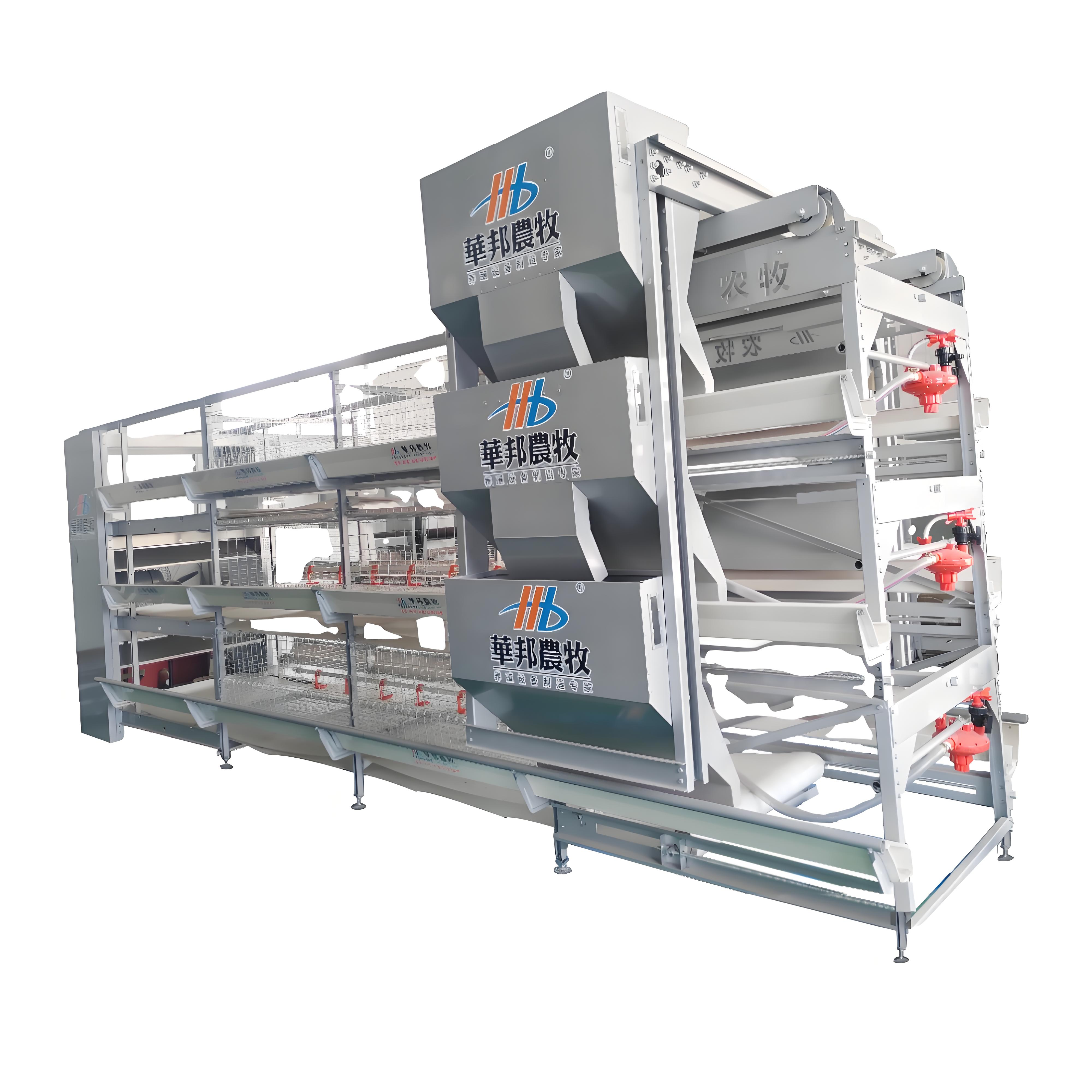
Sådan Revolutionerer Automatiske Fjerkræbure Kerneoperationer på Landbrug
Håndtering af Arbejdskraftmangel og Ændrede Regler for Dyrevelfærd
Fjerkræindustrien verden over kæmper for øjeblikket med to store problemer: at finde nok arbejdskraft og at overholde strengere regler for dyrevelfærd, såsom EU-direktivet fra allerede i 1999. Automatiske fjerkræbure hjælper gårde med at løse disse udfordringer. Disse systemer regulerer temperatur og luftfugtighed uden behov for konstant menneskelig indgriben og er desuden udstyret med indbyggede funktioner, der gør tilsynsinspektioner nemmere. Ifølge nogle nyere undersøgelser fra Poultry Operations Journal sidste år har gårde rapporteret et markant fald i behovet for arbejdskraft – faktisk op til næsten halvdelen. Burene har også særlige designløsninger, som sikrer hvert dyr tilstrækkelig plads, hvilket hjælper med at forhindre slagsmål mellem kyllingerne, da der er mindre overfyldning end i traditionelle opstillingssystemer. For landbrugsledere betyder dette færre papirarbejdsproblemer, når inspektører kommer forbi, og mere tid til at passe dyrene ordentligt i stedet for blot at bruge hele dagen på rutinearbejde.
Integreret automatisering: Fodring, ventilation og affaldshåndtering i ét system
Moderne automatiske kyllingebur kombinerer tre afgørende funktioner i ét enkelt, synkroniseret system:
| Funktion | Automatiseringsfunktion | Ydelsesfordele |
|---|---|---|
| Fodring | Programmerbare doseringsanlæg med rationsovervågning | 99 % foderudnyttelse gennem reduktion af spild |
| Ventilation | Klima-afhængige luftstrømssystemer | Bevarer luftkvaliteten under 10 ppm ammoniakgrænse |
| Affaldsfratagning | Sekventielle transportbåndmekanismer | Daglig fjernelse af gødning reducerer patogenerisici med 73 % |
Sensornetværk koordinerer drift på tværs af funktioner – ventilation øges efter fodring for at håndtere varmeafgivelse, mens gødningstransportbånd aktiveres i perioder med lav aktivitet for at minimere forstyrrelser. Denne helhedsorienterede integration forbedrer både effektivitet og dyrevelfærd samtidigt.
Reel effekt: 37 % reduktion i arbejdsindsats på en thailandsk AgriTech-facilitet med 12.000 fugle
En anlæg med 12.000 høns i Thailand opnåede transformative resultater inden for otte måneder efter overgangen til automatiske kyllingebur:
- 37 % reduktion i daglige arbejdstimer
- 19 % fald i vandforbrug via automatiseret genanvendelse
- 12 point forbedring i dyrevelfærds-overholdelsesscoringer
Arbejdere skiftede fra manuelle opgaver til overvågning af flokksundhedsanalyser, hvilket imødekommer Thailands landbrugsarbejdskraftunderskud på 34 %. Effektivitetsgevinster øgede omsætningen pr. kylling med 0,18 USD og demonstrerede skalbarhed på tværs af regioner med lignende driftsbegrænsninger.
Smart overvågning og miljøkontrol i automatiske kyllingebur
IoT-dreven realtidsovervågning af temperatur, fugtighed og luftkvalitet
Sensorer, der er forbundet til internettet, er nu en del af mange automatiserede kyllingeburssystemer, hvor de holder øje med forhold som temperatur, fugtighedsniveau i luften og den generelle luftkvalitet inde i disse anlæg. De registrerer også farlige ændringer, såsom når ammoniak ophobes over sikre grænser eller når temperaturen pludseligt stiger. Disse intelligente systemer gør en stor indsats for at holde alt inden for behagelige intervaller omkring 18 til 22 grader Celsius og cirka 50 til 70 procent luftfugtighed for optimal æglægning. Når noget går ud af det acceptable interval, tændes ventilatorer eller køleanlæg næsten med det samme efter at have registreret disse problemer. Landmænd kan følge med i alt dette via skærme med realtidsopdateringer på deres computere eller telefoner, hvilket giver dem kontrol over situationen, selvom de fysisk ikke er til stede. Denne type overvågning gør faktisk foderprocessen meget mere effektiv og sparer landbrug penge, da det reducerer spild af ressourcer. Nogle undersøgelser viser, at foderomsætningsrater forbedres med cirka 15 procent, når disse automatiserede systemer anvendes i stedet for kun at stole på manuelle kontrolmetoder.
Automatiserede advarselssystemer, der reducerer dødelighed med op til 22%
Sensorer registrerer potentielle farer som stigende kuldioxidniveauer eller problemer med vandforsyningen og sender derefter advarsler gennem flere kanaler for at informere landbrugsledere om, at der er noget galt. Samtidig aktiveres sikkerhedssystemer automatisk. Landmænd har i praksis set dødelighedsraten falde mellem 19 og 22 procent, fordi disse sikkerhedsforanstaltninger giver dem mulighed for hurtigt at reagere ved hedebølger eller hvis udstyr går i stykker. Machine learning-komponenten hjælper med at finjustere følsomheden af advarslerne ud fra tidligere erfaringer, hvilket reducerer unødige advarsler og forbedrer evnen til at opdage åndedrætsproblemer på et tidligt tidspunkt. Ved at forudse problemer i stedet for først at reagere, når de er opstået, kan landbrug beskytte deres fjerkræbestand meget mere effektivt. Og ifølge brancherapporter øger denne fremadskuende tilgang faktisk også profitmarginerne, hvor nogle driftsenheder rapporterer omkring 11 procent højere fortjeneste alene ved at undgå uventede tab.
Robottet inspektion og sundhedsovervågning i bur
Autonome sporerobotter med termisk og multispektral billeddannelse
Robotter monteret på overhængende sporer er udstyret med termiske og multispektrale kameraer, der overvåger fuglenes sundhed gennem hele burene, uden faktisk at røre noget. Den termiske teknologi registrerer unormale temperaturændringer, der kan signalere begyndende infektioner, og analysering af udskillelser mht. farve og struktur hjælper med at opdage fordøjelsesproblemer såsom kokcidiose. Disse maskiner kører hele dagen igennem over gulve lavet af gennemsigtige materialer, så de kan indsamle mange oplysninger uden at skræmme fuglene. Når noget ser unormalt ud, modtager landmænd øjeblikkelige notifikationer direkte på deres telefoner, hvilket giver dem mulighed for hurtigt at gribe ind, hvor det er nødvendigt. Dette reducerer spredningen af sygdomme og eliminerer behovet for manuelle, stressende undersøgelser, hvilket er bedre for alle involverede.
Præcisionshusdyrbrug: Dataintegration til mere intelligent styring
Fra sensorer til strategi: Forenede dashboards med ERP og fodersystemer
Moderne kyllingeburssystemer samler oplysninger fra forskellige kilder, herunder IoT-sensorer, software til planlægning af virksomhedsressourcer og automatiserede foderanlæg, alt sammen på ét nemt at overskue dashboard. Når landmænd følger med i forhold som mængden af foder, der forbruges, ændringer i fuglenes vægt over tid og endda hvor kyllingerne oftest bevæger sig rundt, kan de planlægge ernæringen bedre. Denne tilgang reducerer typisk spildt foder med mellem 10 % og måske helt op til 20 %, samtidig med at det sikres, at fuglene vokser ensartet gennem hele flokken. Systemet har også smarte funktioner, der advarer, når noget muligvis skal repareres, inden det går helt i stykker, især vigtige dele som luftcirkulationssystemer eller transportbånd, der anvendes til at samle æg. Mest vigtigt har producenter nu mulighed for at justere faktorer såsom belysningsplaner igennem dagen eller hvor mange fugle, der holdes i hver sektion, baseret på de data, de får vist. I stedet for blot at gætte på, hvad der virker bedst, træffer de nu informerede valg, der til sidst resulterer i sundere flokke og højere produktionsniveauer i alt.
Maskinsyn til optimering af æggekvalitet og udbytte
AI-dreven registrering af revner og forurening med 98,4 % nøjagtighed
Systemer til maskinsyn, der nu anvendes i ægproduktion, kombinerer højopløselig billeddannelse med algoritmer baseret på dyb læring for at undersøge æg, mens de bevæger sig ud fra transportbåndet. Disse intelligente systemer kan med imponerende nøjagtighed – omkring 98,4 % – registrere mikroskopiske revner, blodpletter og endda små mængder afføring på skallerne, hvilket er langt bedre end det, menneskelige inspektører typisk klarer. Når systemet opdager noget galt, dirigeres de defekte æg ned ad en separat bane, så de ikke ender i den gode portion. Dette hjælper med at reducere spild med cirka 18 % og sikrer, at kunder kun får æg af allerhøjeste kvalitet pakket til salg. En anden smart funktion er, at disse systemer overvåger ægproduktionen fra hver enkelt bur over tid. Landmænd kan derefter justere foderets sammensætning eller ændre belysningsforholdene ud fra faktiske ydelsesdata i stedet for gætværk, hvorved de sikrer, at deres flok producerer med maksimal effektivitet måned efter måned.
Ofte stillede spørgsmål (FAQ)
Hvad er automatiske kyllingebur?
Automatiske kyllingebur er systemer, der er designet til at huse fjerkræ, mens de automatiserer væsentlige funktioner som foderlevering, ventilation og affaldshåndtering for at øge effektiviteten og dyrevelfærden.
Hvordan løser automatiske kyllingebur problemer med mangel på arbejdskraft?
Disse bur automatiserer rutineopgaver og reducerer dermed behovet for manuel arbejdskraft markant. Undersøgelser viser en reduktion i arbejdsbehov på næsten 50 % ved anvendelse af disse systemer.
Hvad er fordelene ved integreret automation i kyllingebur?
Integrerede systemer i kyllingebur kombinerer foderlevering, ventilation og fjernelse af affald i ét samlet system, hvilket forbedrer fodereffektiviteten, sikrer god luftkvalitet og nedsætter risikoen for patogener.
Hvordan fungerer automatiske advarselssystemer i kyllingebur?
Automatiske advarselssystemer bruger sensorer til at registrere potentielle farer såsom stigninger i kuldioxidniveau eller vandforsyningsproblemer, sender alarmmeddelelser i realtid og aktiverer nødsystemer for at mindske risici.
Indholdsfortegnelse
- Sådan Revolutionerer Automatiske Fjerkræbure Kerneoperationer på Landbrug
- Smart overvågning og miljøkontrol i automatiske kyllingebur
- Robottet inspektion og sundhedsovervågning i bur
- Præcisionshusdyrbrug: Dataintegration til mere intelligent styring
- Maskinsyn til optimering af æggekvalitet og udbytte
- Ofte stillede spørgsmål (FAQ)