
 EN
EN
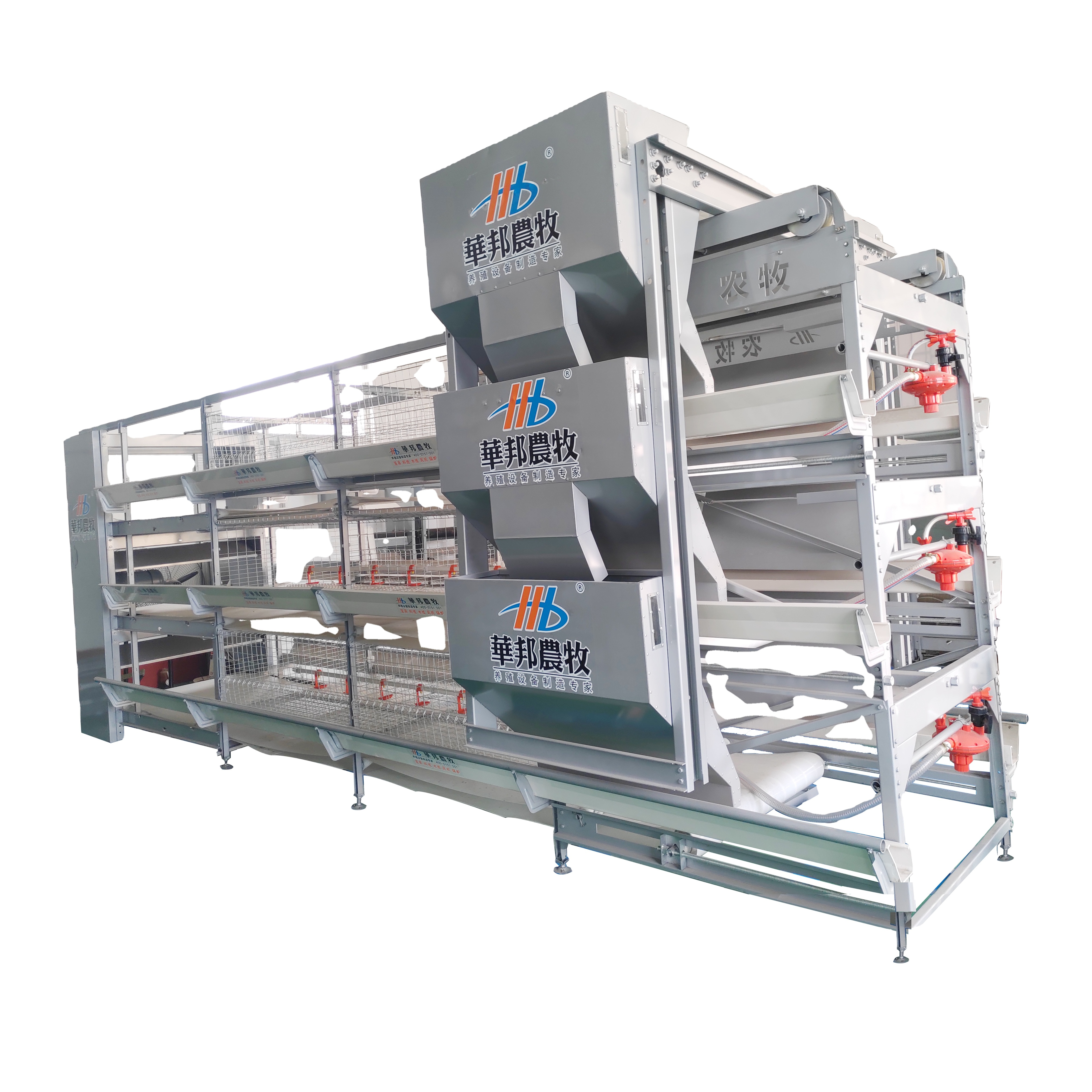
Använd fempelarsramverket för att optimera layouten av kycklingkojan
Zonindelning: Separera områden för vila, utfodring, läggning och dammbad för att minska stress och sjukdomar
En välindelad kycklingkoja speglar naturligt flockbeteende och habitatstruktur. Genom att medvetet separera zoner för vila, utfodring, läggning och dammbad minskar du konkurrensen, minimerar gödselkontaminering av foder och ägg samt sänker risken för sjukdomsspridning. Placera utfodringsanordningar bort från sovstänger och läggningsområden för att förhindra kontaminering med avföring – studier av USDA:s tjänst för djur- och växt hälsainspektion (APHIS) bekräftar att detta avsevärt minskar exponeringen för salmonella. Placera läggningslådor i ett tyst, mörkt hörn för att uppmuntra regelbunden äggproduktion och avråda från ätande av ägg; forskning från University of California Cooperative Extension visar att höns föredrar mörka, avslutade utrymmen för äggläggning. Dammbadsområden bör vara torra, väl dränerade och väl ventilerade – idealiskt för parasitkontroll och fjäderhälsa. Denna medvetna rumsliga separation minskar direkt kronisk stress, vilket stödjer en starkare immunfunktion och en beständig äggproduktion.
Flöde: Designa intuitiva rörelsevägar för höns och vårdpersonal för att förbättra daglig effektivitet
Höns rör sig förutsägbara längs vanliga rutter, så designa deras cirkulationsvägar så att de är raka, obegränsade och minst 45 cm breda. Åtkomst för vårdpersonal måste lika väl beaktas: justera dörrar så att de är i linje med läggkassarnas placering, placera vatten- och foderledningar längs de främsta trafikkorridorerna och undvik skarpa svängar eller trånga trösklar. En genomtänkt layout minskar rutinuppgifter – inklusive utfodring, ägginsamling och kontroll av strömaterial – med upp till 40 %, enligt data från Poultry Science Associations undersökning om inhägnadseffektivitet från 2022. Smidigt flöde minskar också energiförbrukningen hos fåglarna, vilket sänker värmebelastning och utlöser mindre aggressivt beteende. När höns inte trycks ihop eller stannar vid flaskhalsar stabiliseras flockens hierarki, vilket bidrar till bättre viktökning, bättre äggskalskvalitet och ökad allmän motståndskraft.
Säkerhet, skalbarhet och underhållseffektivitet: Hur integrerad design förhindrar förföljelse, stödjer flockens tillväxt och minskar rengöringstiden
Säkerhet, skalbarhet och underhållseffektivitet är beroende pelare – inte eftertankor. Integrera rovdjursäkring från dag ett: använd 6 mm masknät (inte hönsnät) på alla ventiler, fönster och golvkant, enligt riktlinjerna för backyard-fågelhållning från National Wildlife Federation. Bygg med modulära avdelningar – till exempel avtagbara plywoodpaneler eller justerbara skenorsystem – som möjliggör sömlös utbyggnad när din flock växer. För underhållet ska passiv effektivitet prioriteras: installera lutande betong- eller gummerat golv som leder bort fukt mot avloppsöppningar, kombinera detta med utdragningsbara avfallsfack och använd breda dörrar som öppnas utåt för fullt verktygsutrymme. Jordbrukare som använder detta integrerade tillvägagångssätt rapporterar att de har minskat det dagliga underhållet från 30 minuter till under 15 – samtidigt som de minskar rävattacker, gnagares intrång och andningsbesvär kopplade till dålig luftcirkulation. Resultatet är ett hållbart och anpassningsbart system som betalar sig självt genom arbetsbesparingar och ökad flockens livslängd.
Beräkna exakta utrymmeskrav för ditt kycklinghus
Utrymme inomhus anpassat efter ras och klimat: Varför regeln om 4 kvadratfot per fågel är föråldrad – och vad du ska använda istället
Den länge gällande regeln om ”4 kvadratfot per fågel” är föråldrad – den tar inte hänsyn till rasens fysiologi, miljöpåverkan eller moderna välfärdsstandarder. American Pastured Poultry Producers Association (APPPA) och Cornell Universitys Waste Management Institute rekommenderar nu differentierade utrymmeskrav inomhus: tunga raser som Orpingtons och Brahmas kräver 6–8 kvadratfot , dual-purpose-fåglar (t.ex. Plymouth Rocks) behöver 5–6 kvadratfot och lättare lagghöns som Leghorns trivs med 4–5 kvadratfot – men endast om ventilationen och hanteringen av strömaterial är optimal. I varma klimat lägg till +1 kvadratfot per fågel för att stödja luftcirkulation och termisk reglering; i kalla, fuktiga regioner allokeras +1–2 kvadratfot för att minska ackumulering av ammoniak och andningsproblem relaterade till kondens. Utför alltid beräkningar utifrån den fullvuxna vuxnas storlek – inte hönsens vikt som ungar – eftersom överbeläggning under perioden med högst äggläggning är den vanligaste orsaken till fjäderpickning, ventprolaps och immunosuppression.
Utomhusutrymme: Balansera behovet av naturligt sökande efter föda med skydd mot rovdjur och markhälsa
Utomhusutrymme är obligatoriskt för beteendemässig uttrycksmöjlighet, tarmhälsa och parasitkontroll. Allokera 8–10 kvadratfot per fågel i utomhusutrymmet för att förhindra marksammandragning, överbetning och uppkomst av patogener – bekräftat genom fältstudier publicerade i Poultry Science (2021), som länkade för små utrymmen med ökade kokkidier oocystbelastningar. Galler av metallnät begravt 30 cm djupt och beläggt över hela utrymmets yta hindrar rovdjur från att gräva sig in, samtidigt som UV-desinficering och regninträngning tillåts. För att bibehålla markens livskraft bör utrymmena roteras säsongvis eller så kan man använda djupströmetod (deep-litter) för kompostering inom fasta inhägnader – båda metoderna bibehåller mikrobiell balans och minskar maskbelastningen utan kemisk intervention. flockar med tillräckligt stora, väl skötta utrymmen visar mätbart lägre aggressivitet, större mångfald i sökande beteende och längre produktiva livslängder jämfört med flockar som hålls i statiska, för små utrymmen.
Integrera rovdjursäkring och människocentrerade funktioner i kycklingkojanens layout
Placering av bon: Fördelar och nackdelar med interna respektive externa bon för äggkvalitet, säkerhet och tillgänglighet
Placeringen av läggnästen balanserar hönsens välbefinnande, äggens integritet och människors ergonomi. Inre nästen erbjuder bättre temperaturstabilitet och skydd mot väderförhållanden, men kräver att man går in i hönskojan för att hämta äggen – vilket potentiellt kan störa hönsen och utlösa stressrelaterad kläcklust eller minskad läggning. Nästen med externt tillfälle (monterade genom väggen med en dörr utåt) eliminerar störningar inuti kojan och förbättrar biosäkerheten, men kräver noggrann konstruktion: använd galvaniserade metalllås, isolera väggarna bakom nästet och lutning på taket för att hindra höns från att sitta där och för att undvika att regn samlas upp. Oavsett typ ska man följa evidensbaserade bästa praxis: tillhandahålla ett näste per fyra höns , montera dem 30–45 cm över golvet , linje med hampa- eller tallspån (undvik ceder, som irriterar fåglars andningsvägar), och rikta ingångarna bort från direkta drag eller ljuskällor. Enligt University of Maine Cooperative Extension ger korrekt placerade och underhållna lådor konsekvent renare ägg med starkare skal och färre sprickor eller felaktiga former.
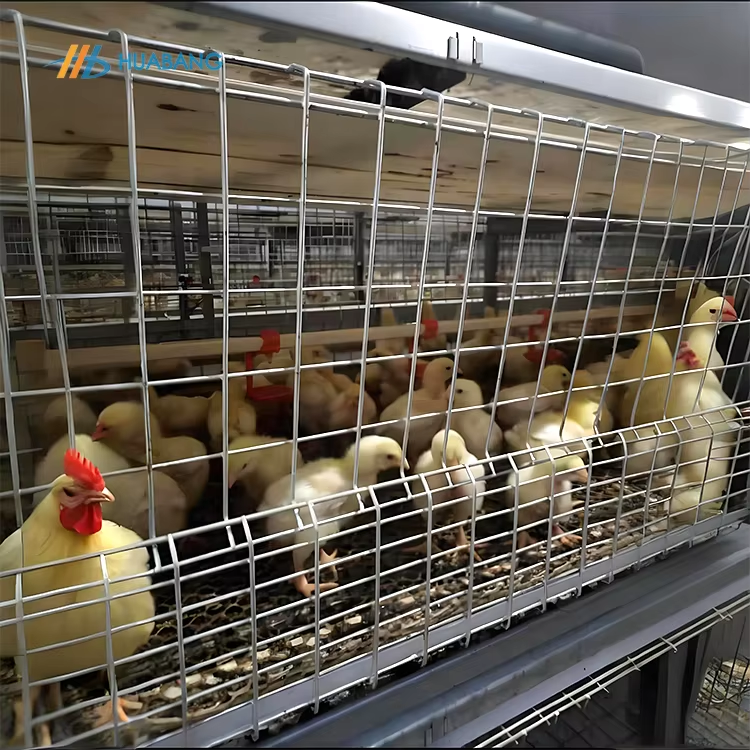
Utformning av ventilationssystem: Placera insug och avgas så att ammoniak elimineras utan drag eller värmeavgång
Effektiv ventilation tar bort fukt, ammoniak och luftburna patogener – utan att kyla ner fåglarna eller slösa bort värme. Använd stackeffekten: installera lågprofila intagsventiler täckta med metallnät nära golvet (där ammoniak koncentrerar sig) och höga avgasventiler nära åsen eller takets högsta punkt. Detta skapar en passiv, kontinuerlig luftutbyte som drar in frisk luft uppåt och ut – utan fläktar. Undvik att placera intagsventiler nära läggkassar eller perchor för att förhindra lokal kylning av ägg eller vilande fåglar. Justerbarhet är avgörande: använd gångjärns- eller skjutbara lock för att reglera luftflödet under vinterstormar samtidigt som ett minimum av luftutbyte bibehålls – sträva efter minst 1 kvadratfot nettoventilationsyta per 10 fjäderfä , enligt riktlinjer från American Veterinary Medical Association (AVMA). Korrekt balanserad ventilation håller ströbädden torr, hämmar E. coli och Aspergillus tillväxt och minskar rengöringsfrekvensen med upp till 30 %, enligt försök utförda av USDA ARS på 12 regionala flockar.
Vanliga frågor
Varför är zonindelning viktig i ett kycklinghus?
Zonering hjälper till att minska konkurrensen, förhindra gödselkontaminering, sänka sjukdomsrisken och minimera stress bland höns, vilket leder till bättre hälsa och äggproduktion.
Hur mycket utrymme behöver höns inomhus per fågel?
Utrymmeskraven varierar beroende på ras och klimat. Vanligtvis behöver tunga raser 0,56–0,74 m², dubbeländamålsfåglar kräver 0,46–0,56 m² och lättare lagghöns trivs på 0,37–0,46 m², med extra utrymme i varma eller kalla klimat.
Hur mycket utomhusutrymme krävs för höns?
Utomhusgårdar bör erbjuda 0,74–0,93 m² per fågel för att undvika jordförpackning, överbetning och ackumulering av patogener, samtidigt som de stödjer naturlig sökning efter föda och tarhälsa.
Hur skyddar man ett hönsstall mot rovdjur?
Använd metallnät med 6 mm maskstorlek på alla ventiler, fönster och golvkanter, och begrav det 30 cm djupt runt gårdarna för att förhindra att rovdjur gräver sig under.
Vad är det bästa sättet att ventilera ett hönsstall?
Använd stackeffekten med lågprofila intagsventiler nära golvet och höga avgasventiler nära takåsen för att säkerställa en kontinuerlig luftutbyte utan drag eller värmeavgång.
Innehållsförteckning
-
Använd fempelarsramverket för att optimera layouten av kycklingkojan
- Zonindelning: Separera områden för vila, utfodring, läggning och dammbad för att minska stress och sjukdomar
- Flöde: Designa intuitiva rörelsevägar för höns och vårdpersonal för att förbättra daglig effektivitet
- Säkerhet, skalbarhet och underhållseffektivitet: Hur integrerad design förhindrar förföljelse, stödjer flockens tillväxt och minskar rengöringstiden
- Beräkna exakta utrymmeskrav för ditt kycklinghus
- Integrera rovdjursäkring och människocentrerade funktioner i kycklingkojanens layout
- Vanliga frågor