
 EN
EN
How Poultry Cage Design Influences Farming Efficiency
Advanced poultry cage structures and their role in improving farm efficiency
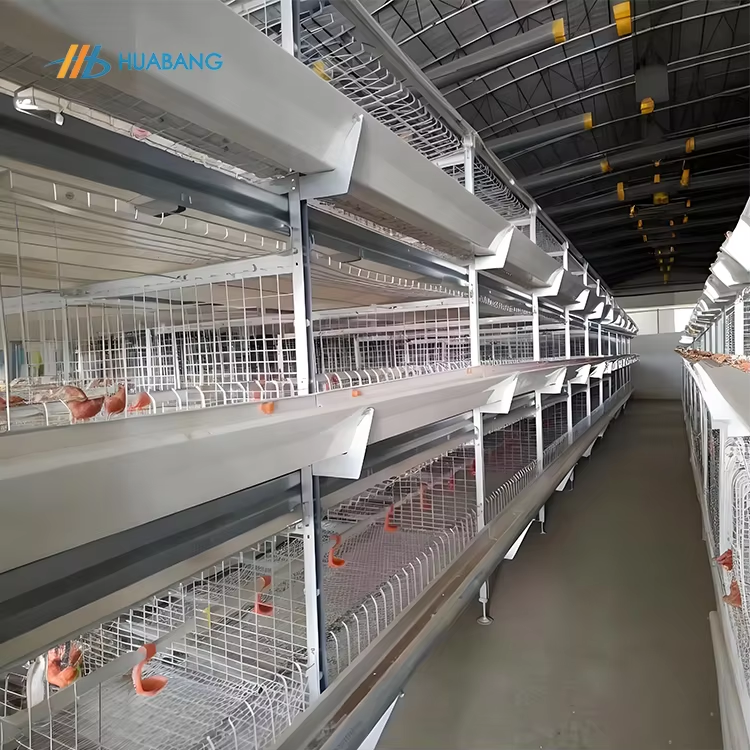
Today's poultry cage systems have adopted vertical stacking designs that boost flock capacity anywhere from 40 to 60 percent without needing more space in the barns themselves. The new setups can actually house around 18 to 22 birds per square meter while still keeping up with animal welfare regulations, which is quite an improvement over older methods that managed only 12 to 15 birds per square meter. Many modern facilities now rely on galvanized steel frames for their cages, something that makes the whole structure much sturdier. This extra strength cuts down on collapses and injuries among birds too, with some studies showing a reduction of about 19% in these incidents based on recent USDA data from early 2023.
Ergonomic spacing, ventilation, and bird welfare in high-quality poultry cages
Getting the right setup in poultry cages matters a lot. Each bird needs around 450 to 600 square centimeters of space plus at least 15-20 cm at the feeders to avoid fighting over food and nutrients. Good airflow systems keep ammonia levels under control, ideally staying below 10 parts per million which is considered safe for birds' lungs. According to recent studies from Poultry Health Quarterly in 2022, farms that follow these guidelines see about 27 percent fewer visits from vets. Better air circulation reduces stress on the animals, which means their immune systems stay stronger overall.
Data insight: Farms using optimized poultry cages report 30% higher productivity
A three-year industry study (2021–2023) across 142 commercial farms revealed:
| Metric | Traditional Cages | Modern Systems | Improvement |
|---|---|---|---|
| Eggs per hen annually | 286 | 372 | +30% |
| Mortality rate | 8.2% | 5.7% | -30.5% |
| Feed conversion ratio | 2.4 | 2.1 | +12.5% |
These improvements stem from automated environmental controls and compartmentalized designs that limit disease transmission.
Comparative analysis: Traditional vs. modern poultry cage systems
Traditional battery cages give each bird around 350 to 400 square centimeters of space, whereas the newer enriched colony systems actually provide birds with 550 to 750 square centimeters. The latest cage designs come with several improvements worth noting. For instance, they feature sloped floors that make egg collection automatic, which saves approximately 15 labor hours every week when managing 10,000 hens. There are also separate nesting areas built into these systems, cutting down broken eggs to under 2%. Another key benefit is the central manure belt system that significantly reduces ammonia levels by about two thirds according to research published in Poultry Science last year. Most poultry operations find that switching to these improved systems pays off pretty quickly too, usually seeing their investment back within just over a year thanks to better productivity rates and reduced staffing requirements.
Durable Materials and Long-Term Cost Savings in Poultry Cage Construction
Galvanized Steel and Anti-Corrosion Coatings for Extended Poultry Cage Lifespan
Steel cages that have been galvanized typically last between 8 to 12 years, which is quite a bit better than the standard 3 to 5 year lifespan seen with regular untreated cages according to recent industry reports from 2023. The process called hot dip galvanization creates a protective layer of zinc that stands up well against ammonia damage coming from bird waste. Powder coating adds another layer of defense against moisture buildup too. Field tests on these galvanized steel cages show something pretty impressive actually - structures built with corrosion resistant materials fail about two thirds less often in those damp barn conditions where humidity levels run high all day long.
Reduced Maintenance and Replacement Costs With High-Quality Materials
Farms using galvanized cages experience 90% fewer weld fractures and 75% less wire mesh deformation than those with conventional models. This durability leads to 40% lower lifetime ownership costs over a decade, according to the 2023 Agricultural Economics Review. Operators often reinvest savings into automation or climate control upgrades.
Case Study: 40% Reduction in Cage Replacement Costs Over Three Years
| Metric | Traditional Cages | Modern Galvanized Cages |
|---|---|---|
| Annual repairs | $18,000 | $4,200 |
| Replacement frequency | 3.5 years | 8+ years |
| Labor hours/year | 220 | 85 |
A Midwest egg producer achieved these outcomes after upgrading housing for 50,000 birds. The $290,000 initial investment in galvanized systems was recouped in 2.3 years through reduced maintenance and consistent production output.
Automation and Smart Technology Integration in Poultry Cage Systems
Modern poultry cage systems now integrate automation and smart technologies to improve operational precision and efficiency. These tools enable data-driven management and real-time responsiveness across large-scale operations.
Automated Feeding and Waste Management in Modern Poultry Cages
Automated feeders dispense precise rations, cutting feed waste by up to 15%. Integrated waste removal systems maintain hygiene and reduce disease risk. A 2023 industry analysis found farms using these systems lowered labor costs by 22% while achieving more consistent yields.
Sensor-Enabled Monitoring for Real-Time Flock Health Tracking
Embedded sensors continuously monitor temperature, humidity, and bird activity. This data helps detect early signs of illness, contributing to a 19% reduction in mortality rates. Farmers receive instant alerts, allowing timely intervention for respiratory or nutritional issues before they escalate.
IoT-Connected Poultry Cage Networks: A Growing Trend in Commercial Farming
Centralized IoT platforms connect multiple cages, enabling remote adjustments via mobile devices. According to a 2024 agricultural technology survey, 67% of large-scale farms now use cloud-based management systems to coordinate ventilation and lighting across facilities, ensuring uniform conditions and peak performance.
Phased Automation Strategies for Small to Mid-Sized Poultry Farms
Modular automation packages allow incremental upgrades, making advanced systems accessible to smaller operations. Starter kits focused on feeding automation deliver 35% faster ROI than full implementations. Regional trials show mid-sized farms reach breakeven on automation investments within 18 months.
Maximizing Space Utilization Without Compromising Welfare
Optimal Bird Density and Animal Welfare in High-Efficiency Poultry Cages
Modern cage systems achieve 14–18% higher space efficiency than traditional models while maintaining animal welfare. Research indicates that 450–600 cm² per bird supports optimal productivity without triggering stress markers like elevated corticosterone (Poultry Science 2023). Innovative features such as tapered perches and dedicated nesting zones reduce aggression by 22% in laying flocks.
Vertical Stacking Designs That Increase Capacity Without Expanding Footprint
Multi-tiered configurations enable farms to house 130% more birds within existing buildings. A 2024 USDA report found that farms implementing vertical space optimization reduced land use by 1.2 acres per 10,000 birds while maintaining air quality. Key innovations include:
- Slope-controlled manure belts (15° angle optimal for automated removal)
- Retractable feed trays that minimize horizontal space usage
- Stacked ventilation ducts with 360° airflow distribution
Balancing Efficiency and Ethics: Addressing Concerns in High-Density Poultry Housing
Third-party audits show that farms adhering to EU Directive 1999/74/EC space requirements and incorporating behavioral enrichment tools achieve 91% compliance in animal welfare certifications. Solutions like transparent partition walls allow natural light penetration (minimum 70 lux) while preventing feather pecking—effectively aligning ethical standards with operational efficiency.
FAQ Section
Why is vertical stacking in poultry cages beneficial?
Vertical stacking designs enhance flock capacity by 40 to 60 percent without requiring additional barn space, enabling better utilization of existing facilities.
What are the advantages of galvanized steel in poultry cages?
Galvanized steel structures offer a lifespan of 8 to 12 years, significantly outlasting untreated cages. They provide additional protection against ammonia and moisture damage.
How do modern poultry cages impact animal welfare?
Modern cages with ergonomic spacing and efficient ventilation reduce stress and improve health, diminishing veterinary interventions by 27 percent and mortality rates by 30 percent.
What role does automation play in poultry cage systems?
Automation reduces labor costs by efficiently managing feeding and waste, thereby improving overall yields and allowing real-time health monitoring through embedded sensors.
How quickly can poultry farms see returns on investing in improved cages?
Investments in modern cage systems generally pay off within one to two years due to enhanced productivity, reduced maintenance, and lower operational costs.
Table of Contents
-
How Poultry Cage Design Influences Farming Efficiency
- Advanced poultry cage structures and their role in improving farm efficiency
- Ergonomic spacing, ventilation, and bird welfare in high-quality poultry cages
- Data insight: Farms using optimized poultry cages report 30% higher productivity
- Comparative analysis: Traditional vs. modern poultry cage systems
- Durable Materials and Long-Term Cost Savings in Poultry Cage Construction
- Automation and Smart Technology Integration in Poultry Cage Systems
- Maximizing Space Utilization Without Compromising Welfare
- FAQ Section