
 EN
EN
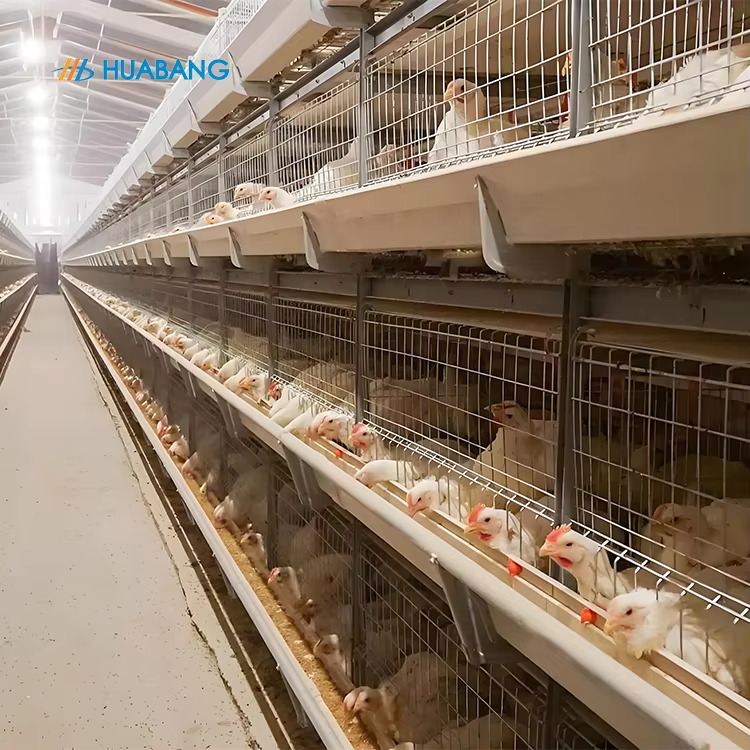
Space Allocation and Stocking Density Best Practices
Broiler chicken cage systems require 7.5 to 9 sq ft per bird to meet animal welfare standards while maximizing growth rates. Overstocking beyond 11 lb/ft² increases stress-induced mortality by 17% (Poultry Science 2023) and reduces feed conversion efficiency. Key recommendations include:
- 0.75 to 1 sq ft/bird for starter cages (Day 1 to 14)
- Progressive expansion to 1.2 to 1.5 sq ft/bird by harvest
- Less than 18 birds per linear meter of feeder space
Cage tiers should maintain 18 to 22 inches vertical spacing to prevent ammonia stratification.
Flooring, Bedding, and Litter Management for Hygiene and Comfort
Slatted flooring in modern broiler chicken cages reduces pododermatitis cases by 34% compared to solid floors. Bedding depth analysis of 9 commercial farms shows:
| Material | Moisture Retention | pH Stability | Cost/ft² |
|---|---|---|---|
| Rice hulls | 22% | 6.8 to 7.1 | $0.11 |
| Pine shavings | 18% | 6.2 to 6.5 | $0.15 |
Rotate bedding every 3 to 4 days using a 15% moisture threshold to prevent coccidiosis outbreaks.
Integrated Waste Management in Automated Broiler Chicken Cages
The automated belt system takes care of around 92% of the manure produced each day, getting it cleaned up within just 20 minutes after it lands on the floor. This helps bring down ammonia levels below 10 ppm, which meets OSHA standards for safety. According to a study from UC Davis back in 2022, when they combined real-time ammonia sensors with cross ventilation fans and methods that compact the manure to dry it out, farms saw their labor costs drop by about $3.20 per ton of waste handled. Plus, they ended up making marketable fertilizer pellets from what was left. Farmers need to replace these belts roughly every 35 to 42 days, right around when flocks rotate through different areas. Waiting too long between replacements can lead to problems with microbial buildup forming on the belts over time.
Advanced Ventilation and Climate Control in Broiler Chicken Cage Farms
Temperature and Airflow Management for Respiratory Health
Keeping temperatures around 75 to 85 degrees Fahrenheit (about 24 to 29 Celsius) in broiler chicken cages helps avoid problems with heat stress and breathing issues in the flock. When airflow isn't properly controlled, ammonia levels can jump by nearly a quarter according to research from Poultry Science back in 2022, which raises concerns about fungal infections and other lung problems. Good cross ventilation setups that manage about two to three air changes each hour work best at getting rid of extra heat and moisture without blowing cold air directly onto the chickens. Combining forced air heating with proper exhaust fan placement creates more even temperature areas throughout the house, helping all the birds grow at similar rates even when they're packed closely together in multiple tiers of cages.
Humidity Regulation in High-Density Broiler Chicken Cage Operations
When humidity gets above 70%, it creates a breeding ground for all sorts of pathogens that can really mess with bird health. On the flip side, if things get too dry down below 50%, the flock starts losing moisture from their bodies which isn't good either. Modern smart climate systems tackle this problem by adjusting humidity levels automatically using things like evaporative cooling pads and misters that kick in when needed. These systems keep the environment stable around that sweet spot between 55% and 65% humidity where birds stay healthy. Some testing done last year showed impressive results too. Poultry farms that installed these IoT controlled humidity systems saw a drop of about 34% in how much respiratory medicine they had to give out in those multi level housing units. The controllers just constantly monitor and tweak the dew point as conditions change throughout the day.
Case Study: Reducing Mortality with Smart Climate Systems
A chicken farm somewhere in the heartland upgraded 12 of its cage houses with environmental sensors last year, and saw a drop in deaths from heat stress during those sweltering summer months - around 18% less than before. What makes this system work so well? It brings in fresh air automatically whenever ammonia levels start climbing, and kicks on those long tunnels for ventilation once temps hit over 86 degrees Fahrenheit. Looking at their records, farmers noticed something interesting too: chickens were eating better overall. Feed conversion rates went up about 12%, probably because the birds weren't wasting energy panting all day trying to stay cool anymore.
Efficient Feeding and Drinking Solutions in Broiler Chicken Cage Setups
Strategic Placement of Feeders and Water Lines
Where we put feeders and water lines makes all the difference when it comes to how efficiently birds convert feed into weight gain and how evenly they grow throughout the flock. Studies indicate that leaving about 1.5 to 2 meters between feeders keeps things from getting too crowded, giving each bird roughly 5 centimeters along the feeding line. Raising feeders so they sit at around breast level helps cut down on wasted feed and works better as the birds grow bigger too; smaller ones need them closer to ground level at about 15 cm, then gradually raise them up to 30 cm as the chickens mature. Putting water lines parallel to feeders within about a meter away mirrors what birds do naturally in the wild, which can boost their water intake by somewhere between 12 and 18 percent according to field tests. Many top equipment makers suggest using gravity-fed pan style feeders inside cages because they let multiple birds eat at once without fighting over spots. These round designs have been shown to reduce injuries caused by aggressive pecking among flocks by almost a quarter in practice.
Automated Feed Delivery and Water Sanitation Protocols
Switching to automated feeding cuts down on labor expenses somewhere between half and three quarters compared to doing everything manually, plus it keeps portions accurate. The programmable auger setups typically drop feed into the pens about four to six times each day, matching when the chickens actually want to eat most. This timing matters a lot if farmers want those birds hitting around 2.5 kilograms at day 35. For water management, closed-loop systems combined with nipple drinkers help stop bacteria from getting into the water supply. When these are flushed once a week with hydrogen peroxide solution, studies show they cut down E. coli problems by roughly forty percent. And nowadays many operations have smart sensors monitoring how much feed gets consumed minute by minute. These devices will send warnings whenever there's a drop off greater than fifteen percent in consumption rates. That kind of warning usually comes before any serious health issues pop up in the flock, so catching these changes early can save a whole batch of birds from respiratory or gut problems.
Biosecurity and Disease Prevention in Broiler Chicken Cage Management
Core Biosecurity Measures to Protect Caged Broiler Flocks
Effective biosecurity starts with strict access protocols for personnel and equipment entering facilities. Mandatory footbaths, dedicated farm clothing, and vehicle disinfection stations reduce cross-contamination risks by 38% compared to uncontrolled access (Poultry Health Journal 2023). Key measures include:
- Zoned workflows separating clean/dirty areas to prevent pathogen spread
- Real-time health monitoring systems to flag abnormal behaviors
- Vaccination programs tailored to regional disease prevalence
Sanitation Routines Between Flock Cycles
Thorough facility decontamination during downtime eliminates 99.9% of residual pathogens. A 5-phase cleaning process optimizes results:
| Phase | Activity | Time Required |
|---|---|---|
| 1 | Dry manure removal | 12 to 24 hrs |
| 2 | Pressure washing (60°C water) | 8 to 10 hrs |
| 3 | Disinfection (QAC-based solutions) | 4 to 6 hrs |
| 4 | Equipment maintenance checks | 2 to 3 hrs |
| 5 | Fumigation & 7-day drying | 168+ hrs |
Open-Sided vs. Closed-Environment Systems: Pros, Cons, and Risks
Barns that are open on the sides tend to cost less when first built, but this comes at a price. These structures let wild birds in and expose poultry to airborne illnesses. On the flip side, closed systems keep temperatures stable around 1 degree Celsius, give or take, and they manage to catch about 95 percent of dust particles floating around. According to research from Avian Environmental Research last year, this actually cuts down on bird respiratory problems by roughly a quarter. The downside? These enclosed spaces need way more energy to run, about three times what traditional barns do, plus there's always the need for extra power sources just in case something goes wrong. That's why many operations are turning to hybrid setups these days. These barns have automatic curtains that open and close based on conditions outside, striking a balance between keeping things ventilated properly while still watching the bottom line on expenses.
Real-Time Health Monitoring and Technological Trends in Broiler Chicken Cages
Daily Health Checks and Early Disease Detection Strategies
Implementing twice-daily inspections reduces undetected illnesses by 34% (USDA 2023). Key indicators like feed consumption patterns, vocalization changes, and flock mobility should drive biosecurity responses. The 2024 SMART Broiler initiative demonstrated that gait-analysis sensors lowered early-stage leg disorders by 28% in high-density operations.
Common Diseases and Vaccination Protocols in Cage Systems
Respiratory infections account for 47% of caged broiler health issues, necessitating strict Newcastle Disease and Infectious Bronchitis vaccination schedules. Proactive water-line sanitation coupled with automated vaccine delivery systems has shown 92% effectiveness in disease prevention (Poultry Health Quarterly 2023).
IoT Integration for Continuous Flock Health Tracking
Modern broiler chicken cage setups using infrared thermography and RFID tags achieve 99.7% real-time health data accuracy. A 2024 Guangxi IoT study found IoT-equipped systems reduced heat-stress mortality by 18% through automated climate adjustments. Key metrics tracked:
- Microclimate fluctuations (±0.3°C precision)
- Water intake anomalies (detected within 15 minutes)
- Airborne pathogen alerts (24/7 particulate monitoring)
FAQ Section
What is the recommended space allocation for broiler chickens?
Broiler chicken cage systems should allocate 7.5 to 9 square feet per bird to ensure optimal welfare and growth rates.
How does ventilation affect broiler chicken health?
Proper ventilation helps maintain respiratory health by preventing high ammonia levels and ensuring suitable air circulation.
What are the benefits of automated feeding systems?
Automated feeding systems reduce labor costs and increase feeding accuracy, promoting better growth rates among chickens.
Why is biosecurity important in broiler chicken management?
Biosecurity helps prevent diseases by controlling access and maintaining strict hygiene protocols, thus protecting the flock's health.
Table of Contents
- Space Allocation and Stocking Density Best Practices
- Flooring, Bedding, and Litter Management for Hygiene and Comfort
- Integrated Waste Management in Automated Broiler Chicken Cages
- Advanced Ventilation and Climate Control in Broiler Chicken Cage Farms
- Efficient Feeding and Drinking Solutions in Broiler Chicken Cage Setups
- Biosecurity and Disease Prevention in Broiler Chicken Cage Management
- Real-Time Health Monitoring and Technological Trends in Broiler Chicken Cages
- FAQ Section