
 EN
EN
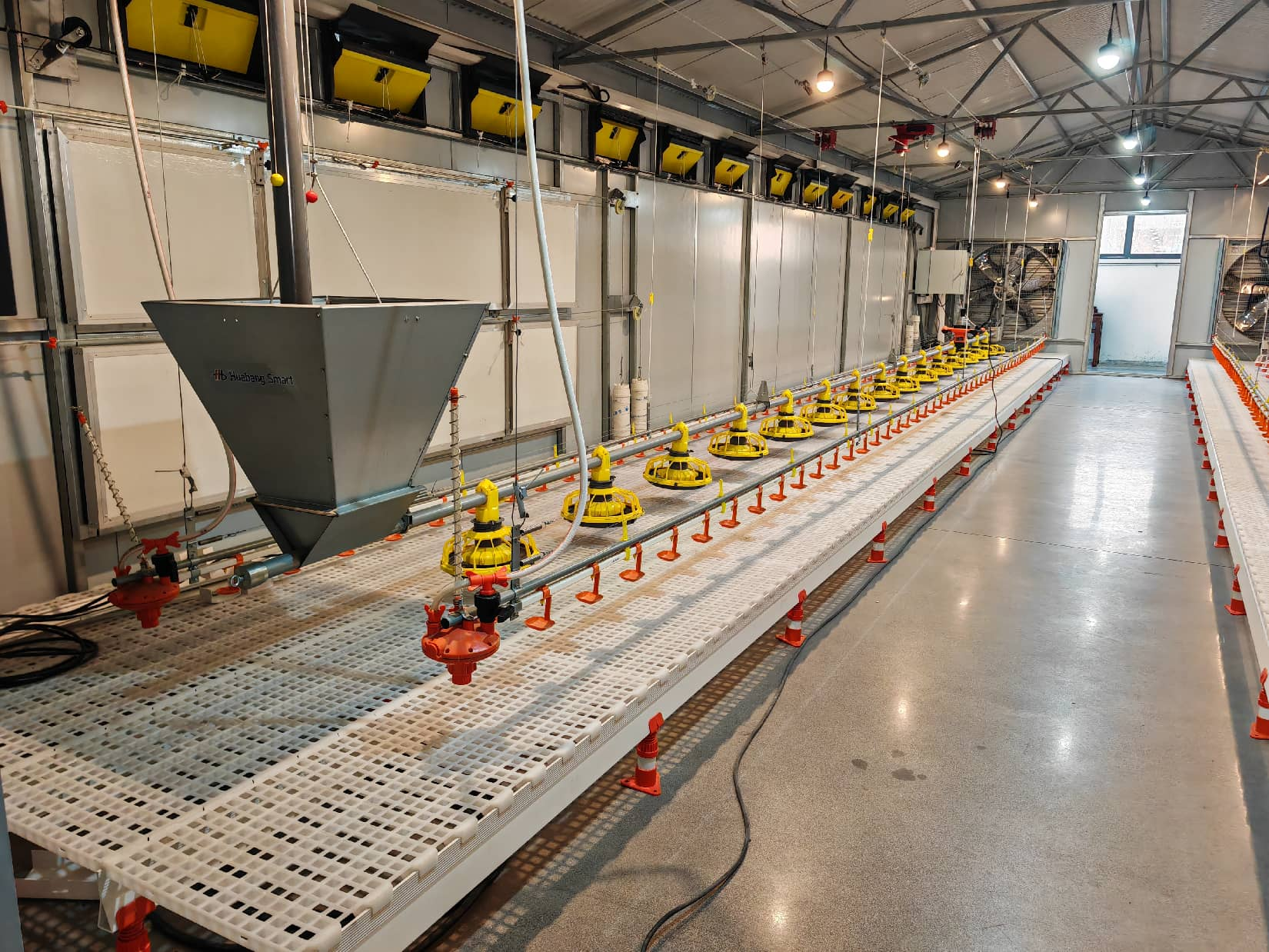
Core Design Principles of Effective Poultry Feeders
Gravity-fed and elevated-port systems: Simplicity, reliability, and contamination control
Poultry feeders that rely on gravity get rid of all those moving parts we usually see, and they manage how much feed comes out through ports positioned high above the coop floor area. When these feeding points are elevated like this, it stops things like bedding material, chicken poop, and dampness from getting mixed into the actual feed stock. That's really important when trying to keep diseases at bay and maintain fresh feed quality. Studies show these elevated systems cut down on wasted feed by somewhere between 15 to maybe even 30 percent compared to what happens when feeders sit right on the ground. Plus chickens can just walk up and eat whenever they want without anyone having to come around and refill containers manually. This means farmers don't have to spend so much time maintaining feed supplies day after day.
No-moving-parts DIY bucket feeders vs. commercial poultry feeder durability and scalability
The simple bucket type feeder is cheap enough for backyard chicken keepers with just a few birds around, though these basic models don't hold up well when used for extended periods or with larger flocks. Better quality commercial feeders are built with special UV resistant plastics and stronger bases that can take the constant pecking from chickens plus handle whatever weather comes their way. Most folks find that homemade setups work fine for small operations with less than fifty birds, but when things get bigger, going with professionally designed systems makes sense because they come with parts that fit together easily and can be expanded as needed. These higher end feeders also use materials that won't warp in heat or crack during cold snaps, which helps keep the feed fresh longer and maintains the whole feeding system's reliability season after season.
Reducing Feed Waste: How Poultry Feeders Minimize Spillage and Scattering
Quantified waste reduction: Up to 35% less spillage vs. open trays (USDA ARS, 2022)
USDA ARS research (2022) confirms modern poultry feeders reduce spillage by up to 35% compared to open trays—a critical advantage, since feed accounts for 60–70% of production costs. Strategic barriers and containment features prevent birds from scratching or flicking feed outward, directly improving resource efficiency.
Uniform distribution and behavioral impact: Curbing selective pecking and ground feeding
Recessed ports and angled barriers allow beak access while blocking foot contact—curbing selective pecking, which causes 62% of spillage incidents. This design minimizes ground feeding and scattering by ensuring uniform feed distribution, reducing competition, and aligning with natural foraging instincts without compromising efficiency.
Improving Feed Conversion Ratio (FCR) Through Controlled Access and Consistent Intake
Feeder port geometry, bird density, and intake regulation in layer and broiler trials
Better designed poultry feeders can actually boost FCR through controlled access management. For instance, circular feeding ports with raised edges cut down on feed loss by about 18% compared to those angular openings we see in many broiler setups according to recent studies from Poultry Science in 2023. Getting the lip height right matters too since it stops birds from tossing food away with their beaks. When there's too many chickens crowding at these feeding spots, FCR goes up by roughly 0.12 points for each additional bird past what's considered safe stocking levels. With laying hens specifically, those tapered ports that stick out 4 to 6 centimeters inside the feeder help reduce meal skipping incidents by nearly 27%. This design works well because it aligns better with how these birds naturally eat throughout the day. Feed systems that control the flow rate also stop birds from overeating in one go, which messes with their digestion. On actual farms, this kind of regulation typically leads to FCR improvements somewhere between 0.15 and 0.3 points, making a real difference in operational efficiency.
Smart Automation in Modern Poultry Feeders: Balancing Convenience and Feed Efficiency
Today's automatic chicken feed systems come with built-in clocks and accurate dispensers that match when birds get fed to their actual growth needs, which stops problems like not enough food, too much being eaten at once, or wasted feed that happens with old school hand feeding. The sensors on these machines adjust how much gets dropped based on how many chickens are around and what they're doing, so every bird gets its share properly. Getting rid of mistakes people make when setting times or measuring amounts means better feed conversion rates overall, plus saves money on wages for workers. The sealed containers and focused way the feed drops down also cut down on dirt getting into the mix, making everything work better for big scale farming operations.
FAQ Section
What are the benefits of gravity-fed poultry feeders?
Gravity-fed poultry feeders simplify the feeding process by using elevated ports to control feed output, reducing contamination and waste by up to 30% compared to ground-level feeders.
How can poultry feeders minimize feed waste?
Modern poultry feeders reduce spillage up to 35% through strategic barriers and containment features that prevent birds from spreading feed, lowering production costs.
What role does feeder port design play in feed conversion ratio?
Feeder port design, including circular ports and appropriate lip heights, aids in reducing feed loss and improving FCR by managing intake and preventing overcrowding.
How does smart automation enhance poultry feeding efficiency?
Automatic feeding systems with built-in clocks and sensors ensure optimized feed distribution, reduce manual errors, and improve feed conversion rates, benefiting large-scale farming operations.