
 EN
EN
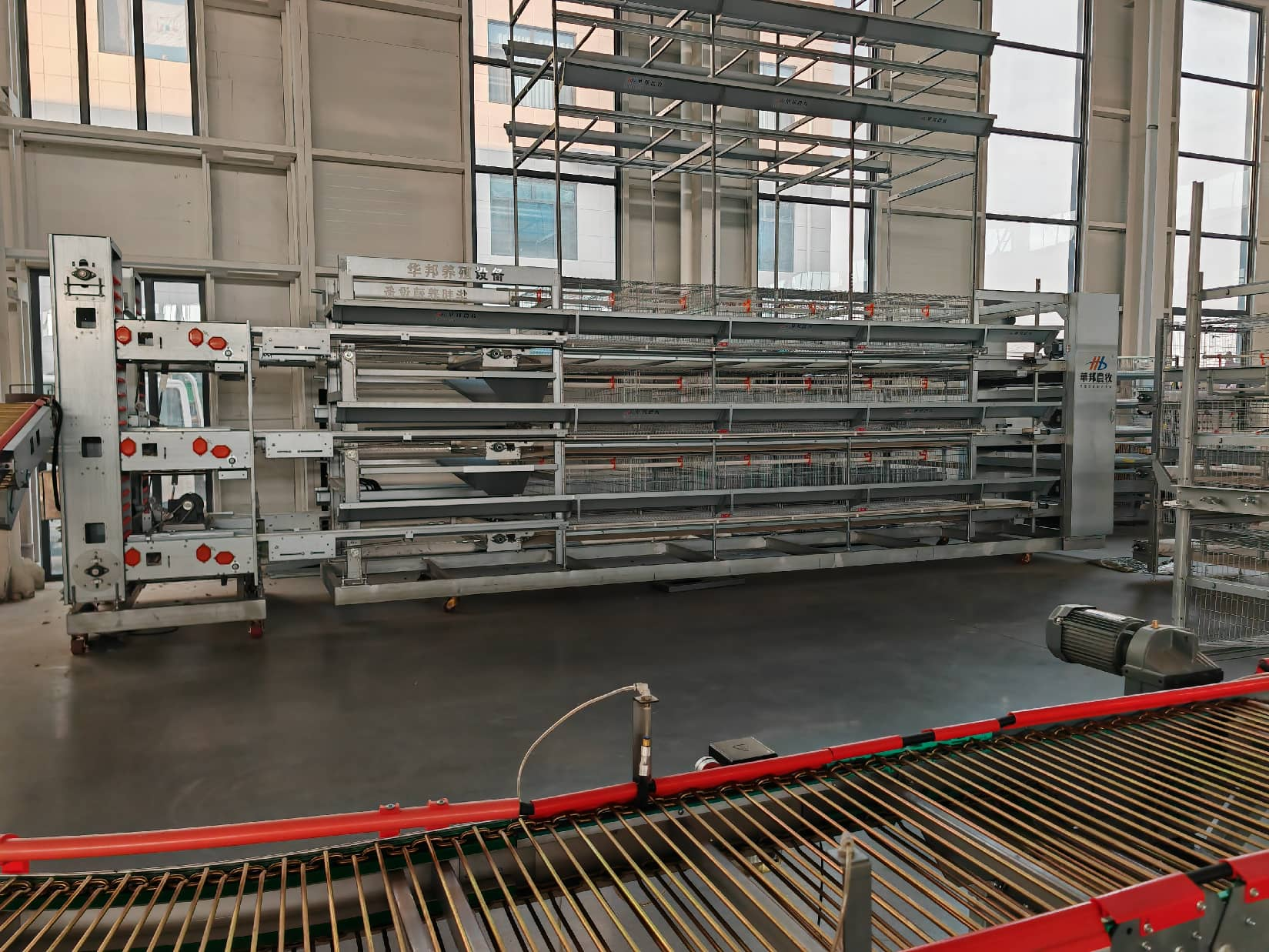
Boosting Operational Efficiency with Integrated Automation
How Automated Feeding, Egg Collection, and Manure Removal Cut Labor Cycles by 60–75%
Today's automated chicken cage setups bring together three main technologies that really change how poultry farms operate day to day. The feeding system works like this: it sends measured amounts of feed along conveyor belts straight into the cages. This cuts down on wasted grain because farmers don't have to hand out food anymore, and some studies show feed loss drops around 8.2% when using portion control. For eggs, soft moving belts pick them up gently and carry them to collection areas in just a few minutes instead of workers spending hours collecting them manually. Down below where the chickens roost, there are scrapers that automatically clean away manure at set intervals throughout the day, so nobody has to deal with messy cleanup every morning. According to reports from the USDA's NASS division, all these automated features combined cut down on labor needs between 60 to 75 percent. What does this mean for farm staff? They spend less time doing repetitive chores and more time watching over the flock's health and making sure everything runs smoothly.
AI-Driven Environmental Control: Cutting Ventilation Energy Use by 22% While Stabilizing Conditions
Smart environmental control in automated chicken houses uses sensors and machine learning to keep things running smoothly. When we track temperature, moisture levels, and air quality around the clock, the system can predict when to adjust ventilation before problems happen. Studies published in Poultry Science back this up showing these smart systems cut energy bills by about 22% over old fashioned timers. The algorithms work pretty well too, keeping temperatures stable within half a degree Celsius of what's best for the birds. This helps prevent those stressful situations that lead to fewer eggs being laid. Plus, better control means equipment lasts longer since it isn't working as hard all the time. Oxygen stays at good levels and ammonia gets removed properly throughout the house, so chickens stay healthy and productive without farmers having to constantly check on them.
Maximizing Space and Labor Productivity Through High-Density Automatic Chicken Cage Systems
30–40% Higher Stocking Density Without Welfare Compromise: Design Principles and Monitoring Standards
Modern automatic chicken cage systems achieve 30–40% higher stocking densities through vertically stacked tiered layouts and modular configurations—while rigorously adhering to welfare standards set by the American Humane Association and EU Directive 1999/74/EC. Key design principles include:
- Precise per-bird space allocation (≥450 cm²/hen) ensuring freedom of movement
- Sloped flooring with integrated manure belts reducing ammonia concentrations below 10 ppm
- Optimized feeder/waterer placement enabling simultaneous access for all birds
Continuous monitoring via IoT sensors tracks critical welfare indicators:
| Parameter | Welfare Threshold | Real-Time Monitoring Method |
|---|---|---|
| Air Quality | <20 ppm ammonia | Ceiling-mounted sensors |
| Behavioral Stress | <5% feather pecking | AI-powered video analytics |
| Resource Access | <30 sec queue time | RFID tracking at stations |
When farms adopt these new standards, they typically experience about 18% boost in egg output according to research from Poultry Science in 2023, all while keeping bird deaths at normal levels. Space optimization cuts down on how much work farmers need to do day to day. A farmer can now handle roughly three times as many chickens in an hour compared to traditional methods. Plus, those fancy automated systems keep things running smoothly even when there are lots of birds packed together. What we're seeing here is actually pretty interesting. The combination of better animal care practices with modern technology is slowly bridging what used to be a big divide between getting good yields and making sure animals stay healthy and comfortable.
Improving Egg Production and Consistency via Stress Reduction and Precision Environment Management
Circadian Light + Thermal Buffering: Extending Peak Laying Phase and Closing the 12–18% Yield Gap
Lighting systems that mimic natural day and night cycles help keep hens producing eggs at their best for around 4 to 6 extra weeks each season because they support better hormone balance in the birds. At the same time, special thermal management keeps barn temperatures steady between about 68 and 78 degrees Fahrenheit, give or take a degree here or there. This prevents the kind of temperature swings that stress out chickens and mess with how often they lay eggs. Together these tech solutions tackle the problem areas highlighted in last year's industry benchmark report where farms were losing between 12 and 18 percent potential output. The real magic happens when all these factors work together to maintain stable bodily functions in the flock.
- Light spectrum calibration: 14-hour graduated dawn-dusk cycles boost prolactin for consistent ovulation
- Insulation dynamics: Phase-change materials absorb/release heat during temperature spikes
This precision environment management reduces corticosterone stress hormones by 27%, enabling hens to reach genetic potential. Farmers report 10–15% higher annual output per bird alongside improved shell thickness uniformity—validated through longitudinal field data from the University of Georgia’s Poultry Research Center.
Delivering Strong Economic Returns: Feed Efficiency, Waste Reduction, and ROI Timeline
From 8.2% to 2.6% Feed Waste: How Calibration in Automatic Chicken Cage Systems Optimizes Conversion
Modern automatic chicken cage systems equipped with precision feeding tech cut down on wasted feed dramatically, bringing losses down from around 8.2 percent to just 2.6 percent thanks to adjustments made in real time for portion sizes and when feed gets delivered. The system has sensors watching what the birds actually eat throughout the day, so it can tweak how much feed goes out based on what the flock is doing at any given moment without letting too much spill over. Feed conversion rates have gotten better too. Some field tests indicate farmers save between 15 and maybe even 18 percent on feed costs for every dozen eggs they produce. There are also automated shut off valves that kick in before things start overflowing, plus specially designed troughs angled just right so all the birds get their share without leftovers sitting around. All these little improvements mean what used to be one of the biggest expenses on a farm is now something that can be managed pretty precisely instead of just guessed at month after month.
ROI Achieved in Under 3 Years: Real-World Payback Analysis for Small-to-Mid-Scale Farms
Farms of moderate size that switch to automatic chicken cages tend to see their investment paid back completely around the 3 year mark. There are basically three areas where money starts coming back fast. First off, labor costs drop dramatically - most farmers report cutting down on daily work by anywhere between 60 to 75%. Then there's feed savings too, since automated systems waste less food, saving about 5 to 7% per year. And finally, fewer chickens die because the environment stays stable throughout the day, which cuts losses by roughly 8 to 12%. The system also includes energy efficient parts such as variable speed fans that help speed things along even more. Take a typical operation with 10 thousand birds for example. After accounting for depreciation, many farmers end up saving somewhere between forty two thousand and fifty eight thousand dollars each year. These numbers come from looking at actual financial records from 47 different farms across both the US and Canada during the past couple years.
FAQ Section
What are the main technologies involved in automated chicken cage systems?
These systems typically incorporate automated feeding systems, egg collection mechanisms, and manure removal devices to streamline farming operations.
How do automated systems reduce labor needs?
The systems automate repetitive tasks such as feeding, egg collecting, and manure cleaning, allowing farm staff to focus more on monitoring flock health and farm management.
What improvements does AI-driven environmental control offer?
AI systems optimize ventilation, temperature, and air quality, which can cut energy use by up to 22%, improve chicken health, and extend the lives of equipment.
How do high-density cages affect animal welfare?
They are designed to balance higher stocking densities with animal welfare standards, using IoT sensors and monitoring systems to ensure optimal living conditions.
What is the typical return on investment (ROI) timeframe for switching to automated systems?
For small-to-mid-scale farms, the ROI is typically achieved in under three years, factoring in labor savings, feed efficiency, and reduced mortality rates.
Table of Contents
- Boosting Operational Efficiency with Integrated Automation
- Maximizing Space and Labor Productivity Through High-Density Automatic Chicken Cage Systems
- Improving Egg Production and Consistency via Stress Reduction and Precision Environment Management
- Delivering Strong Economic Returns: Feed Efficiency, Waste Reduction, and ROI Timeline
- FAQ Section