
 EN
EN
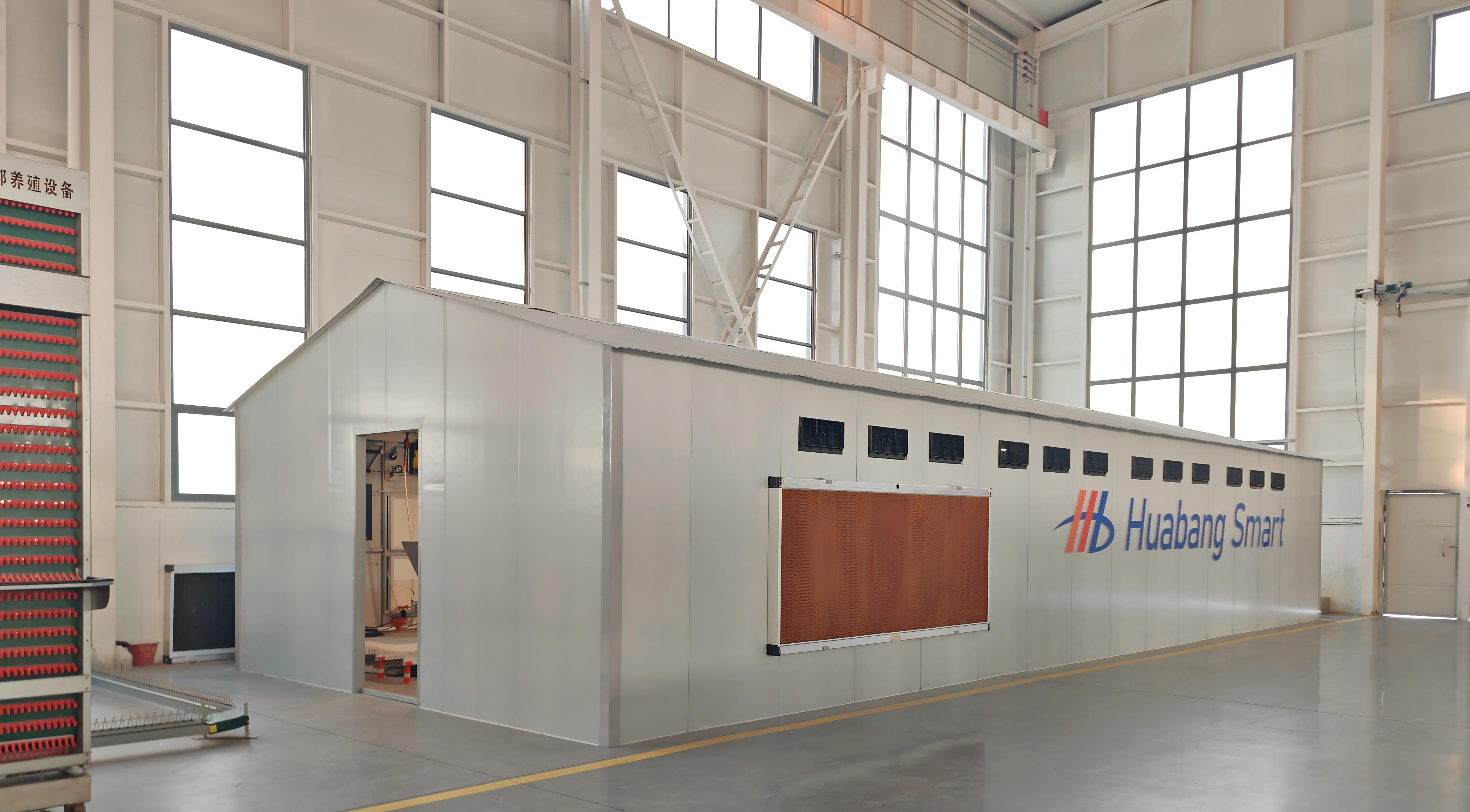
Breed-Specific Space & Density Planning for Chicken Coop Cages
Minimum square footage and height clearance per breed category (heavy, light, bantam, dual-purpose)
Getting the right cage sizes for different chicken breeds makes a big difference in keeping them happy and healthy. For heavier birds like Orpingtons, we're talking around 4 to 5 square feet per chicken plus plenty of headroom—about 24 to 30 inches tall—to handle their bigger frames and keep those feathers intact. Lighter breeds such as Leghorns do fine with a bit less space, roughly 3 to 4 square feet and maybe 18 to 22 inches vertically since they move around so much. Tiny bantams only need about 1 to 2 square feet but surprisingly still appreciate some headspace, around 15 to 18 inches, to stretch out and act naturally. Then there are dual-purpose breeds like Rhode Island Reds which sit somewhere in the middle needing approximately 3.5 to 4.5 square feet and about 20 to 25 inches high. When chickens don't have enough room, things get tense real quick. Overcrowded flocks often see fights break out and injuries happen more frequently. Following these basic guidelines gives chickens proper space to eat, roost, and rest without feeling cramped all the time.
Avoiding welfare risks: How overstocking affects cold-hardy vs. heat-sensitive breeds in confined chicken coop cages
When too many birds are kept together, their well-being gets affected in different ways depending on the breed because some handle environments better than others. Take Chanteclers for instance these cold-tolerant chickens can manage okay in tighter spaces during winter months, though they tend to get sick more often when stuck in stuffy barns without good ventilation. The numbers back this up humidity related sickness jumps around 25% when conditions are bad. For heat sensitive types like Silkies, things get really tough in summer. When there's not enough fresh air moving through the coop, temperatures inside climb dangerously high, and we've seen death rates go up about 20% during hot spells. Beyond just temperature issues, overcrowding leads to more fighting among birds which causes cuts and bruises, plus laying rates drop off across the board no matter what kind of chicken it is. If someone wants to keep their flock healthy, especially during warmer seasons, giving them more room to move around makes sense. Regular checks on how clean the air is and making sure each bird has adequate space should be part of any management plan.
Roost & Perch Adaptations for Breed Mobility in Chicken Coop Cages
Roost width, height, and spacing for heavy breeds and low-mobility flocks
Big chicken breeds such as Orpingtons need wider perching spots around 2 to 3 inches across so their weight spreads out properly and keeps those feet from getting sore. When setting up roosts, aim for about 18 to 24 inches off the ground, and don't forget to add some gentle ramps for older or less mobile birds who might struggle with jumps. Space things out too: leave at least 12 to 18 inches between each level and give every bird roughly 10 to 12 inches of horizontal space on the perch itself. This helps avoid the whole crowded chicken situation and gives them room to stretch those wings without bumping into neighbors. Research into chicken well being suggests that anything over 24 inches high can actually lead to about a third more joint problems in heavier breeds. And if possible, go for stable wooden perches that are nicely rounded rather than flat surfaces since this cuts down on accidental slips and tumbles quite a bit.
Bantam-optimized perching: Diameter, elevation, and non-slip material selection
Silkie bantams need smaller perches since their feet are on the tiny side. Something around 3/4 to 1 inch in diameter works best for them. We've found that our coop can go up to about 4 feet high, though it's important to have some lower spots too, maybe around 12 to 18 inches off the ground. This helps older birds or those going through molt get up there without struggling. For non-slip surfaces, plain old untreated wood with bark still attached is great, plus we sometimes use branches with natural ridges or add some rubber mats for extra grip. When arranging perches, leave about 8 to 12 inches between each level vertically and stagger them so the chickens can move around comfortably in the air. Bantams aren't as heavy as larger breeds, so they can handle higher perches, but don't put any perch right over nesting boxes otherwise we end up with dirty eggs from bird poop falling down.
Nesting Box & Ventilation Customization in Chicken Coop Cages by Breed Behavior
Nesting Dimensions, Placement, and Privacy Design for High-Laying vs. Broody or Non-Laying Breeds
When setting up nesting areas for chickens, it really pays off to match them to what different breeds naturally want. Take those high producers like Leghorns for instance they do best when given smallish nests around 12 by 12 inches that sit low enough so they can reach without climbing. A good rule of thumb is having one nest for every four to five hens in these groups. Now if we're talking about broody types such as Silkies or Orpingtons, they need something quite different. These birds prefer bigger spaces about 14 inches square where they feel secure. Putting these nests in darker corners with taller sides helps keep curious chickens from bothering them while they're sitting on eggs. And don't forget about the quieter breeds that don't lay much or at all. Limiting their access to nesting spots actually works wonders, pushing them instead to spend time scratching around outside or just relaxing somewhere else entirely.
Climate-Aligned Ventilation: Draft-Free Airflow for Cold-Hardy Breeds vs. Evaporative Cooling for Heat-Sensitive Flocks
Getting the airflow right depends a lot on what kind of chickens we're talking about when it comes to their ability to handle different climates. Cold hardy breeds like Wyandottes and Chanteclers need protection from drafts but still want good circulation. Install those adjustable ceiling vents so they sit above chicken head level, aim for around 4 to 8 complete air changes each hour, and make sure no cold winds are blowing directly onto them. On the flip side, heat sensitive birds such as Leghorns and Fayoumis benefit most from wall vents placed close to where they roost. When combined with proper cross ventilation and some water cooling pads, these setups can actually drop the temperature inside by about 5 to 7 degrees Fahrenheit. Either approach helps maintain that sweet spot for humidity levels between 30% and 70%, which is really important for keeping birds healthy and productive throughout the seasons.
FAQ
What is the ideal space requirement for different chicken breeds?
Heavy breeds require about 4 to 5 square feet per chicken and a height of 24 to 30 inches. Light breeds like Leghorns need around 3 to 4 square feet and 18 to 22 inches of height. Bantams should be given 1 to 2 square feet and 15 to 18 inches of vertical space. Dual-purpose breeds such as Rhode Island Reds benefit from 3.5 to 4.5 square feet and 20 to 25 inches in height.
How does overcrowding affect different types of chicken breeds?
Overcrowding can lead to increased illness among cold-hardy breeds in winter and can significantly raise heat stress levels for heat-sensitive breeds in summer. It also elevates the incidents of injuries and decreases egg production across all breeds.
What should be considered when setting up roosts for heavy vs. bantam breeds?
Heavy breeds need wider perches (2 to 3 inches) and should be elevated about 18 to 24 inches. For bantams, perches of 3/4 to 1 inch in diameter are optimal, with elevations varying up to 4 feet but including lower options to accommodate older or molting birds.
How should nesting areas be customized for different chicken breeds?
High-laying breeds need smaller nests (12x12 inches), while broody breeds prefer larger and more secluded nests. Non-laying breeds should have limited nesting access to promote exploratory behavior.
What are the ventilation needs for cold-hardy vs. heat-sensitive chicken breeds?
Cold-hardy breeds like Wyandottes need draft-free yet well-circulated environments. In contrast, heat-sensitive breeds such as Leghorns benefit from effective cross ventilation and evaporative cooling to manage high temperature stress.
Table of Contents
- Breed-Specific Space & Density Planning for Chicken Coop Cages
- Roost & Perch Adaptations for Breed Mobility in Chicken Coop Cages
- Nesting Box & Ventilation Customization in Chicken Coop Cages by Breed Behavior
-
FAQ
- What is the ideal space requirement for different chicken breeds?
- How does overcrowding affect different types of chicken breeds?
- What should be considered when setting up roosts for heavy vs. bantam breeds?
- How should nesting areas be customized for different chicken breeds?
- What are the ventilation needs for cold-hardy vs. heat-sensitive chicken breeds?