
 EN
EN
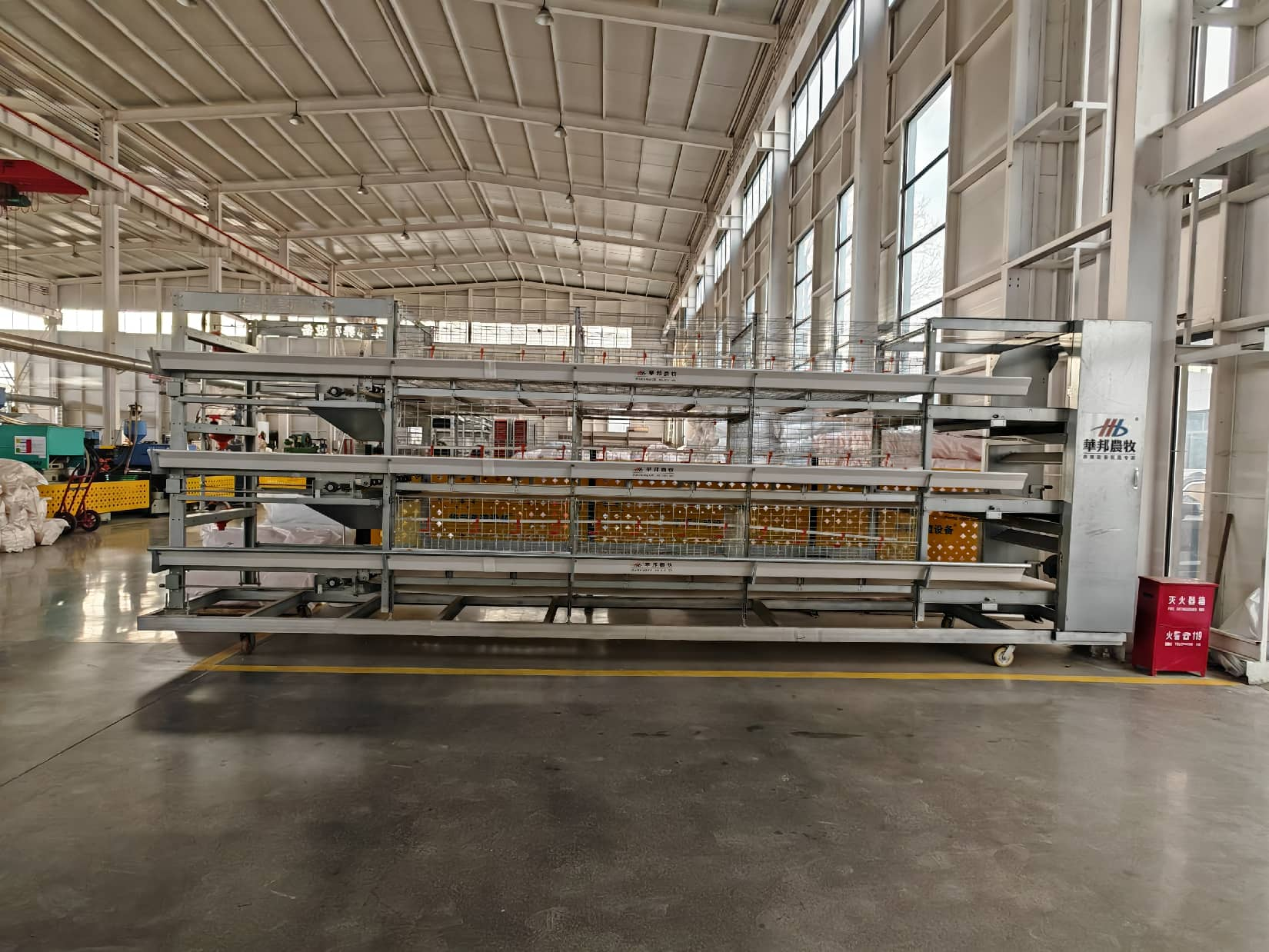
The Real Cost of Chicken Cages: Beyond Upfront Price
Hidden lifecycle costs: Maintenance, replacement, and flock health impacts
Cheap chicken cages actually end up costing farmers between 40 to 60 percent more over their lifespan than good quality ones, even though they look cheaper at first glance. Galvanized steel options might set farmers back around 30% more initially, but these last much longer requiring about 75% less maintenance work over five years when compared with those painted alternatives many opt for. The design matters too. When cages are poorly spaced or made from inferior materials, it really affects how healthy the flock stays. We've seen farms where cramped conditions lead to about 15% higher vet bills and roughly 8% fewer eggs because stressed birds get sick more easily. Then there's all that wasted feed from bad trough designs adding anywhere from twelve to eighteen cents extra per bird each month. And let's not forget about replacing rusted out cages early on something that can hit around $740 just for every hundred birds according to Poultry Operations Journal. All these little expenses pile up fast, sometimes making those so-called budget cages twice as expensive within just three short years.
Why 'budget-friendly chicken cage' claims often mislead buyers
Manufacturers promoting low-cost cages routinely omit critical durability metrics. Independent testing reveals that units advertised as "heavy-duty" frequently use:
- 14-gauge wire instead of the industry-standard 12-gauge—reducing predator resistance by 40%
- Electrostatic paint rather than hot-dip galvanization, cutting corrosion resistance from 15+ years to under four
- Welding points prone to fatigue failure after just 18 months
When corners are cut in construction materials, replacement rates go through the roof - around three times higher than what we see with properly certified galvanized systems. If farmers want real savings over time, they need to check off three key requirements first. The galvanization should meet ASTM A653 standards, wires must be at least 2mm thick, and the floor structure needs reinforcement similar to ladder designs. Field inspections across multiple farms show something interesting though. Cages built to these specs actually save about 28 percent on running costs over five years compared to cheaper options, despite costing more upfront. Many producers find this tradeoff worth it when looking at long term expenses rather than just initial outlay.
Quality Benchmarks That Protect Long-Term Value
Galvanized steel vs. painted steel: Corrosion resistance data from USDA poultry housing studies
When it comes to fighting corrosion, galvanized steel beats painted steel hands down, particularly important in those damp, ammonia filled spaces found in poultry farms. Research from USDA on bird house construction indicates that galvanized steel can stick around for two or even three times as long as paint jobs when put through similar wear and tear. This means saving around 40 cents on the dollar for replacements after just five years. What makes galvanized steel so good? The zinc coating actually repairs itself when scratched, while painted surfaces tend to flake away quickly, leaving raw metal exposed to rust. Once corrosion sets in, not only does the structure weaken, but these damaged spots become breeding grounds for bacteria that can really mess with the health of the whole flock.
Wire gauge essentials: Why 12-gauge minimum ensures predator resistance and 5+ year durability
The thickness of the wire really matters when it comes to how long these structures last. Most folks in the industry agree that 12-gauge steel (about 2.05 mm thick) is what works best for commercial chicken cages over time. When they go with something thinner like 14-gauge, problems start showing up pretty quickly. These thinner wires tend to bend out of shape after regular handling or when animals press against them, which can lead to chickens escaping or getting hurt. According to USDA testing back in the field, the 12-gauge stuff stays strong for around five years or longer. The 14-gauge ones? They usually give way somewhere around 18 months mark. Another thing worth noting is strength under pressure. The thicker 12-gauge can handle about 300 pounds of force at any one spot, which helps keep those pesky raccoons and foxes away, plus protects against accidental bumps during cleaning routines. Thinner wires simply aren't built for this kind of stress and will buckle under only about 120 pounds.
Proven ROI Drivers in Commercial Chicken Cage Selection
Beyond initial pricing, strategic cage investment reduces operational costs through measurable efficiency gains. Two key levers accelerate breakeven points: feed conservation and enhanced animal welfare.
How Reduced Feed Waste and Lower Injury Rates Improve Breakeven Timelines
Precision-engineered cages minimize feed spillage by 12–18% through optimized trough geometry and barrier placement. Rounded wire edges and properly sloped floors reduce foot injuries and breast blisters by over 30%, lowering veterinary interventions and mortality. For a 10,000-hen operation, these combined efficiencies typically recover the full cage upgrade cost within 18 months.
Industry Benchmark: Achieving 3–5 Year ROI With Mid-Tier Galvanized Chicken Cages
Galvanized chicken cages in the mid price range tend to pay for themselves within about 3 to 5 years when they meet ASTM A653 standards and are made with 12 gauge materials. These cages resist rust about 80 percent better than cheaper options according to USDA research, which means they last around five years instead of just two or three. The stronger build also keeps things running smoothly on the farm. Many operations see their egg production stay steady much longer too, with some reporting about 20% fewer losses after the third year compared to what happens with budget grade equipment. Looking at real world data from 47 different poultry farms back in 2023, those using quality cages saw nearly complete return on investment by the time they hit month 42, mainly because these systems break down less often, require less maintenance work, and keep flocks performing well over time.
FAQ
Why do cheaper chicken cages cost more in the long run?
While they seem inexpensive initially, cheaper chicken cages incur higher costs due to frequent replacements, increased maintenance, and poor design affecting flock health.
What is the importance of wire gauge in chicken cages?
A minimum of 12-gauge wire ensures better predator resistance and cage durability over time, reducing the chances of structural failures and animal escape.
How does galvanized steel compare to painted steel?
Galvanized steel offers superior corrosion resistance, lasting two to three times longer than painted steel, thus saving on replacement costs and safeguarding flock health.
What are the ROI drivers for mid-tier galvanized chicken cages?
These cages pay for themselves within 3 to 5 years by enhancing feed conservation and animal welfare, leading to reduced operational costs and steady egg production.