
 EN
EN
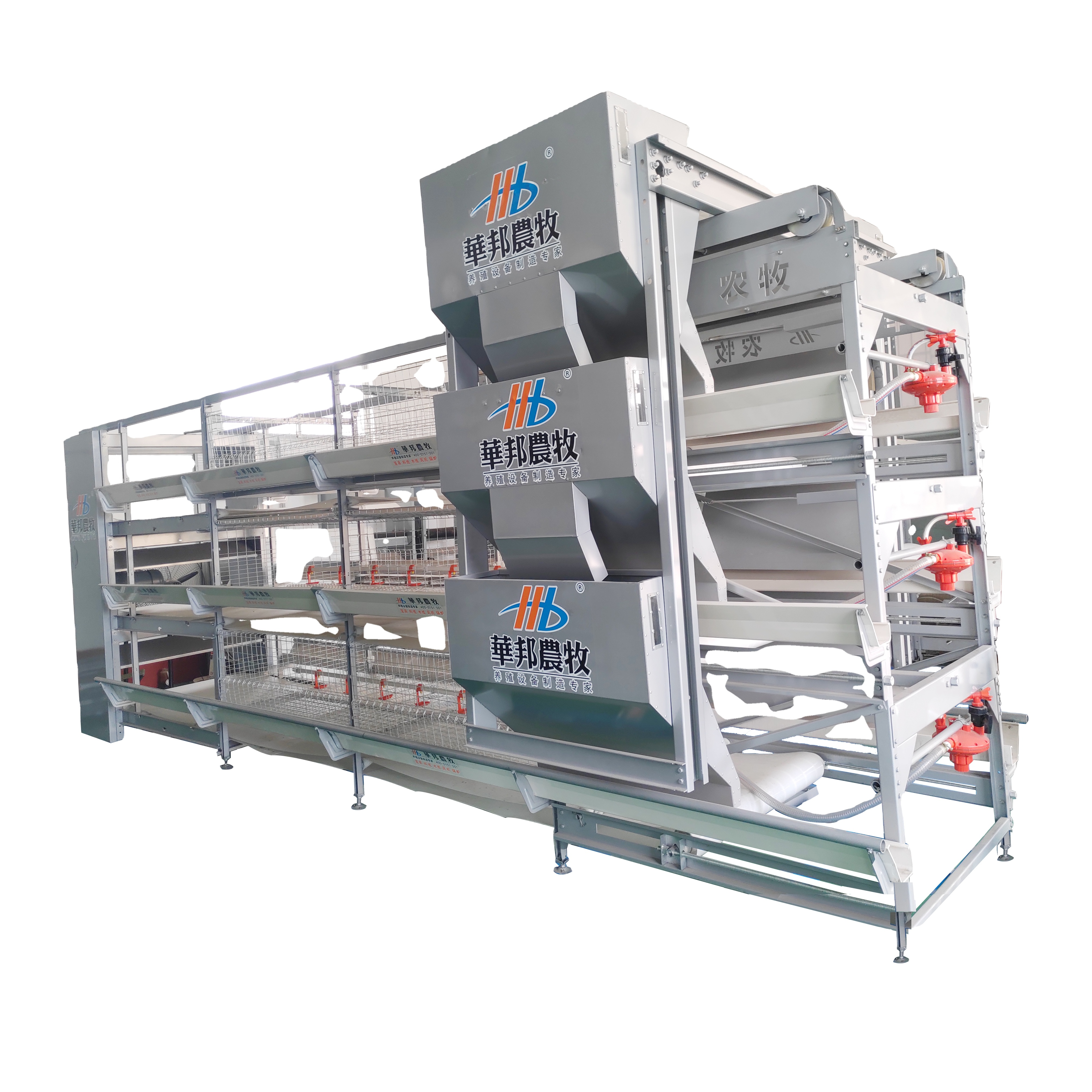
Rasspecifika fysiska och beteendemässiga krav kräver anpassad design av lagringsburar för lagghöns
Kroppsstorlek, fjäder täthet och rörelsemönster varierar kraftigt mellan olika raser
En standardlagerhönsbur kan inte lika väl anpassas till alla raser. Raserna med kraftigare kroppsbyggnad, såsom Rhode Island Reds, kräver större golvstänger och bredare buröppningar för att förhindra skador på bröstbenet, medan lättare ras som White Leghorns navigerar lättare genom smala utrymmen. Fjäder täthet spelar också roll: ras med tät fjäderdräkt behöver extra ventileringsöppningar för att undvika värmebelastning, medan hönor med gles fjäderdräkt drar nytta av mindre avstånd mellan elementen för att behålla värmen. Rörelsemönstren skiljer sig också åt – vissa raser föredrar vertikal klättring, andra horisontell sökning efter föda. Att bortse från dessa variationer leder till sämre utfodringseffektivitet och högre dödlighet. Att anpassa burdimensioner och layout till varje ras naturliga beteende förbättrar direkt daglig viktökning och äggproduktion.
Hur anpassad trådavstånd, golvstängervinkel och golvlutning förbättrar välfärd och fertilitet
Justering av trådavstånd förhindrar skador på fötterna och äggskador: bredare mellanrum är lämpliga för större raser för att undvika att klorna fastnar; smalare avstånd stödjer mindre höns genom att minska belastningen på benen. Perchvinklar som är justerade efter naturlig grenlutning – 5–10 grader – främjar sovande beteende och stärker benmuskulaturen, en faktor som kopplas till högre fertilitet hos köttfågelstuppar. En golvlutning på 8–12 grader gör att äggen rullar mjukt till insamlingspunkterna utan att spricka, även i högtdensitetsbostäder. Dessa målriktade modifieringar sänker stresshormonnivåerna, minskar antalet ägg som läggs på golvet och förbättrar kläckbarheten. En anpassad lagringshönshage utformad utifrån ras-specifika mått återbetalar sig slutligen genom friskare fåglar och fler livsdugliga ägg.
Precisionsstyrning av miljöförhållandena genom integrering av anpassad lagringshönshage
Stabilisering av temperatur, ljus och luftflöde för att bibehålla äggskalskvalitet och konsekvent ägglossning
Anpassade gallerburssystem för lagervis hållning av kycklingar integrerar intelligent miljökontroll för att upprätthålla stabila förhållanden. Sensorer övervakar temperatur, luftfuktighet och ammoniaknivåer i realtid och justerar automatiskt ventilationsfläktar, kylningsplattor och värmare. Vid hett väder kan spraykylning sänka stalltemperaturen med 5–8 °C inom minuter – vilket förhindrar värmebelastning som stör ägglossningen och försämrar äggskalens kvalitet. Konsekventa belysningsprogram stärker cirkadiska rytmerna och stödjer pålitlig äggproduktion. Genom att anpassa dessa kontroller till både rasens fysiologi och det lokala klimatet uppnår producenter högre kläckningsgrad och färre spruckna ägg. Precisionen i en anpassad gallerbur för lagervis hållning av kycklingar minimerar energiförbrukning samtidigt som flockhälsan maximeras, vilket leder till förutsägbara lägncykler och starkare skal – nyckeldrivande faktorer för lönsamhet.
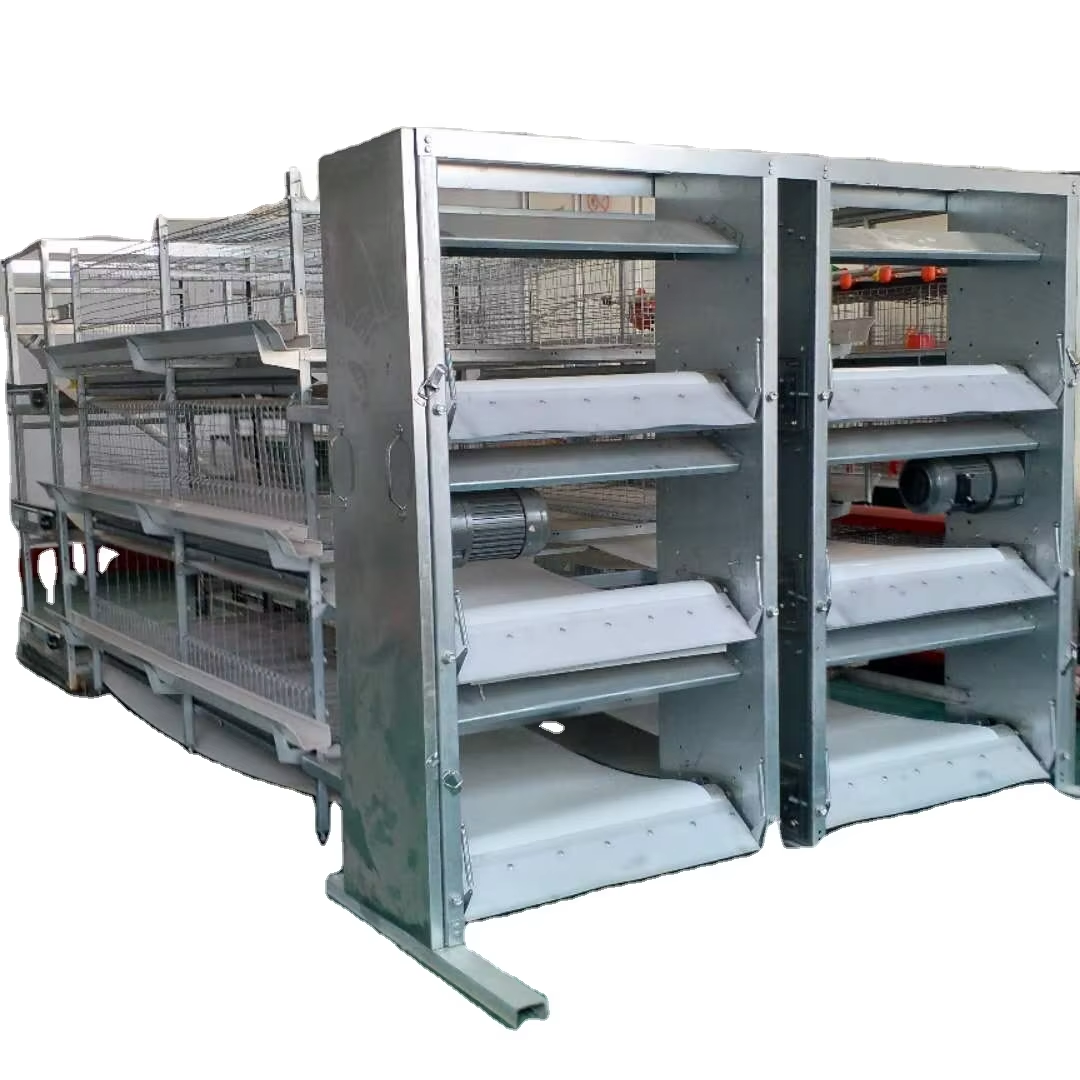
Smart bo- och belysningsanpassning för optimering av reproduktionsprestanda
Modernare burssystem för lagervärdshöns kan integrera specialiserade läggkassar och belysning för att direkt förbättra fortplantningsresultaten. Ett vanligt problem är ägg som läggs på golvet, vilket försämrar hygienen och insamlingsverkseffektiviteten. Att anpassa läggkassarnas mikromiljö hjälper till att lösa detta problem.
Minska antalet ägg som läggs på golvet genom mikroklimatanpassade läggkassar och spektral ljusjustering
Goldeggar uppstår när höns avvisar standardbon på grund av obehag eller otillräckliga beteendesignaler. Bo med anpassad mikroklimat håller optimal temperatur och fuktighet—vilket gör dem mer attraktiva än burgolvet—medan funktioner som en lätt lutning på golvet och mjuk padding främjar naturligt äggläggningsbeteende. Spektral ljusjustering förfinar ytterligare denna effekt: höns svarar på längre våglängder (röd och amber) under toppperioden för äggproduktion med ökad bonaktivitet och minskad äggövergivande. Tillsammans kan dessa anpassningar minska andelen goldeggar med mer än 30 %, vilket förbättrar både äggkvaliteten och intäkterna. Data från gårdar visar att verksamheter som använder anpassade bon- och belysningsinställningar får färre spruckna ägg och högre kläckningsgrad. Att införa sådana precisionsfunktioner kräver integrerad styrning—men avkastningen på investeringen är betydande genom minskad arbetsinsats, mindre slöseri och lägre kostnader för hantering efter insamling.
Regleringsenlighet och operativ effektivitet: Varför generiska lagerhönsburar inte räcker
Generiska lagerhönsburar är alltmer oförmögna att uppfylla strikta djurskyddsförordningar, vilket skapar kostsamma efterlevnadsbrister och driftineffektiviteter. Nya standarder – såsom Kaliforniens Proposition 12 – kräver minst 750–900 cm² användbar yta per höna och föreskriver utrustning som bl.a. klätterstänger, läggboxar och klöskråkor. Färdiga burar uppfyller sällan dessa krav på yta och konstruktion, vilket tvingar lantbrukare att genomföra dyra ombyggnadsprojekt eller riskera böter. I motsats till detta integrerar anpassade system från början lämpliga klätterstängers höjd, golvlutning, trådavstånd och utrustningszoner – vilket undviker omformningskostnader och säkerställer överensstämmelse med utvecklade lagstiftning. Effekten på produktiviteten är betydande: moderna förbättrade lagerhönsburar ger 12–18 % högre produktion och minskar dödligheten med cirka 30 % jämfört med generiska batteriburar. Integrerade automatiserade utfodrings- och avfallsbehandlingsystem förbättrar dessutom foderutnyttjandet med 8–12 %. För gårdar som strävar efter att följa regleringskraven utan att offra lönsamheten är en lösning som passar alla inte längre hållbar. En anpassad strategi säkerställer både efterlevnad och driftseffektivitet redan från dag ett.
Vanliga frågor
Varför är anpassade lagringsburar för värphöns bättre än generiska burar?
Anpassade lagringsburar för värphöns är utformade med hänsyn till faktorer som ras-specifika behov, miljökontroll och efterlevnad av föreskrifter. Denna anpassning säkerställer bättre djurväl, högre ägglämningsprestanda och större driftseffektivitet jämfört med generiska burar.
Hur förbättrar miljökontrollen produktiviteten i anpassade burar?
Anpassade burar integrerar kontroller för temperatur, ljus och luftflöde som stabiliserar förhållandena, minskar stress och förbättrar både ägglossning och äggskalens kvalitet, vilket leder till högre kläckningsgrad och färre förluster.
Vilken roll spelar anpassning av bon i att minska antalet ägg på golvet?
Bon anpassade till mikroklimatet samt spektral ljusjustering uppmuntrar hönsen att lägga ägg i avsedda områden, vilket minskar andelen ägg på golvet med mer än 30 %.
Upfyller anpassade burar kraven i djurvärdföreskrifterna?
Ja, anpassade burar är utformade för att uppfylla och ofta överträffa regleringar som Kaliforniens proposition 12, vilket säkerställer lämplig plats, sittstänger och andra stimulansmedel som krävs för djurens välfärd.
Vilka är de ekonomiska fördelarna med att använda anpassade lagghönsburar?
Anpassade burar förbättrar foderutnyttjandet, ägproduktionen och minskar arbets- och hanteringskostnaderna. De betalar sig själva genom friskare fjäderfä, ökad produktion samt minskade regleringspåföljder eller ombyggnadskostnader.
Innehållsförteckning
- Rasspecifika fysiska och beteendemässiga krav kräver anpassad design av lagringsburar för lagghöns
- Precisionsstyrning av miljöförhållandena genom integrering av anpassad lagringshönshage
- Smart bo- och belysningsanpassning för optimering av reproduktionsprestanda
- Regleringsenlighet och operativ effektivitet: Varför generiska lagerhönsburar inte räcker
-
Vanliga frågor
- Varför är anpassade lagringsburar för värphöns bättre än generiska burar?
- Hur förbättrar miljökontrollen produktiviteten i anpassade burar?
- Vilken roll spelar anpassning av bon i att minska antalet ägg på golvet?
- Upfyller anpassade burar kraven i djurvärdföreskrifterna?
- Vilka är de ekonomiska fördelarna med att använda anpassade lagghönsburar?