
 EN
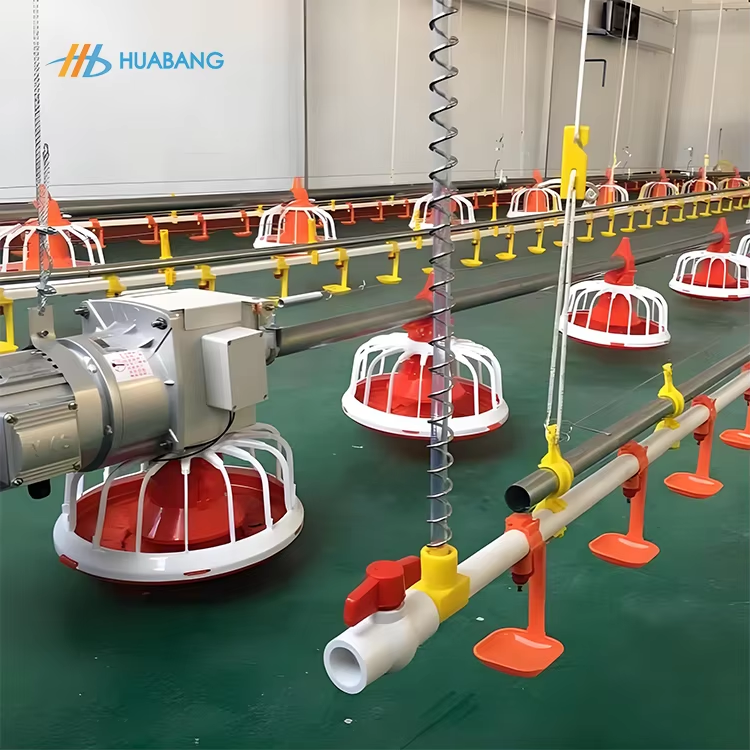
Poultry Feeder Design and Calcium Delivery for Stronger Eggshells
Precision Timing of Calcium Release and Its Impact on Shell Calcification
Eggshell integrity depends not just on total dietary calcium—but on when and how it’s delivered. Eggshells are ~97% calcium carbonate by weight, and layer diets during peak production typically require 3.0–3.5% calcium. Yet particle size and dissolution kinetics determine whether calcium is available during the critical 6–8 hours before oviposition—when ~60% of shell calcification occurs and hens aren’t eating. Coarse limestone or oyster shell particles linger in the crop and gizzard, dissolving slowly to supply calcium overnight. Precision poultry feeders can separate fine calcium (for rapid absorption) from coarse sources (for sustained release), aligning delivery with the shell gland’s 20-hour calcification window. Timed feeding events—especially a late-afternoon or pre-darkness meal—support continuous calcium uptake, reduce reliance on medullary bone reserves, and improve shell thickness and breakage resistance in aging layers. This targeted approach strengthens eggshells cost-effectively without over-supplementing calcium.
LED-Synchronized Feeders: Evidence of 27% Microfracture Reduction in Commercial Flocks
LED-synchronized feeders use gradual dawn lighting to trigger feeding behavior at first light—ensuring hens consume calcium before rapid shell calcification begins. A controlled 2023 commercial trial found that synchronizing feeder activation with LED sunrise programs reduced eggshell microfractures by 27% compared to fixed-time feeding. These microscopic cracks—often invisible to the naked eye—compromise barrier function, increase bacterial penetration risk, and elevate breakage during handling and transport. By aligning feed access with circadian-driven peaks in shell gland activity, synchronized feeding supports early mineralization of shell membranes and promotes uniform crop fill, reducing competitive stress at the feeder. Producers can implement this strategy by programming feeder runs to begin 15–30 minutes before full light intensity—a low-cost, non-pharmaceutical intervention that improves structural integrity, egg grade retention, and hatchability in breeder flocks.
Poultry Feeder Hygiene and Oxidative Stress Prevention in Reproductive Tissues
Biofilm-Induced Nutrient Interference: How Contaminated Feeders Compromise Vitamin E and Selenium Uptake
Moisture-retentive poultry feeders foster bacterial biofilm formation—a slimy matrix of extracellular polymeric substances (EPS) that chelates selenium and accelerates vitamin E oxidation. As shown in a 2023 layer nutrition study, negatively charged EPS groups bind dietary selenium, while microbial colonies in biofilm actively consume it before intestinal absorption. Both nutrients are essential: selenium supports selenoprotein synthesis in ovarian follicles, and vitamin E protects granulosa cell membranes from oxidative damage. When compromised at the feeder level, reproductive tissues experience elevated oxidative stress—impairing follicle maturation, reducing yolk antioxidant deposition, and weakening embryonic viability. Field observations from 2022 layer operations confirm that feeders with visible slime correlate with significantly lower yolk selenium and alpha-tocopherol concentrations. Regular cleaning and disinfection disrupt biofilm formation and restore nutrient bioavailability—making feeder hygiene a frontline defense against oxidative decline in aging flocks.
Antimicrobial-Coated Poultry Feeders Preserve Yolk Antioxidants and Lutein Stability
Antimicrobial-coated feeder surfaces inhibit biofilm adhesion and suppress microbial colonization—either by disrupting cell membranes or releasing controlled antimicrobial ions. With less biofilm, enzymes that degrade lutein and other xanthophylls remain inactive, preserving yolk pigmentation and antioxidant capacity. A cleaner surface also maintains feed nutrient stability between refills, ensuring consistent delivery of labile compounds like vitamin E and selenium. Controlled 2023 comparisons show coated feeders sustain yolk lutein levels significantly closer to formulated diet targets than untreated surfaces—particularly under heat stress, when oxidation accelerates. This protective effect is especially valuable in older layers, whose endogenous antioxidant systems naturally decline. Producers can verify benefits through objective metrics like yolk color scores and Haugh unit consistency. The table below summarizes key differences:
| Feeder condition | Biofilm risk | Vitamin E/selenium retention | Yolk lutein stability |
|---|---|---|---|
| Uncoated, with residue | High | Reduced by oxidation and binding | Lower pigment deposition |
| Antimicrobial-coated | Low | Preserved in feed | More consistent yolk color |
Integrating antimicrobial-coated components into routine feeder maintenance helps safeguard internal egg quality without reformulating diets.
Circadian-Optimized Poultry Feeder Activation to Support Ovulation Rhythms and Albumen Quality
Timed Feed Release Aligns with Endogenous Hormonal Peaks, Boosting Haugh Unit Consistency
Circadian-optimized poultry feeders deliver feed in short, programmable windows that mirror the hen’s natural ovulation rhythm—typically peaking in the early morning. This timing coincides with surges in luteinizing hormone and the peak phase of albumen secretion in the magnum. When nutrients arrive during these hormonal windows, protein synthesis becomes more efficient and thick albumen forms more uniformly—resulting in higher and more consistent Haugh unit values across the flock. In contrast, random or continuous feeding desynchronizes nutrient availability from physiological demand, leading to variable albumen gel strength and lower overall scores. Research dating back to Soltanmoradi et al. (2013) confirms that feed timing—not just composition—directly influences egg production, fertility, and hatchability in breeding stock. Modern feeder controllers enable precise scheduling: an early-morning pulse supports albumen formation, while a late-afternoon dose meets calcium demands for overnight shell calcification. This dual-phase alignment reduces reproductive tract stress and sustains albumen quality without costly additives or manual intervention.
Data-Driven Poultry Feeder Calibration for Amino Acid Balance in Aging Layers
Real-Time Intake Monitoring Enables Dynamic Lysine:Methionine Ratio Adjustment
As laying hens age, their ability to utilize dietary protein declines—rendering static amino acid profiles increasingly inefficient. Data-driven poultry feeders equipped with real-time intake sensors detect subtle shifts in daily consumption before measurable drops in egg mass or quality occur. By cross-referencing intake data with flock age and production metrics, the feeder controller dynamically adjusts the lysine-to-methionine ratio every few hours—rather than waiting for weekly formulation updates. This responsive calibration keeps amino acid supply tightly aligned with actual ovarian and oviduct demands, preserving albumen solids, yolk weight, and shell quality. According to a 2022 Poultry Science report, producers using integrated monitoring systems achieved 23% faster corrective actions for appetite fluctuations. Such precision reduces excess nitrogen excretion, avoids over-formulating expensive crystalline amino acids, and extends high-quality lay in older flocks—delivering both economic and environmental benefits amid volatile feed markets.
Frequently Asked Questions
Why is timing calcium release critical for eggshell integrity?
Calcium release timing is crucial because the majority of eggshell calcification occurs during the last 6–8 hours before oviposition. Delivering calcium when hens aren’t eating ensures stronger shells without over-relying on their stored reserves.
How do LED-synchronized feeders reduce eggshell microfractures?
LED-synchronized feeders align feeding events with hens’ natural light-driven eating behavior, ensuring optimal calcium consumption before the rapid shell calcification phase. This improves structural integrity, minimizing microfractures.
What role does feeder hygiene play in nutrient absorption?
Contaminated feeders contribute to biofilm formation, which chelates selenium and oxidizes vitamin E. Regular cleaning preserves nutrient bioavailability, promoting reproductive and egg quality.
How do antimicrobial-coated feeders benefit egg production?
Antimicrobial-coated feeders reduce biofilm risk, preserving feed nutrients like vitamin E, lutein, and selenium. This enhances yolk antioxidant content and maintains consistent yolk pigmentation.
What are circadian-optimized poultry feeders?
Circadian-optimized feeders deliver feed during peak hormonal phases tied to ovulation. This improves albumen consistency and Haugh unit values, supporting superior egg quality.
Table of Contents
- Poultry Feeder Design and Calcium Delivery for Stronger Eggshells
- Poultry Feeder Hygiene and Oxidative Stress Prevention in Reproductive Tissues
- Circadian-Optimized Poultry Feeder Activation to Support Ovulation Rhythms and Albumen Quality
- Data-Driven Poultry Feeder Calibration for Amino Acid Balance in Aging Layers
- Frequently Asked Questions