
 EN
EN
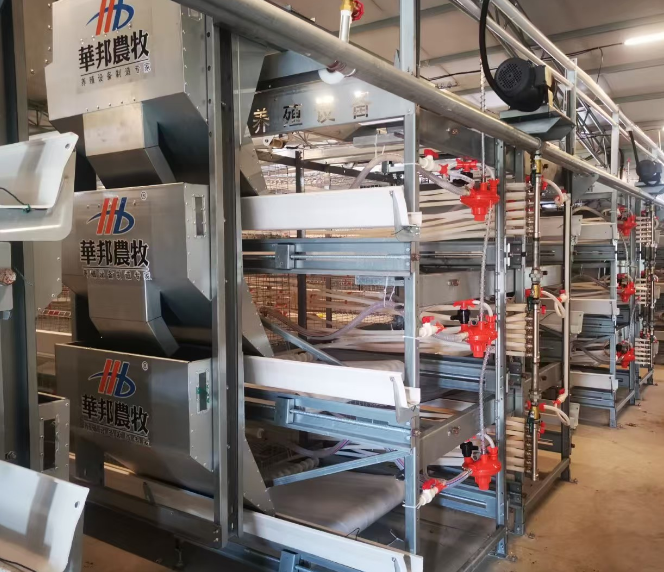
Match Chicken Cage Design to Your Farm’s Scale and Production Goals
Aligning cage type (H-frame, A-frame, floor-based) with flock size, growth phase, and target output
Picking out the right chicken cage setup really comes down to matching it with what kind of operation someone runs. Small scale farms with fewer than 5,000 chickens typically find A-frames or manual floor systems work best since they keep costs manageable and let farmers actually see what's going on day to day. These setups are popular among new businesses or specialty egg producers who want that hands on experience. When operations grow to around 5,000 to 20,000 birds, many switch to tiered H-frame designs because these configurations make good use of vertical space without needing fancy automation or big investments upfront. Big commercial operations with over 20,000 birds generally go for high density H type battery cages connected to automatic feeding systems so everything runs smoothly and saves time on labor. Getting the right number of tiers matters a lot depending on where the chickens are in their life cycle too. Young chicks need more room to move around and easier access points, whereas older laying hens do better in tighter spaces that have been properly arranged. For anyone planning to expand later, going with modular systems that have standard connections makes sense. These setups can be expanded easily when rotating flocks becomes necessary for maintaining productivity levels.
Balancing automation level with operational reliability—why mid-scale farms benefit from modular, serviceable chicken cage systems
Mid-scale farms face a distinct automation inflection point: full robotics reduce labor but introduce vulnerability—2023 poultry engineering studies show fully automated systems carry an 18% higher risk of unplanned downtime due to sensor failure, power dependency, and maintenance complexity. Semi-automatic modular cages deliver the optimal balance:
- Chain-driven feed distribution operates reliably without sensors or constant power
- Manual egg collection from accessible middle tiers maintains >99% retrieval rates
- Hot-swappable components enable repairs in under two hours—no flock disruption required
This approach cuts labor by 40% versus manual systems while preserving uptime. Prioritize galvanized steel frames with bolt-on drinkers and feeders: they withstand daily sanitation cycles and allow targeted part replacement between flocks—extending system life and simplifying long-term upkeep.
Prioritize Structural Integrity: Material Quality and Build Standards for Long-Lasting Chicken Cages
Hot-dip galvanized Q235 steel: corrosion resistance, wire diameter tolerances, and fatigue performance in high-humidity environments
When it comes to building lasting poultry houses, hot dip galvanized Q235 steel has become the go to choice across the industry. The zinc coating stands up really well against corrosion in those ammonia filled, damp barn environments. Field tests actually show these structures lasting 15 years or more with hardly any signs of wear according to Poultry Equipment Pro from last year. The wire diameters are manufactured with tight tolerances around plus or minus 0.1 mm which helps maintain consistent strength throughout and allows for expansion when temperatures change without causing warping issues. Laboratory fatigue tests have proven that this particular steel can handle over 10 thousand stress cycles before showing any deformation. That's about 30 percent better performance than what we see with cold dip options. And because of this durability, farmers report cutting down on replacement expenses by as much as 60 percent over five years when compared to cheaper alternatives on the market.
Weld strength verification, load-bearing frame design, and real-world deformation testing data
The premium cages go through weld strength checks that actually surpass ISO 17635 requirements when we apply simulated shear and tension forces during quality control. Our load bearing frames incorporate cross bracing along with reinforced joints capable of handling around 300kg per square meter. This kind of strength is really important for keeping those multi tier battery systems stable over time. When we put these through real world deformation tests, they show less than half a millimeter of deflection even at full flock capacity. That means no sagging which would otherwise get in the way of proper egg roll out and make collection much harder. Looking at tropical farm installations across several regions, our systems have maintained less than 2% structural failures after operating continuously for ten years straight. Compare that to the 15% failure rate seen in non certified alternatives, and it becomes pretty clear why serious poultry operations invest in properly engineered solutions from day one.
Optimize Labor Efficiency and Egg Quality with Proven Chicken Cage Automation Features
Today's chicken cage designs come with feeding and egg collection systems built primarily for reliability rather than just quick operation. When feed gets distributed evenly throughout the cage, it helps reduce bird-on-bird competition and lowers stress levels overall. The newer models feature special anti-clogging troughs plus inspection points that are much easier to reach, which means farmers spend about half as much time on maintenance compared to older systems according to recent poultry industry reports from 2023. All these improvements translate into better nutritional balance for the flock, more consistent bird sizes across the population, and ultimately higher egg production rates over time.
Feeding system reliability: uniform distribution, anti-clogging troughs, and maintenance frequency benchmarks
The precision augers work alongside dispensing systems that are finely tuned to deliver feed consistently throughout every row. The design includes tapered troughs which stop leftover feed from piling up, while special polymer gears have been built to resist damage from grain dust getting inside them, making these parts last much longer. All these improvements mean farmers can go about 150 hours between maintenance stops, cutting down on downtime by around two thirds compared to older manual systems. Real world testing shows farms using this equipment waste about 18 percent less feed overall, plus birds tend to grow more uniformly and reach their maximum egg laying potential faster too.
Egg collection precision: calibrated slope angles, belt speed synchronization, and impact-absorbing landing zones
Adjustable egg belts set at around 7 to 10 degrees help move products gently and consistently along the line. When belt speeds are properly synced, there's no risk of collisions while items are being transported. The landing areas have silicone padding that soaks up shocks, cutting down on broken eggs to just under 2%. That's way better than the standard 3.5 to 5% breakage rate seen in most basic systems. Looking at how fast things move through, automation collects eggs about 18% quicker than when done by hand. This means workers aren't stuck doing repetitive picking anymore but can tackle more important jobs throughout the facility, all while keeping those fragile eggs intact.
Ensure Bird Welfare and Air Quality Through Integrated Ventilation-Friendly Chicken Cage Layouts
Good ventilation isn't just something extra it's actually essential for animal health, worker productivity, and meeting regulations. When cages are arranged properly for airflow, they stop ammonia from building up and reduce the spread of germs through the air because fresh air can circulate throughout all levels. Putting cages at right angles to where the wind comes from helps create better airflow naturally. And spacing between tiers matters too many facilities have trouble spots where air doesn't move well. For bigger farms, using smart exhaust systems and adjustable vents keeps humidity under control which cuts down on breathing problems in animals maybe around 20% fewer cases according to some studies. Better ventilation also means less stress behaviors such as birds pecking at each other feathers, plus improved growth rates from better feed efficiency. Most modern setups include automatic sensors that warn when something goes wrong with the air system, but these only work if people actually remember to service the fans and ducts regularly as part of their routine checks.
Validate Supplier Trustworthiness: Warranty, Spare Parts, and Technical Support for Sustained Chicken Cage Performance
Real supplier trust doesn't come from flashy marketing promises but from actual protections after purchase. Take time to look at warranty details closely. The best companies typically provide around 10 years coverage for structural parts and about 2 to 3 years for mechanical systems, though they usually exclude things like belts or rollers that wear out fast. Check what their service level agreements say too. Top quality providers will promise getting someone onsite within 48 hours when something breaks down badly, and they should have clear goals for fixing problems. Some even aim to resolve 95 percent of issues during the first visit. Very important point actually: make sure there are spare parts available locally through some kind of inventory system that shows what's in stock where. Farms that can get replacement parts nearby for things like feeding rollers or egg belts tend to experience about 30 percent less downtime overall. Putting all these together robust warranties, quick service responses, and easy access to needed parts cuts down maintenance expenses across the lifespan by roughly 22 percent and keeps operations running smoothly according to research published in Poultry Management Quarterly last year.
FAQ
What are the key factors to consider when choosing a chicken cage design?
The key factors include your farm's scale, flock size, growth phase, production goals, and automation needs. Different designs like H-frame, A-frame, and floor-based systems suit various operation sizes and requirements.
Why is material quality important in chicken cage construction?
Material quality, such as hot-dip galvanized Q235 steel, is crucial for corrosion resistance, structural integrity, and durability, which helps reduce replacement costs and maintain performance over time.
How can proper ventilation affect bird welfare and productivity?
Proper ventilation reduces ammonia build-up and spreads fresh air, leading to improved bird health, minimized stress behaviors, better feed efficiency, and higher growth rates.
What should I look for in a chicken cage supplier?
A trustworthy supplier should offer robust warranties, quick service responses, and easy access to spare parts to ensure sustained performance and minimize downtime.
Table of Contents
- Match Chicken Cage Design to Your Farm’s Scale and Production Goals
- Prioritize Structural Integrity: Material Quality and Build Standards for Long-Lasting Chicken Cages
- Optimize Labor Efficiency and Egg Quality with Proven Chicken Cage Automation Features
- Ensure Bird Welfare and Air Quality Through Integrated Ventilation-Friendly Chicken Cage Layouts
- Validate Supplier Trustworthiness: Warranty, Spare Parts, and Technical Support for Sustained Chicken Cage Performance