
 EN
EN
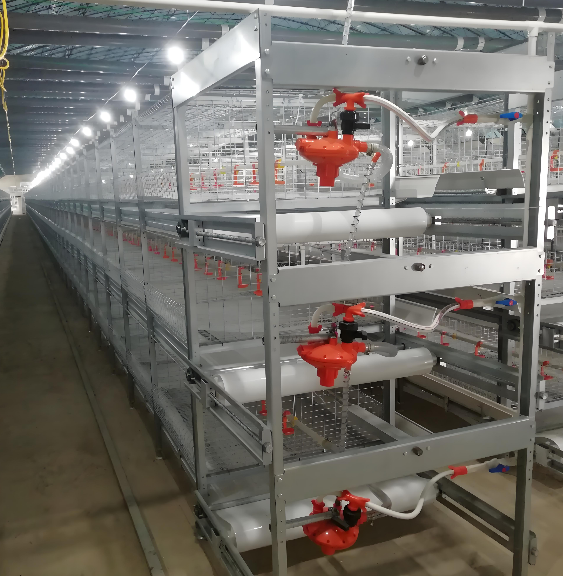
Structural Design & Scalability: Why H-Type Chicken Cages Dominate Commercial Layer Operations
Modular Stacking and Floor Space Optimization for High-Density Housing
The H type chicken cage system stacks birds vertically to get more space efficiency out of every square meter. Most setups can hold around 18 to 22 chickens per square meter and still meet basic animal welfare requirements. What makes these systems interesting is their modular approach. Farmers can just add more units as needed without tearing down existing structures or doing major renovations. When operations are stacked vertically like this, workers don't have to walk back and forth across large areas for feeding or collecting eggs, which saves time and effort. There are also special manure collection systems running under each level that help keep things organized and clean. For larger operations looking at thousands of birds, this kind of setup works really well because it cuts down significantly on the amount of land needed and keeps construction costs manageable when expanding facilities.
Galvanized Steel Construction: Corrosion Resistance and 15+ Year Service Life
H-type cages made from hot dip galvanized steel stand up well against the harsh conditions found in layer houses where ammonia and moisture constantly attack materials. The zinc coating creates a tough protective layer that keeps going even after repeated contact with bird droppings and strong cleaning solutions used throughout the facility. Stronger joints help these cages maintain their shape under heavy loads, while the smooth surfaces make it harder for bacteria to stick around. Farmers report getting at least 15 years out of these cages before needing repairs, sometimes much longer. This durability translates into real savings over time too. Industry studies show owners spend about 40 percent less on replacement costs compared to regular steel cages without this special coating, as noted in recent publications from the American Poultry Association.
Automation Integration: Feeding, Watering, and Monitoring Systems in Modern Chicken Cages
Automated Feeding: Precision Delivery and 8–12% Improvement in Feed Conversion Ratio (FCR)
Modern chicken cages equipped with precision feeding systems provide birds with just the right amount of food at exactly the right time based on their age, what stage they're in production-wise, and how much energy they actually need. These automated systems cut down on mistakes that happen when people measure feed manually and stop all that wasted grain from spilling everywhere. Studies done in controlled environments showed improvements in Feed Conversion Ratio somewhere between 8 to 12 percent according to research published back in 2021 in Poultry Science. When chickens get consistent nutrition day after day, they grow more evenly and lay eggs at predictable rates. Plus, farms with over 50 thousand birds can save a lot on labor costs too since workers don't have to spend hours checking feed levels constantly throughout the day.
Nipple Drinkers and Sensor-Linked Hydration Control: Reducing Waste by Up to 30%
Nipple drinkers that activate when touched help keep water clean and stop leaks, while built-in sensors track how much water animals actually drink and spot problems before they get serious. These systems cut down on wasted water by around 30% compared to traditional open troughs where water just sits there. When temperatures rise, the system adjusts the flow automatically so animals stay hydrated but don't get too much water at once. This also means less moisture ends up in their manure, which helps control ammonia levels in barns. Farmers notice better air quality overall, and fewer birds develop breathing issues in crowded housing conditions.
Environmental Management: Ventilation, Temperature, and Air Quality in Dense Chicken Cages
Cross-Ventilation + Real-Time Climate Feedback Loops for Heat Stress Mitigation
The cross ventilation setup in those H type cages really makes a difference when it comes to keeping the air moving consistently throughout the facility. These systems exchange old air at around 0.1 cubic meters per minute for each bird, which helps keep ammonia levels from getting too high. When ventilation isn't working properly though, ammonia concentrations can jump up by about a quarter, and that's bad news for both bird health and eggshell quality according to research published in Poultry Science back in 2022. The newer systems actually work alongside climate monitoring tech now. Sensors track temperature, humidity levels, and gases in the environment, then automatically kick in responses like turning on evaporative coolers or adjusting fan speeds. During hot weather events, this kind of system can bring down temperatures anywhere from 5 to 8 degrees Celsius pretty quickly. And when paired with exhaust cycles that adjust based on humidity readings, these modern setups not only maintain proper environmental conditions but also save roughly 20 percent on energy costs compared to traditional manual control methods.
Manure Handling & Sustainability: Efficient Removal and Resource Recovery from Chicken Cages
Belt Scraping vs. Flush Systems: Ammonia Reduction, Labor Savings, and Organic Byproduct Value
Belt scrapers get rid of manure every day through those enclosed conveyor belts, which cuts down ammonia emissions somewhere between 40 to 60 percent and saves about 70% of the manual work that would otherwise be needed (Poultry Science, 2023). The flush systems are great for massive operations since they clean things out quickly with water, though these do need some serious water recycling setup to make them work properly. What's interesting is how both approaches fit right into circular farming practices. When manure dries, it becomes this rich organic fertilizer, and there's also the option to run it through anaerobic digesters to turn waste into actual farm energy. Farmers who switch to either method typically see their fertilizer buying costs drop around 20%, plus they recover about 15% more nutrients from what they collect. Basically, what used to be just waste starts generating money instead of costing it.
FAQ
Why are H-type chicken cages preferred for commercial operations?
H-type chicken cages are favored in commercial operations due to their modular design, high-density housing efficiency, and reduced land and construction costs. They offer easy scalability without major structural changes.
How do galvanized steel cages benefit poultry farming?
Galvanized steel cages resist corrosion and have a long service life, often lasting over 15 years. They provide long-term cost savings on replacements compared to regular steel cages.
What advantages do automated feeding systems bring?
Automated feeding systems improve Feed Conversion Ratios by 8-12% and offer cost reductions in labor, ensuring precise delivery of nutrition and enhancing overall productivity.
How do modern chicken cages manage water usage?
Nipple drinkers and sensor-linked hydration control systems reduce water waste by up to 30%, maintaining cleaner conditions and enhancing air quality in dense housing setups.
Table of Contents
- Structural Design & Scalability: Why H-Type Chicken Cages Dominate Commercial Layer Operations
- Automation Integration: Feeding, Watering, and Monitoring Systems in Modern Chicken Cages
- Environmental Management: Ventilation, Temperature, and Air Quality in Dense Chicken Cages
- Manure Handling & Sustainability: Efficient Removal and Resource Recovery from Chicken Cages
- FAQ