
 EN
EN
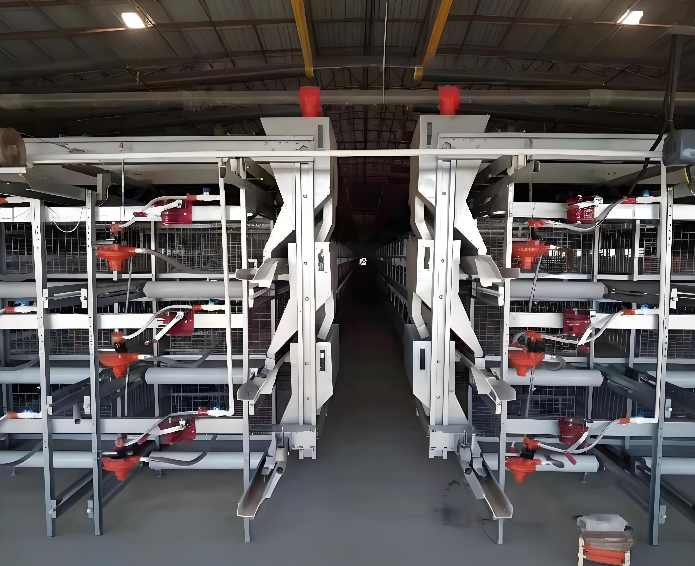
Feed Waste Reduction: Engineering Features That Maximize Efficiency
Covered Enclosures and Anti-Spill Edges Prevent Wind, Rain, and Poultry-Induced Spillage
New chicken feeder designs now come with covered tops and those raised edges around the sides to tackle the main reasons farmers lose feed: weather damage, how chickens naturally behave, and pests getting in. These covers protect against wind blowing feed away and rain soaking it up. A study from the Agronomy Journal back in 2023 found that open feeders can waste about 30% of their contents just from bad weather. Those anti-spill rims stick out about 2 or 3 inches above where the feed sits, stopping chickens from scratching everything out. Without them, farms often see between 15% to 20% of daily feed disappearing this way. With both features working together, the feed stays dry, doesn't get scattered everywhere, and keeps its nutritional value longer. That means less money spent on replacing lost feed and better quality for what remains. Plus, the higher edge stops wild birds and mice from jumping in, which helps prevent all sorts of contamination problems that make feed go bad faster.
| Feature | Function | Waste Reduction Impact |
|---|---|---|
| Covered Enclosure | Blocks rain/wind exposure | Prevents 25-30% spoilage |
| Anti-Spill Edges | Stops scratch-induced scatter | Reduces spillage by 15-20% |
| Elevated Rim Design | Deters rodents/contaminants | Eliminates ~10% access-related waste |
Modular Construction Enables Precision Feed Flow Control and Easy Sanitation
The modular design of these chicken feeders helps cut down on waste specific to each flock because they can be adjusted as needed. Farmers can tweak the flow gates and change tray heights so they deliver just the right amount of feed. This stops problems where too much gets wasted or not enough reaches the birds. Some studies show when farmers get this flow control right, their feed conversion rates go up between 12 and 18 percent simply because there's less extra feed being eaten unnecessarily. The parts come apart easily which means cleaning takes less than 15 minutes every week. That's way faster than older models that take over half an hour to clean properly. Better cleaning prevents bacteria and mold growth that used to contaminate around 8% of leftover feed sitting around. Plus, since individual parts wear out at different rates, farmers only need to replace what's broken rather than buying whole new systems. Most report their equipment lasts 3 to 5 extra years this way, saving money over time without compromising performance.
Labor Savings Through Automation and Smart Chicken Feeder Integration
Chicken feeder automation significantly reduces labor demands while enhancing consistency and welfare. Industry data shows automated systems cut daily labor requirements by 60-80%, largely through gravity-fed and auger-driven bulk feeders paired with self-regulating refill mechanisms that ensure reliable feed availability without manual intervention-tasks previously consuming 2-3 hours daily per 1,000 birds.
Automated Refill Systems and Gravity/Auger Bulk Feeders Cut Daily Labor by 60-80%
- Gravity-fed dispensers release feed only as birds consume it, preventing overflow and maintaining consistent trough levels
- Auger-driven systems deliver measured portions via timer-controlled screws, reducing refill frequency and human error
- Weather-resistant reservoirs hold 50-200 kg of feed, supporting 3-7 days of hands-off operation
App-Enabled Monitoring and Portion Scheduling Reduce Manual Intervention and Optimize Timing
Modern smart feeders use IoT sensors and cloud-based platforms to monitor real-time consumption, detect shortages, and adapt to flock dynamics. Farmers can remotely:
- Schedule feeding cycles aligned with natural activity peaks (e.g., dawn and dusk)
- Receive instant low-feed or system-failure alerts
- Adjust portion sizes by growth stage or seasonal needs
This data-informed approach prevents overfilling, tightens FCR, and lowers feed costs by 9-14%. Consistent, stress-free access also mitigates crowding and aggression-supporting better welfare and metabolic efficiency.
Behavioral Optimization: How Chicken Feeder Design Improves Feed Conversion Ratio (FCR)
Ergonomic Height, Nipple Placement, and Access Points Minimize Competition and Overconsumption
Good feeder designs actually work with how chickens naturally behave instead of fighting against their instincts, which cuts down on wasted food. When we put feeders at the right height behind the birds, it keeps them from bending over or stretching awkwardly to reach the food. This simple adjustment prevents a lot of the physical stress and mess that comes from those uncomfortable postures. For water systems that are built into the feeding setup, getting the nipples positioned just right makes all the difference. Chickens can drink when they need to without making a mess, and this helps keep the feed dry and nutritious. Some farms have seen as much as a 40% drop in spoiled feed since switching to these better designed systems, especially noticeable during hot summer months when moisture control becomes critical.
Multiple, evenly spaced access points-one per 6-8 birds-distribute feeding opportunities equitably. This prevents dominant birds from monopolizing resources and reduces stress-induced overconsumption among subordinates. Uniform intake supports consistent digestion, metabolic efficiency, and optimal nutrient absorption-directly improving FCR by eliminating behavioral and physiological drivers of feed waste.
FAQ
- Why are covered enclosures important for chicken feeders?
- Covered enclosures prevent wind and rain from damaging the feed, significantly reducing spoilage by 25-30%.
- How do anti-spill edges help in reducing feed waste?
- Anti-spill edges prevent chickens from scratching feed out of the trays, reducing daily feed spillage by 15-20%.
- What are the benefits of automated chicken feeders?
- Automated feeders greatly reduce labor, with systems cutting daily requirements by 60-80%, prevent overfilling, and provide a consistent feed supply.
- How does feeder design improve feed conversion ratio (FCR)?
- By optimizing feeder height and access, stresses are minimized, and nutrient absorption is heightened, directly improving feed conversion ratios.