
 EN
EN
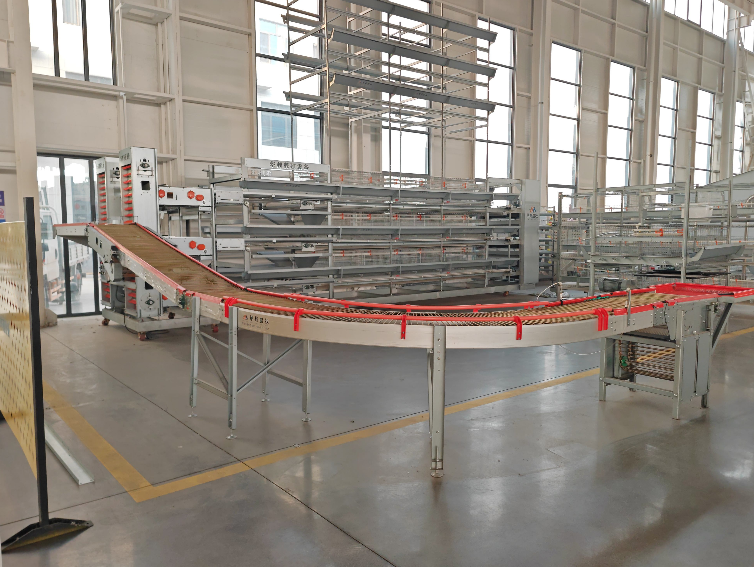
Layer Chicken Cage ROI: Faster Payback and Lower Cost Per Dozen Eggs
Capital Efficiency: How Modern Layer Chicken Cages Cut Lifecycle Cost Per Dozen by 22%
The modern layer chicken cage system brings real money savings over time thanks to smart design changes. These cages have special feeding systems that cut down on wasted feed by around 8 to 12 percent when compared to older methods. Plus, those movable nest boxes help keep broken eggs below 2 percent. When we look at the bigger picture, these systems also need 15 to 22 percent less energy overall and come with built-in ways to handle waste better. All these improvements mean farmers spend less on inputs throughout the 5 to 7 years they use the equipment. According to industry numbers, this actually results in about a 22 percent drop in what it costs to produce each dozen eggs, even though the upfront price tag is higher than traditional systems. Most mid-sized operations find that the extra money spent initially gets paid back through daily savings after just two or three full laying cycles.
ROI Timeline: Under 2.3 Years in Mid-Scale Operations (10,000â€"50,000 Birds)
Looking at the numbers tells us something interesting about those who upgrade to modern layer chicken cages. Take one medium sized farm operation for example they saw their investment pay off in just 14 months after putting automation into 30 percent of their barn space. The savings added up fast too around $18k a year from better labor management and feed efficiency alone. Egg production jumped by nearly 20 percent and profits per hen went up almost a third within three years. These aren't isolated cases either. Across the industry we see similar trends with most farms having bird populations between 10k and 50k seeing returns within less than two and a half years. Why does this happen so quickly? Well several factors work together here. Labor costs drop by over half when workers don't have to do as much manual work. Better disease control means vet bills go down about 30 percent on average. And hens stay productive longer their laying periods stretch out by 15 to 20 percent which makes all the difference in the long run. Farmers who got started early tend to beat their expected timelines by anywhere from a year to a year and a half proving that these integrated systems really can scale well across different farm sizes.
Layer Chicken Cage Performance: Higher Yield, Less Waste
3.7% Greater Hen-Housed Egg Production vs. Non-Caged Systems (FAO, 2023)
According to the Food and Agriculture Organization report from 2023, modern caged systems for laying hens actually boost egg output around 3.7 percent higher than what we see in free range setups. Why? Well, these systems have all sorts of environmental tweaks working in their favor. The lighting schedules are pretty much spot on for when hens lay eggs naturally, and those separate compartments help keep diseases from spreading so easily among the flock. Plus, enriched cages keep things at a comfortable temperature range somewhere between 18 and 24 degrees Celsius most of the time. That kind of stability makes a real difference too, extending the period during which hens produce their best eggs by about a month longer than in barns where temperatures fluctuate constantly.
92% Egg Collection Efficiency â€" Reducing Floor Eggs and Breakage by 32%
The automated roll away system for egg collection works at around 92% efficiency, which means workers spend about 43% less time manually gathering eggs. The special angled wire flooring directs the eggs straight onto the conveyor belts, so we see egg breakage drop below 5%. That's a huge improvement compared to traditional litter systems where breakage can hit nearly 40%. No more finding eggs on the floor either, since these floors prevent that problem completely. Floor eggs are actually one of the main ways bacteria spreads through the facility. According to European Food Safety Authority standards, farms using this system report about a 29% lower chance of salmonella outbreaks. Pretty impressive when looking at overall bird health and food safety concerns.
Labor & Operational Scalability With Automated Layer Chicken Cage Systems
62% Labor Reduction Per 10,000 Birds Through Integrated Feeding, Manure, and Egg Automation
Automated layer chicken cage systems achieve up to 62% labor reduction per 10,000 birds by integrating three critical processes:
- Feeding automation, delivering precise rations via programmed schedules
- Manure removal systems, using conveyor belts for continuous, hygienic waste clearance
- Egg collection conveyors, gently transporting eggs to central stations and maintaining breakage below 2%
Saving around 7.5 man hours every day means workers can focus on really important stuff like checking for disease risks and keeping tabs on how healthy the flocks actually are. The modular setup makes it easy to grow operations too. Farms just need to add another 500 birds at a time and everything keeps running smoothly through the automated systems. When they want to scale up, most setups can be adjusted within three days flat without losing that sweet spot of 62% workforce efficiency we've all been chasing. Take a medium sized farm that recently added 5,000 new birds to their operation. They saw their annual labor expenses drop by almost $18,200 without missing a beat in egg production numbers. And let's not forget about those standardized processes either. Workers spend roughly 40% less time getting trained and make about 31% fewer mistakes overall compared to when things were done manually back in the day.
Welfare-Forward Design: Enriched Layer Chicken Cages Improve Hen Health and Behavior
41% Lower Feather Pecking and Reduced Stress Markers (EFSA, 2022)
Enriched layer chicken cage systems significantly enhance hen welfare through science-driven design. The European Food Safety Authority’s 2022 study confirms these configurations reduce severe feather pecking by 41% compared to conventional cages. This behavioral improvement stems from integrated features that support natural activities:
- Perches and scratch pads enable dust bathing and foraging, decreasing boredom-related aggression
- Dedicated nesting areas provide seclusion during egg-laying, lowering corticosterone levels by 28%
- Optimized space allocation (750â€"900 cm² per hen) improves mobility and reduces keel bone fractures by 33%
These elements collectively diminish physiological stress markers, improve plumage condition scores by 19%, and decrease mortality rates by 38%â€"delivering healthier, more resilient flocks aligned with evolving welfare standards.
FAQ
What are the main benefits of modern layer chicken cages?
Modern layer chicken cages offer multiple benefits, including reduced feed waste, lower energy consumption, and improved waste management. They decrease the cost per dozen eggs and enhance egg production efficiency.
How quickly can farmers see a return on investment with these cage systems?
Most mid-sized farms see a return on investment within 14 months to 2.3 years, primarily due to savings on labor, feed, and disease control.
Do these systems improve hen welfare?
Yes, enriched layer chicken cages improve hen welfare by providing features like perches, scratch pads, and dedicated nesting areas, resulting in reduced feather pecking and stress markers.