
 EN
EN
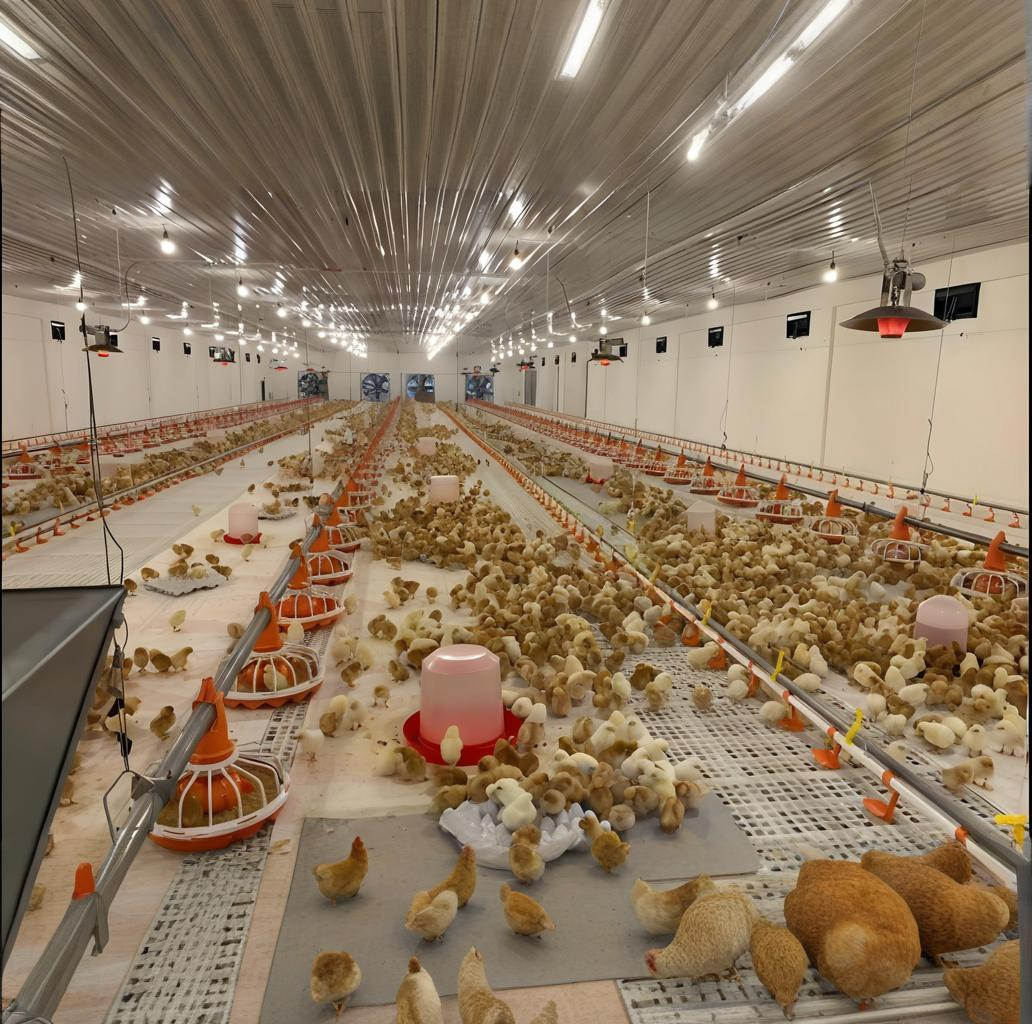
Sizing Your Chicken Coop: Matching Space to Flock Size and Breed Needs
Minimum Indoor and Run Space Requirements per Chicken
Having enough room matters a lot when it comes to keeping chickens healthy and happy. Inside coops should give each bird around 3 to 5 square feet of space, while their outside area needs about 8 to 10 square feet per chicken. This kind of space lets them do what comes naturally like rolling in dust, pecking around for food, and establishing their place in the pecking order without getting stressed out all the time. If chickens aren't able to go outside much, we need to bump up their indoor space by half again (so somewhere between 4.5 and 7.5 square feet per bird). More room inside helps make up for less freedom outside and keeps those pesky little fights and stress levels from going through the roof.
How Breed Size, Activity Level, and Temperament Influence Chicken Coop Dimensions
Breed-specific traits meaningfully shape spatial requirements-not just in square footage, but in vertical clearance, layout flow, and run complexity.
| Breed Size | Indoors (sq ft/bird) | Run (sq ft/bird) |
|---|---|---|
| Large (e.g., Orpingtons, Plymouth Rocks) | 4–5 | 10–12 |
| Medium (e.g., Leghorns, Sussex) | 3–4 | 8–10 |
| Small (Bantams) | 2–3 | 6–8 |
High-energy breeds like Leghorns benefit from longer, open-run designs that encourage flight and exploration; docile varieties tolerate more compact layouts but still require unobstructed access to roosts and nests. Flight-prone birds need ceiling heights of at least 6 feet and secure overhead netting to prevent injury during sudden takeoffs.
Risks of Under-Sizing: Stress, Aggression, Disease, and Declining Egg Production
Under-sizing triggers a predictable cascade of welfare and productivity failures:
- Escalated aggression: Overcrowding intensifies pecking order disputes, increasing feather loss, wounds, and cannibalism risk
- Respiratory disease: Ammonia buildup from concentrated droppings compromises lung function-studies link concentrations above 25 ppm to irreversible respiratory damage (Poultry Science, 2022)
- Reduced egg output: Chronic stress suppresses ovulation, with documented declines of up to 30% in severely confined flocks
- Maladaptive behaviors: Boredom and confinement manifest as egg-eating, stereotypic pacing, or excessive broodiness
Designing 'too big' is both safer and more future-proof-especially if you plan to expand your flock or integrate new birds.
Selecting the Right Chicken Coop Type for Your Lifestyle and Land
Traditional, Portable (Tractor), Modular, and Upcycled Coops Compared
Four core coop types serve distinct management philosophies:
- Traditional stationary coops offer durability, weather resilience, and ease of predator-proofing-ideal for large or long-term flocks-but limit pasture access without supplemental rotation.
- Portable tractors enable daily or weekly rotational grazing, improving soil fertility and reducing parasite loads; their lightweight builds demand careful attention to structural integrity and ventilation.
- Modular coops use standardized panels and connectors, allowing incremental expansion or reconfiguration as flock size or goals evolve.
- Upcycled coops (e.g., converted sheds or playhouses) lower upfront costs but require rigorous assessment: sanitation must eliminate prior pathogens, framing must support roost weight and wind load, and openings must be retrofitted with hardware cloth-not chicken wire-for true predator resistance.
When to Choose Permanent vs. Mobile Chicken Coop Solutions
For bigger flocks over 15 chickens, permanent coops work best in city or suburban backyards where there's not much room to move them around, or in areas with brutal winters. These setups need good insulation and solid foundations to keep things warm when temperatures drop below freezing. On the flip side, mobile chicken houses are great for people practicing regenerative agriculture techniques, folks with just a handful of birds under 10, or anyone needing something temporary. They really help maintain healthy soil and manage parasites effectively across different plots of land. According to research published in the 2023 Poultry Welfare Study, farms that let their chickens graze from spot to spot saw about 30% fewer parasite problems than those keeping birds confined in one place all year round. When deciding between options, several practical considerations come into play such as...
- Land availability: Mobile coops require sufficient, contiguous pasture for regular rotation
- Labor capacity: Tractors demand consistent relocation-often daily in warm months
- Predation pressure: Permanent installations allow deeper burial of hardware cloth, reinforced door frames, and integrated motion-sensor lighting
Critical Environmental Controls: Ventilation, Insulation, and Moisture Management
Why Balanced Ventilation and Targeted Insulation Are Non-Negotiable in Every Chicken Coop
Good ventilation and proper insulation actually go hand in hand rather than being opposing forces when it comes to maintaining stable conditions inside buildings. When there's no proper airflow across different areas, ammonia builds up fast from bird waste. Research shows that once ammonia concentrations pass 25 parts per million, actual damage starts happening to lung tissues within just a few days according to findings published in Poultry Science back in 2022. Getting fresh air moving through the space can slash ammonia levels by about half while also helping control those annoying temperature fluctuations we all hate. On the other side of things, good insulation stops heat from escaping through walls and ceilings. This matters most around where animals rest, since adding extra insulation there cuts down on energy needs by roughly thirty percent without causing any moisture problems. Ignore either aspect and trouble follows quickly. Bad ventilation leads to more condensation forming, and when moisture isn't controlled properly, it eats away at wooden structures, grows mold everywhere, and ends up responsible for nearly all building collapses in farm settings as noted by the U.S. EPA's Building Assessment Program reports.
Designing Effective Passive Airflow: Vents, Windows, and Ridge Placement
Passive ventilation leverages natural convection-warm, moist air rises and exits, drawing in cooler, drier air below. Optimize it with:
- Low-mounted intake vents (12-18" above floor), covered with 1/4" hardware cloth to deter predators
- Exhaust vents positioned along the roof ridge-the highest point-to maximize thermal buoyancy
- Total vent area of 1 sq ft per 10 sq ft of floor space, split evenly between intake and exhaust
- Southeast-facing windows for gentle morning solar gain without midday overheating
Avoid placing vents or windows directly above roosts to prevent chilling drafts. In humid climates, extend roof overhangs by 12 inches to deflect rain splash and reduce wall moisture absorption. Well-executed passive systems maintain relative humidity below 60%, inhibiting pathogen growth and preserving coop materials.
Functional Interior Layout: Nesting Boxes, Roosts, and Predator-Resistant Design
Properly sized and sited nesting boxes improve egg quality and collection efficiency. Provide one 12' x 12' x 12' box per 4-5 hens, located in low-traffic, dimly lit corners-away from drafts and foot traffic. Wooden boxes with removable, washable liners simplify cleaning and discourage broodiness when eggs are collected consistently.
Roosting Bar Specifications: Diameter, Height, Spacing, and Material Safety
Roosts should mimic natural branches: use 2-4" diameter hardwood (oak, maple, or locust) with bark intact for grip and foot support. Mount bars 2-4 feet above the floor, spaced 8-12" apart horizontally per hen. Avoid metal, plastic, or overly smooth wood-these increase frostbite risk in winter and slipping injuries year-round.
Hardware Cloth, Secure Latches, and Nighttime Protocols to Fortify Your Chicken Coop
Replace that wobbly chicken wire with proper 1/2 inch hardware cloth wherever critters might sneak in-windows, around the base of the house, and those air vents too. Secure it properly with screws and washers instead of temporary staples if we want something that lasts through seasons. For door security, sliding bolt latches work best when paired with overlapping strike plates. These little details really stop raccoons and opossums from getting past our defenses. Combine these physical barriers with regular checks. At sunset, count livestock or pets to make sure none went missing. Double check every door is actually locked down. And once a week, walk around looking for fresh dig marks or chewed spots near foundations. This kind of vigilance makes all the difference between keeping animals out and dealing with messes later.
Sustainable Chicken Coop Maintenance: Cleaning Schedules and Long-Term Durability
Regular upkeep keeps birds healthy, maintains coop integrity, and helps ensure good egg production over time. Weekly removal of dirty bedding is essential, and pine shavings or hemp fiber work well since they soak up mess without creating much dust. For monthly deep cleaning, go through nesting areas, perches, and flooring with proper poultry disinfectants such as diluted vinegar solutions or those containing peroxygen compounds. Avoid bleach at all costs because it can create toxic fumes when mixed with ammonia from droppings. Don't forget to do some extra checks throughout the seasons too. Look out for places where rodents might get in, signs of dampness behind walls, and any wood rot developing near floor supports or under the feeders and waterers.
The lifespan of structures depends heavily on what materials we choose and how forward thinking the design is. Cedar, redwood, or good quality pressure treated pine won't rot easily. Plastic composite siding holds up well too, and stainless steel nails last much longer than regular ones while making cleaning easier. Putting removable trays under the roosts makes a big difference. These trays catch droppings so they don't sit directly on wooden parts, which cuts down maintenance work and slows down the rotting process significantly. According to research from the Poultry Housing Research Consortium back in 2022, farms that keep things maintained properly see their chicken coops lasting around 20 percent longer than those that don't bother with regular care.
FAQ
1. How much space do chickens need in a coop?
Chickens typically need 3 to 5 square feet of indoor space per bird and 8 to 10 square feet per bird in the outdoor run.
2. How do breed characteristics affect chicken coop size?
Larger breeds like Orpingtons require more space, while smaller breeds like Bantams need less. High-energy breeds may also need more room for activity.
3. What are the risks of an undersized chicken coop?
Risks include increased stress, aggression, respiratory disease, and reduced egg production.
4. What coop types are available and which should I choose?
Choices include traditional stationary, portable tractors, modular, and upcycled coops. Selection depends on management needs and lifestyle.
5. Why are ventilation and insulation critical in a chicken coop?
They prevent ammonia build-up from waste, control temperature fluctuations, and protect health and coop structure.
Table of Contents
- Sizing Your Chicken Coop: Matching Space to Flock Size and Breed Needs
- Selecting the Right Chicken Coop Type for Your Lifestyle and Land
- Critical Environmental Controls: Ventilation, Insulation, and Moisture Management
- Functional Interior Layout: Nesting Boxes, Roosts, and Predator-Resistant Design
- Sustainable Chicken Coop Maintenance: Cleaning Schedules and Long-Term Durability
- FAQ