
 EN
EN
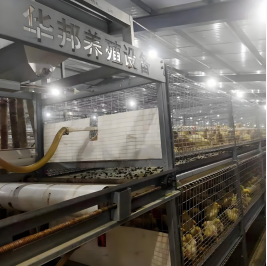
Optimal Broiler Chicken Cage Design for Enhanced Growth Performance
Structural Features That Minimize Stress and Improve Feed Conversion
The way structures are designed really affects how well broilers do both in terms of their health and productivity levels. Rounded corners help keep birds from getting hurt, and when bars are spaced properly according to bird size about 2 to 3 centimeters apart horizontally and around 5 to 6.5 vertically they can move naturally without trying to escape or getting stuck. This kind of setup cuts down on those sudden stress spikes that raise cortisol levels, which we know messes with feed efficiency. Studies done by WOAH show cages that minimize stress actually boost feed conversion rates by roughly 12 percent over regular cages that have sharp corners or too tight spacing between bars. Farmers who want better results should definitely consider these design elements.
Flooring Material and Slope: Supporting Leg Health and Natural Movement
The type of flooring used has a major impact on how broiler chickens develop their muscles and bones, especially during rapid growth phases. When farmers install textured plastic floors with good grip, it cuts down on those nasty slips that lead to bent legs and walking problems later on. Many poultry operations now incorporate a gentle slope of around 5 to 8 degrees throughout the housing area. This simple design helps waste move naturally towards collection points without needing extra cleaning. The result? Cleaner environments overall and birds that walk more normally instead of staying hunched up. Studies from Poultry Science back this up showing about a third fewer cases of foot pad disease compared to when using completely flat surfaces. Healthier feet mean better mobility for these fast growing birds.
Cage Height and Tier Configuration: Promoting Uniform Weight Gain
Getting the vertical space right matters a lot for consistent bird growth throughout the flock. When cages have at least 45 centimeters of headroom inside, chickens can stand straight without their backs getting compressed, which helps them maintain those natural standing positions they'd have if perched outside. For multi-level housing setups, keeping the climate stable from bottom to top becomes absolutely critical. We've seen that when there's more than 2 degrees Celsius difference between different tiers, it starts affecting how much weight birds gain commercially by as much as 15 percent. Proper air flow isn't something that can be tacked on after building the cages. The whole ventilation system needs to work together with how the cages themselves are designed to create balanced temperatures everywhere.
Single-Tier vs. Multi-Tier Cages: Evaluating Growth Consistency and Management Efficiency
| Design Aspect | Single-Tier | Multi-Tier |
|---|---|---|
| Stocking Density | 8–10 birds/m² | 12–15 birds/m² |
| Weight Uniformity | ±5% variance | ±8% variance1 |
| Labor Efficiency | Manual feeding/cleaning | Automated systems integrated |
Multi-tier configurations maximize land-use efficiency but demand precision-engineered ventilation to maintain uniform air quality and temperature across all levels. Single-tier systems simplify monitoring and intervention but reduce overall farm capacity by ~40%.
1 Variance increases in lower tiers without targeted airflow—particularly where NH₃ accumulation exceeds 15 ppm.
Space Allocation and Stocking Density in Broiler Chicken Cage Systems
Getting the right amount of space per bird matters a lot when it comes to how well broilers grow in cage systems. Studies across the industry point to something pretty consistent: keeping birds at around 38 to 45 kilograms per square meter seems to work best for converting feed into meat without slowing down growth rates. When farmers go beyond those numbers though, problems start showing up. Birds begin pecking at each other's feathers more often, move around less, and get into fights over food spots near the feeders. These behaviors aren't just annoying either they actually cut daily weight gain by somewhere between 7% and 12%, plus there are more cases of sore feet pads developing. Managing bird density properly isn't just about making money though. It also helps keep animals healthy enough to reach market weight evenly while still giving them enough room to rest comfortably and stay warm during colder periods.
Evidence-Based Density Guidelines: Balancing 38–45 kg/m² for Optimal Growth
The recommended weight range of 38 to 45 kilograms per square meter comes from years of research looking at how space affects chicken growth rates. Farmers find this sweet spot works well because it gives birds enough room for their bones to develop properly in those last few weeks before processing, yet still keeps them close enough to food and water without crowding issues. Going lower than 38 kg/m² just doesn't make sense economically speaking. The facilities end up underused, but there's hardly any difference in daily weight gain or feed conversion ratios anyway. Most producers see no real benefit worth the extra costs unless they're specifically concerned about animal welfare standards.
Behavioral Signs of Overcrowding and Their Impact on ADG and Welfare
When birds start panting constantly, spreading their wings, or bunching together tightly, it's usually a sign they're feeling the heat because there isn't enough fresh air space for each one. These behaviors are actually warning signs that come before we see actual drops in productivity. For instance, farmers might notice smaller breast muscles on chickens, higher feed conversion ratios meaning they eat more but grow less efficiently, and generally weaker immune systems across the flock. The problem gets worse over time too. Studies show that when birds live in cramped conditions for long periods, their blood corticosterone levels jump up around 15 to 20 percent. Corticosterone is basically nature's stress hormone, and when it spikes like this, animals tend to fight off infections worse and get sick more easily from gut-related diseases.
Ventilation and Microclimate Control in Broiler Chicken Cages
Managing CO₂, NH₃, and Humidity to Prevent 6.2% Average Daily Gain Loss (FAO, 2023)
When microclimates aren't properly managed, broiler growth just doesn't happen as efficiently within cage systems. High levels of carbon dioxide over 3,000 ppm and ammonia above 20 ppm really start to affect birds' breathing and they eat less food. Humidity that's either too dry or too wet also messes up how chickens cool themselves through evaporation. According to the Food and Agriculture Organization from last year, all these factors together lead to about a 6% drop in daily weight gain on average. Good ventilation needs to focus first on getting rid of those gases and excess moisture. Ammonia builds up much faster once the litter gets damp beyond 30% moisture content. That's why modern farms are installing real time sensors throughout their facilities. These networks let farmers tweak conditions constantly so air stays clean enough for healthy birds and productive operations.
Tunnel vs. Cross-Flow Ventilation: Performance in Multi-Tier Cage Setups
How ventilation is designed makes a big difference in how air moves through those stacked broiler cages. Tunnel ventilation creates airflow that goes straight down the length of the building, pushing air at speeds around 2 to 3 meters per second. This works really well for getting rid of heat from the top tiers. On the other hand, cross-flow systems bring air in through side walls horizontally, which spreads things out more evenly between tiers but doesn't reach such high speeds. When looking at multiple tiers together, tunnel systems tend to cut down temperature differences vertically by about 1.5 degrees Celsius on average. But here's something interesting about cross-flow setups they actually handle ammonia buildup better in the lower cages. Ammonia concentrations stay under 15 parts per million in these systems, which matters because that's where the real problems start happening with gas accumulation.
Temperature Gradient Management Across Cage Levels
Heat stratification remains a persistent challenge in vertically stacked broiler cages, with upper tiers averaging 3°C warmer than ground-level units. This gradient causes uneven weight gain: broilers in warmer zones increase water consumption by 5–7% but exhibit reduced growth rates due to chronic heat stress. Mitigation requires tier-specific interventions:
- Lower cages: Supplemental heating during brooding phases
- Middle tiers: Targeted airflow adjustments via adjustable inlet vents
- Upper cages: Evaporative cooling pads or misting nozzles
Active monitoring using multi-level sensors—combined with automated vent control—maintains ˜2°C differentials across all elevations, ensuring consistent metabolic efficiency and uniform development.
Integrated Management Practices for Maximizing Broiler Growth in Cage Systems
Feeding and Watering System Integration with Broiler Chicken Cage Design
When feeding and watering systems are built right into the cage design itself, animals experience less stress and get better nutrition overall. The programmable feed dispensers drop just the right amount of food at set times throughout the day, which cuts down on fighting between animals and saves about 18% in wasted feed when compared to old fashioned hand feeding. Water nipples placed near where they eat give them access to fresh water all day long something that really matters for proper digestion and getting nutrients from their food. Getting these systems working together properly leads to more consistent growth rates across the whole flock or herd, plus farmers spend less time managing feed and see fewer fluctuations in what each animal actually consumes daily.
Monitoring Growth Metrics and Adjusting Environmental Controls
Keeping tabs on weight gains, feed conversion ratios, and how active birds are helps manage their environment based on real data instead of guesswork. When sensors pick up changes from normal growth patterns like when FCR goes up by about 0.05 points or movement drops around 3%, it sets off alerts that prompt quick fixes to things like air flow, temperature settings, or light schedules. Take higher FCR readings for instance they usually mean the birds aren't comfortable with the heat. By tweaking the airflow so their body temps stay somewhere between 20 and maybe 24 degrees Celsius during those critical three to six weeks, we stop growth from slowing down and keep average daily gains over that magic number of 65 grams per day mark.
Biosecurity and Hygiene Protocols to Support Fast, Healthy Growth
Keeping things clean isn't just good practice it's essential for animals to grow properly over time. When manure gets removed automatically twice a day, the ammonia stays under control at around 10 parts per million or less. This makes a big difference because high ammonia levels irritate birds' lungs and actually make them eat less food. Farmers also implement several other protective steps like foot baths where workers dip their boots before entering barns, regular cleaning of tools, and restricted areas only for certain personnel. Research on poultry health shows these extra precautions cut down disease spread by about forty percent. And when facilities thoroughly clean everything after each batch of birds leaves, it helps maintain gut health so nutrients get absorbed better. All this contributes to faster weight gain and healthier animals overall.
FAQ
What is the recommended stocking density for broiler chickens in cage systems?
The recommended stocking density for broiler chickens in cage systems ranges from 38 to 45 kilograms per square meter to optimize growth and feed conversion rates.
How does cage height affect broiler chicken growth?
Proper cage height, at least 45 centimeters of headroom, allows chickens to stand straight without compressing their backs, promoting natural growth and weight gain.
What are the benefits of rounded corners in broiler chicken cages?
Rounded corners prevent injuries and stress, improving feed conversion rates by approximately 12% compared to cages with sharp corners.