
 EN
EN
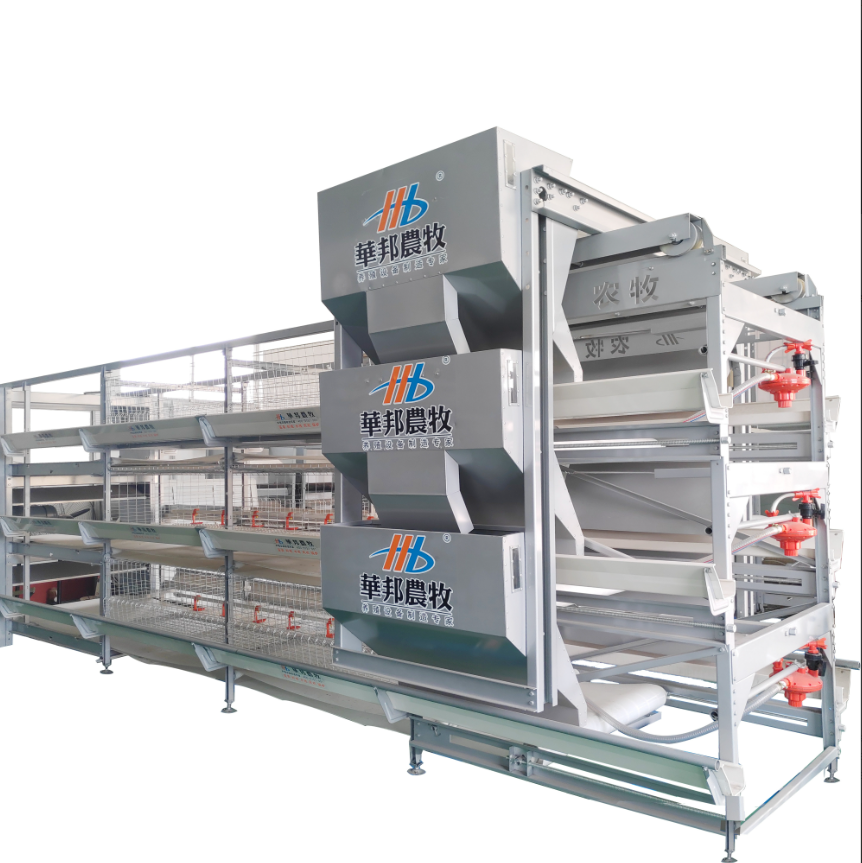
Environmental Control: How Broiler Chicken Cages Optimize Conditions for Faster Growth
Precision Temperature and Airflow Management in Multi-Tier Systems
The multi tier broiler cage systems create separate ventilation areas at different heights, which lets farmers control the climate on each level individually. These systems come with built in sensors that check temperature, moisture levels, and ammonia content constantly. When something needs adjusting, the system automatically changes damper positions and fan speeds to keep things stable. Keeping temperatures consistent within about half a degree Celsius makes a big difference. Studies have found that when baby chicks get too hot or cold, they actually spend around 15 to 20 percent of their food energy trying to stay comfortable instead of growing properly. Good airflow management stops those annoying damp spots where ammonia builds up beyond safe levels (around 25 parts per million). At that point, chickens tend to gain weight much slower according to lab tests. Compared to traditional floor housing, these enclosed cages allow warm air to circulate better during the early stages of chick development. This means farmers save roughly 30 percent on heating costs while still getting uniform growth across all birds in the house.
Reduced Floor Contact Lowers Energy Expenditure and Improves Feed Conversion Ratio (FCR)
When birds are raised on slatted floors instead of traditional litter, they don't have to expend energy walking through wet, uneven bedding material. Research shows this saves around 50 to 70 calories per bird every day. That extra energy gets used for building muscle mass instead of just keeping the body running. Feed conversion ratios typically improve by about 3 to 5 percentage points when comparing cage systems to conventional floor housing. The design also matters a lot. When feeders and waterers are elevated properly, there's less waste from spilled grain and nutrients stay intact longer. Plus, birds face fewer pathogens since their feet aren't constantly touching contaminated surfaces. Looking at actual farm data, commercial operations using well-designed cage systems often see feed conversion rates drop below 1.65. In contrast, farms relying on litter systems usually struggle with FCRs above 1.80. These differences translate directly into lower costs for producing each kilogram of live weight gain.
Health Protection: How Broiler Chicken Cages Reduce Mortality by Eliminating Key Risks
Litter-Free Design Minimizes Exposure to Coccidiosis and Other Pathogens
Broiler chicken cages help stop the spread of Eimeria spp., those pesky protozoans responsible for coccidiosis, simply because they cut off direct contact with litter. Research from the Poultry Health Review in 2023 showed something pretty interesting actually: flocks kept in cages had around 40% less chance of getting infected with coccidiosis than those on traditional floor systems. Why? Well, basically there's no way for feces to contaminate feed or water when birds aren't sitting in their own waste. When bedding stays dry and clean, bad bacteria such as E. coli and Salmonella just don't have what they need to grow and multiply. The result? Fewer sick chickens overall, less need for antibiotics, quicker cleaning after each batch, and better air conditions inside the barn since ammonia levels drop significantly too.
Structured Space Prevents Trampling, Vent Pecking, and Cannibalism
Tiered cage setups give each bird its own space, which cuts down on stress and fighting caused by overcrowding. When birds have controlled access to food and water sources, they don't compete as much for resources. Plus, separating them physically across different levels helps stop panics from spreading when something happens in one area. A recent study from 2023 found that these kinds of arrangements can cut cannibalism incidents by around 35 percent and almost completely stop deaths from trampling. Farmers also notice sick or hurt birds sooner because they can see everything happening clearly day after day. This means problems get fixed faster, and more birds survive overall.
Operational Efficiency: Enhanced Monitoring and Automation in Broiler Chicken Cage Systems
Today's chicken cage systems for broilers come equipped with smart sensors connected to the internet along with various automated features that make daily operations easier without hurting animal welfare standards. These setups constantly watch over the climate inside the cages keeping things pretty much steady around 1 degree Celsius variation in temperature plus maintaining proper moisture levels. Special devices track what chickens eat and drink throughout the day, picking up on any strange changes that might indicate health problems long before anyone notices anything wrong visually. The automatic feeding system knows exactly how much food each bird needs depending on their size, which cuts down wasted grain by about a third and saves workers from spending hours manually distributing feed - this alone reduces labor needs by roughly two thirds compared to old methods. There are also moving belts that clean out chicken droppings nonstop, so there's less chance of germs building up and creating disease problems. All these tech upgrades together typically boost feed conversion rates between 7 to 9 percent while allowing farm staff to spend more time on important decisions rather than basic maintenance tasks. This shows why many farms are turning to specialized automation solutions when they want better profits without sacrificing quality in large scale operations.
Evidence-Based Impact: Growth and Survival Gains Validated by Commercial Trials
Meta-Analysis of 12 Studies: +4.2% Average Daily Gain and 3.1% Mortality vs. Floor Rearing
Looking at data from 12 different commercial trials involving around half a million broilers in various locations and management setups shows that cage systems for chickens have real benefits. The numbers tell quite a story actually: birds raised in cages gained weight about 4.2% faster than those on the floor, and there was a noticeable drop in deaths too, around 3.1%. These differences weren't just random either; they held up under statistical testing. When we translate that lower death rate into actual numbers, it means getting an extra 31 healthy birds ready for market out of every thousand put in. That kind of difference makes a tangible impact on both production volume and profits for farmers.
These gains stem from two interdependent mechanisms: first, optimized thermal and airflow conditions reduce maintenance energy expenditure; second, the litter-free environment suppresses transmission of coccidiosis and other enteric pathogens. Combined, they elevate cumulative live weight per production cycle by 6–9%. The table below summarizes key validated outcomes:
| Performance Indicator | Improvement vs. Floor Rearing | Commercial Impact |
|---|---|---|
| Average Daily Gain | +4.2% | Shorter production cycles (5–7 days) |
| Mortality Rate | 3.1% | 31 more market-ready birds per 1,000 |
| Feed Conversion Ratio | Enhanced by 2–4 points | Reduced feed costs per kg of gain |
These findings reflect peer-reviewed trial data and field validation affirming broiler chicken cages as an evidence-backed solution for improving productivity, animal health, and operational resilience in modern poultry production.
FAQ Section
What are the benefits of broiler chicken cages for growth? Broiler chicken cages optimize conditions such as temperature control and airflow management, leading to faster growth and reduced energy expenditure compared to traditional flooring systems.
How do cage systems improve feed conversion ratios? Cage systems reduce energy expenditure and minimize waste from feed and water, improving feed conversion ratios by 3 to 5 percentage points.
Why do cage systems lower mortality rates? Cage systems reduce exposure to pathogens by minimizing litter contact and providing structured space to prevent stress and injury, resulting in lower mortality rates.
What technological advancements are present in modern cage systems? Modern cage systems feature smart sensors, automated feeding systems, and moving belts to enhance operational efficiency and monitor health conditions.
Table of Contents
- Environmental Control: How Broiler Chicken Cages Optimize Conditions for Faster Growth
- Health Protection: How Broiler Chicken Cages Reduce Mortality by Eliminating Key Risks
- Operational Efficiency: Enhanced Monitoring and Automation in Broiler Chicken Cage Systems
- Evidence-Based Impact: Growth and Survival Gains Validated by Commercial Trials