
 EN
EN
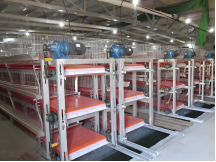
The Role of Automated Manure Belts in Cutting Daily Labor Needs
The latest chicken cage setups in modern poultry operations rely on automated conveyor belts that haul away manure from barns about four to six times each day, so farmers don't have to scrape it all by hand anymore. Industry reports from last year show these belt systems cut down on labor needs anywhere between thirty to sixty percent when compared to older methods. The systems come equipped with special anti-jam features that keep things running smoothly, and their modular construction means most farms can expand operations without tearing apart what they already have installed.
Measuring Labor Savings and Efficiency Gains on Commercial Egg Farms
On a typical 10,000 bird operation, farms using automated manure systems need only around 1.2 hours of daily work for waste handling, compared to nearly 5 hours when doing it manually with scrapers. That kind of time saving makes a big difference. Workers can spend their days checking on the flock's health instead of constantly cleaning up after them. Looking at actual numbers from operations across the country, farmers report saving roughly $18,200 each year on labor costs for every 5,000 birds they automate. Most systems run reliably too, staying operational about 94% of the time according to industry reports. These savings really add up over time, especially as feed prices keep going up and down.
Case Study: 40% Reduction in Cleaning Time on a 10,000-Bird Farm Using Self-Cleaning Cages
A Midwest egg producer reported significant improvements after upgrading to automated layer chicken cages:
- Manure removal time: Reduced from 28 to 17 hours/week
- Ammonia levels: Maintained below 15 ppm (vs. 35 to 50 ppm in manual systems)
- Worker productivity: Increased egg collection rates by 22%
The automated system paid for itself in 14 months through labor savings and reduced veterinary costs due to improved hygiene.
Calculating ROI for Layer Chicken Cage Systems with Manure Removal
The table below compares costs for conventional vs. automated systems over five years (10,000-bird capacity):
| Cost Factor | Conventional System | Automated System |
|---|---|---|
| Initial installation | $12,800 | $34,500 |
| Annual labor | $41,200 | $16,300 |
| Disease treatment | $8,700 | $3,100 |
| 5-year total | $301,500 | $187,000 |
Automated manure removal delivers a 38% lifetime cost reduction, with most farms achieving full ROI within 18 to 26 months through labor savings and improved flock performance.
Improving Poultry Health Through Continuous Manure Management in Layer Chicken Cages
How Accumulated Manure Contributes to Pathogen Growth and Disease Spread
Stagnant manure in layer chicken cages creates a breeding ground for pathogens—Salmonella populations multiply by 400% within 72 hours in untreated waste (Poultry Science, 2023). Automated systems eliminate this risk by removing waste before bacterial colonies reach critical mass, reducing cross-cage contamination by 58% compared to weekly cleaning.
Reducing Ammonia Levels and Respiratory Issues with Daily Manure Extraction
Keeping ammonia levels under control is essential for bird health since concentrations above 10 ppm can really harm their respiratory systems. Poultry farms that have switched to automated belt systems see around 34 percent fewer instances of eye problems in chickens and about 19 percent less dust exposure for workers, based on research from the 2022 Occupational Health Review. When manure gets removed regularly throughout the day, it stops those dangerous ammonia spikes that end up damaging birds' lungs over time. This kind of consistent maintenance makes a big difference in both animal welfare and worker safety conditions.
Evidence-Based Insight: 30% Lower E. coli Rates in Automated Removal Systems
A 2023 study across 42 commercial farms found automated layer chicken cage systems achieve 30% lower E. coli contamination rates than manual methods. By removing manure before pathogen colonization completes—typically within 18 to 24 hours after defecation—these systems disrupt the bacterial life cycle effectively.
Key Design Features of Modern Layer Chicken Cages That Enhance Cleaning Efficiency
Modern layer chicken cage systems integrate specialized engineering to minimize labor while maximizing hygiene. These designs optimize waste management through intelligent materials and automation.
Sloped Wire Flooring for Natural Manure Shedding
Angled wire flooring (8 to 12°) uses gravity to shed 92% of manure instantly, cutting daily scraping needs by 50% compared to flat surfaces (Poultry Science Journal 2023). The self-cleaning slope prevents buildup that harbors pathogens while ensuring secure footing for hens.
Conveyor Belt Integration and Timed Manure Removal Cycles
Programmable conveyor systems remove waste at 2-hour intervals, reducing labor costs by 40% on mid-sized farms (USDA 2023). Timed cycles align with flock activity to minimize disturbance, while sealed belts direct waste to centralized collection points, lowering ammonia exposure.
Galvanized Steel vs. Plastic-Coated Mesh: Best Materials for Hygiene and Durability
Galvanized steel offers over 20 years of corrosion resistance, but plastic-coated surfaces retain 30% less E. coli in trials (Applied Poultry Research 2022). Non-porous coatings prevent bacterial entrapment, though UV-stabilized formulations are essential for sun-exposed installations.
Automated vs. Traditional Manure Management: A Performance and Cost Comparison
Labor and Time: Manual Scraping vs. Belt-Based Automated Removal
Manual scraping requires 15 to 20 weekly labor hours per 1,000 birds, while automated belt systems reduce this to 2 to 3 hours. A 2023 study of mid-sized farms found belt-based removal cut annual labor costs by 30% ($18,000 ‘ $12,600) and improved worker safety. Eliminating repetitive tasks allows staff to focus on flock health and equipment maintenance.
Water Use and Environmental Impact of Different Cleaning Methods
Traditional pressure washing consumes 500 to 700 gallons monthly per 1,000 birds, versus 50 to 100 gallons for closed-loop belt systems. This 85% water reduction lowers wastewater treatment costs and helps farms comply with EPA agricultural runoff regulations. Automated removal also reduces ambient ammonia by 40% (Poultry Science, 2023), decreasing respiratory disease risks.
5-Year Cost Analysis: Long-Term Savings of Automated Layer Chicken Cage Systems
While automated systems require a $6 to $8/bird upfront investment compared to $2 to $3 for manual setups, they deliver ROI within 18 to 24 months through:
- Labor savings: $5,200 annual reduction per worker
- Water costs: $1,800 to $2,500/year lower
- Disease mitigation: 22% fewer vet visits (AgTech ROI Report, 2023)
Over five years, a 10,000-bird farm saves $74,000 to $92,000 with automated systems—even after accounting for belt replacements and motor maintenance.
FAQ
What are the key benefits of using automated manure removal systems in layer chicken cages?
Automated manure removal systems reduce labor costs by 30-60%, improve hygiene by minimizing manure accumulation, and expedite farm operations. They also maintain lower ammonia levels, which are essential for bird health, and help in achieving better flock performance and reduced veterinary costs.
How do automated systems improve poultry health?
By continuously managing manure, these systems eliminate stagnant waste that fosters pathogen growth, thereby reducing disease spread by up to 58%. They also maintain safe ammonia levels, decreasing respiratory issues among birds.
What's the average ROI time for installing an automated manure removal system?
Most farms achieve a complete return on investment within 18-26 months, thanks to labor savings and improved flock health and performance.
What is the impact on water usage with automated systems compared to traditional methods?
Automated systems significantly cut down on water usage, reducing it by 85% compared to traditional pressure washing methods, which is beneficial for both environmental compliance and cost savings.
Table of Contents
- The Role of Automated Manure Belts in Cutting Daily Labor Needs
- Measuring Labor Savings and Efficiency Gains on Commercial Egg Farms
- Case Study: 40% Reduction in Cleaning Time on a 10,000-Bird Farm Using Self-Cleaning Cages
- Calculating ROI for Layer Chicken Cage Systems with Manure Removal
- Improving Poultry Health Through Continuous Manure Management in Layer Chicken Cages
- Key Design Features of Modern Layer Chicken Cages That Enhance Cleaning Efficiency
- Automated vs. Traditional Manure Management: A Performance and Cost Comparison
-
FAQ
- What are the key benefits of using automated manure removal systems in layer chicken cages?
- How do automated systems improve poultry health?
- What's the average ROI time for installing an automated manure removal system?
- What is the impact on water usage with automated systems compared to traditional methods?