
 EN
EN
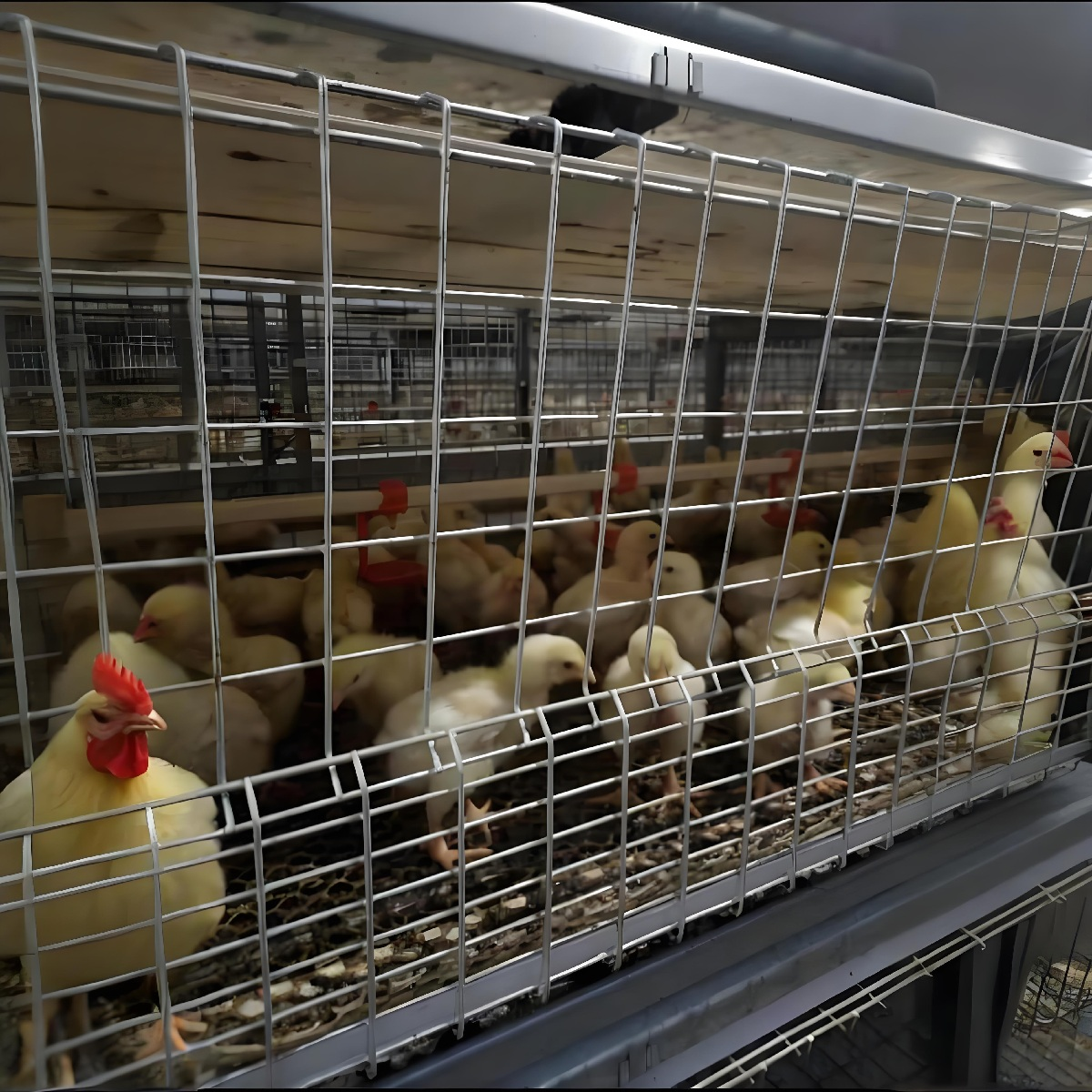
Material Quality and Structural Durability of Poultry Equipment
Corrosion-Resistant Materials for Feeders, Drinkers, and Cages in High-Humidity Environments
In high-humidity poultry houses, ammonia and moisture rapidly degrade unprotected metal. Hot-dip galvanized steel has become the standard for cages and structural components because its zinc–iron alloy layers provide a robust, self-healing barrier. Industry benchmarks show that a zinc coating thickness of 280 g/m² delivers an average service life of 20 years—even under continuous ammonia exposure. For feeders and drinkers, food-grade stainless steel (e.g., AISI 304) and high-density reinforced plastics are preferred: they resist pitting, chemical attack, and microbial retention while supporting rigorous cleaning protocols. A 2023 operational survey found farms using galvanized drinker lines and plastic pan feeders reported 40% fewer component failures over five years compared to those using plain-steel alternatives. When corrosion is controlled, daily cleaning becomes more efficient, and the risk of structural collapse from rusted welds is virtually eliminated. Selecting materials tested specifically for high-ammonia, high-humidity environments is a foundational step that directly influences long-term profitability and biosecurity resilience.
Load-Bearing Capacity and Long-Term Integrity for High-Density Broiler and Layer Housing
Modern high-density housing demands equipment that withstands heavy static and dynamic loads without deformation. Cage systems are typically rated for a minimum load capacity of 120 kg/m²—ensuring tiered structures safely support thousands of birds in compact footprints. Galvanized steel frames with reinforced cross-bracing exhibit an annual corrosion loss as low as 0.02 mm/year, preserving structural integrity over decades. Accelerated life-cycle testing (2022) confirms that properly coated cages maintain their designed load rating for over 15 years, even under twice-daily manure removal. In broiler and layer houses, the combined stress of bird weight, litter accumulation, and frequent equipment movement makes long-term rigidity non-negotiable. Farms adopting high-strength polypropylene belts in manure-handling systems report minimal sagging and reduced downtime. This reliability is critical at scale: a single collapsed tier can trigger weeks of production disruption. Prioritizing load-tested materials and engineered bracing enables safe density expansion—supporting both animal welfare and lower total cost of ownership.
Regulatory Compliance and Biosecurity Readiness of Poultry Equipment
Certification Alignment: ISO 22000, ASAE S384.2, and Regional Biosecurity Standards
Verifying certification alignment is a critical step when ordering wholesale poultry equipment—it directly determines a facility’s biosecurity readiness and market access. Equipment should be designed to support the hazard-prevention principles of ISO 22000, the international food safety management standard applicable across the feed-to-farm supply chain. A 2023 multi-country European study confirmed that equipment geometry—particularly the presence of crevices, seams, or inaccessible surfaces—significantly impacts the efficacy of on-farm cleaning and disinfection protocols (Delpont et al., 2023). Mechanical components must also comply with engineering hygiene standards such as ASAE S384.2, which specifies design criteria for agricultural equipment—including smooth, non-porous surfaces and fully drainable assemblies—to minimize pathogen harborage.
Beyond global norms, regional biosecurity mandates increasingly require specific material porosities (e.g., ≤0.5 µm for contact surfaces), integrated automated disinfection interfaces, and traceable material certifications. Aligning with both international standards and local regulatory expectations ensures that bulk poultry equipment investments remain compliant, auditable, and resilient against evolving disease threats—without requiring costly retrofits.
Operational Efficiency: Maintenance, Energy Use, and Animal Welfare Integration
Modular Design, Tool-Free Adjustments, and Spare Parts Availability from Tier-1 Suppliers
Operational continuity in large-scale poultry farming hinges on how quickly routine adjustments and unexpected repairs can be executed. Equipment engineered with modular architecture allows individual components—such as auger motors, nipple drinker circuits, or feeding pan assemblies—to be replaced or upgraded without dismantling entire production lines. This approach significantly reduces mean time to repair (MTTR). A 2023 industry analysis found modular designs cut system downtime by up to 30% versus integrated, non-modular alternatives. Tool-free adjustment mechanisms—on feed lines, ventilation inlets, and cage height settings—further accelerate responsiveness: farm staff can modify feeder heights or airflow patterns in seconds, maintaining precise environmental control as birds grow. Yet design superiority depends entirely on supply chain execution. Best-practice procurement requires verification that Tier-1 suppliers maintain regional distribution centers with a guaranteed 95% fill rate on critical spares—including specialized sensors, control boards, and VFD modules—to convert potential crises into routine maintenance events.
Energy-Efficient Components (VFDs, LED Lighting) and Welfare-Centric Features (Beak-Proofing, Ventilation Safeguards)
Integrating energy-efficient components with welfare-centric design delivers measurable dual benefits: lowering operating costs and improving flock performance. Motors account for the largest share of electrical consumption in poultry housing, making Variable Frequency Drives (VFDs) a high-impact upgrade. By dynamically matching exhaust fan speed to real-time ventilation demand, VFDs reduce energy use by up to 50% compared to fixed-speed, single-phase alternatives. When paired with programmable, flicker-free LED lighting systems—capable of dimming and circadian scheduling—total electricity usage drops 15–25% annually. These savings are amplified by welfare-integrated features. Beak-proofing via reinforced polymer edges on feeders and drinkers prevents destructive pecking that damages equipment and restricts feed access. Equally vital are automated ventilation safeguards: redundant temperature sensors, static pressure monitors, and fail-safe curtain-drop mechanisms ensure air quality and thermal neutrality are maintained even during power fluctuations or controller faults. As confirmed in a 2024 livestock welfare review, such safeguards are foundational to preventing heat stress mortality and respiratory challenges—directly preserving flock uniformity, livability, and marketable yield.
Vendor Support and Scalable Deployment for Wholesale Poultry Equipment
When sourcing wholesale poultry equipment, the reliability of after-sales infrastructure and the ability to scale seamlessly determine long-term operational success. Two critical factors—comprehensive support frameworks and farm-specific expandability—should be evaluated closely.
After-Sales Infrastructure: On-Site Commissioning, Remote Diagnostics, and <24-Hour Critical SLAs
Robust after-sales infrastructure is non-negotiable. On-site commissioning ensures complex feeding, watering, and ventilation systems are installed correctly and calibrated precisely to the farm’s layout and climate profile. Remote diagnostics—enabled by secure, cloud-connected controllers—allow technicians to identify root causes, push firmware updates, and guide field staff through troubleshooting in real time, minimizing downtime. The most reliable suppliers commit to service-level agreements (SLAs) guaranteeing technician dispatch within 24 hours for critical failures affecting ventilation, feed delivery, or water supply. Spare parts availability must be verified—not just promised—with regional warehouses enabling same-day dispatch for high-turnover components. A partnership with a Tier-1 supplier should include proactive maintenance audits, operator training, and digital documentation access. As shown in a 2023 industry survey, operations backed by structured SLAs experienced 40% less unplanned downtime than those relying on ad hoc vendor support.
Farm-Scale Matching: Broiler vs. Layer Requirements, Batch Size Flexibility, and Future-Proof Expandability
Farm-scale matching goes beyond dimensions—it reflects biological and operational realities. Broiler housing requires equipment built for rapid growth, high density, and aggressive litter management: robust ventilation capacity, fast-response feed lines, and durable floor systems. Layer operations demand precision: gentle egg collection mechanisms, programmable lighting controls aligned with photostimulation curves, and low-stress transfer pathways. The best equipment platforms flexibly accommodate varying batch sizes—from small pullet rearing flocks to commercial-scale multi-tier operations—without sacrificing control or efficiency. Modular designs allow farms to add tiers, extend battery cage lines, or integrate new sensor networks without replacing legacy infrastructure. This future-proof expandability ensures capital investments grow with the business—not against it. Suppliers offering custom layout optimization, engineering support, and phased deployment planning help maximize bird capacity within existing facilities—turning spatial constraints into scalable opportunities.
Frequently Asked Questions
What materials are best for poultry equipment in high-humidity environments?
Hot-dip galvanized steel, food-grade stainless steel (e.g., AISI 304), and high-density reinforced plastics are ideal due to their resistance to corrosion, microbial retention, and chemical attacks.
How can long-term integrity be maintained in high-density poultry housing?
Using cage systems with a minimum load capacity of 120 kg/m², galvanized steel frames with reinforced cross-bracing, and high-strength polypropylene belts ensures durability in high-density housing environments.
What certifications are necessary for poultry equipment?
Poultry equipment should comply with ISO 22000 for food safety, ASAE S384.2 for engineering hygiene, and regional biosecurity standards to ensure proper design, pathogen prevention, and regulatory compliance.
How can energy efficiency and welfare be balanced in poultry equipment?
Integrating Variable Frequency Drives (VFDs), programmable LED lighting, beak-proofing, and automated ventilation safeguards ensures energy efficiency while improving animal welfare and system reliability.
What role does vendor support play in sourcing poultry equipment?
Reliable vendor support, including on-site commissioning, remote diagnostics, and quick response SLAs, ensures minimal downtime and maximum efficiency, which is essential for long-term operational success.
Table of Contents
- Material Quality and Structural Durability of Poultry Equipment
- Regulatory Compliance and Biosecurity Readiness of Poultry Equipment
- Operational Efficiency: Maintenance, Energy Use, and Animal Welfare Integration
- Vendor Support and Scalable Deployment for Wholesale Poultry Equipment
-
Frequently Asked Questions
- What materials are best for poultry equipment in high-humidity environments?
- How can long-term integrity be maintained in high-density poultry housing?
- What certifications are necessary for poultry equipment?
- How can energy efficiency and welfare be balanced in poultry equipment?
- What role does vendor support play in sourcing poultry equipment?