
 EN
EN
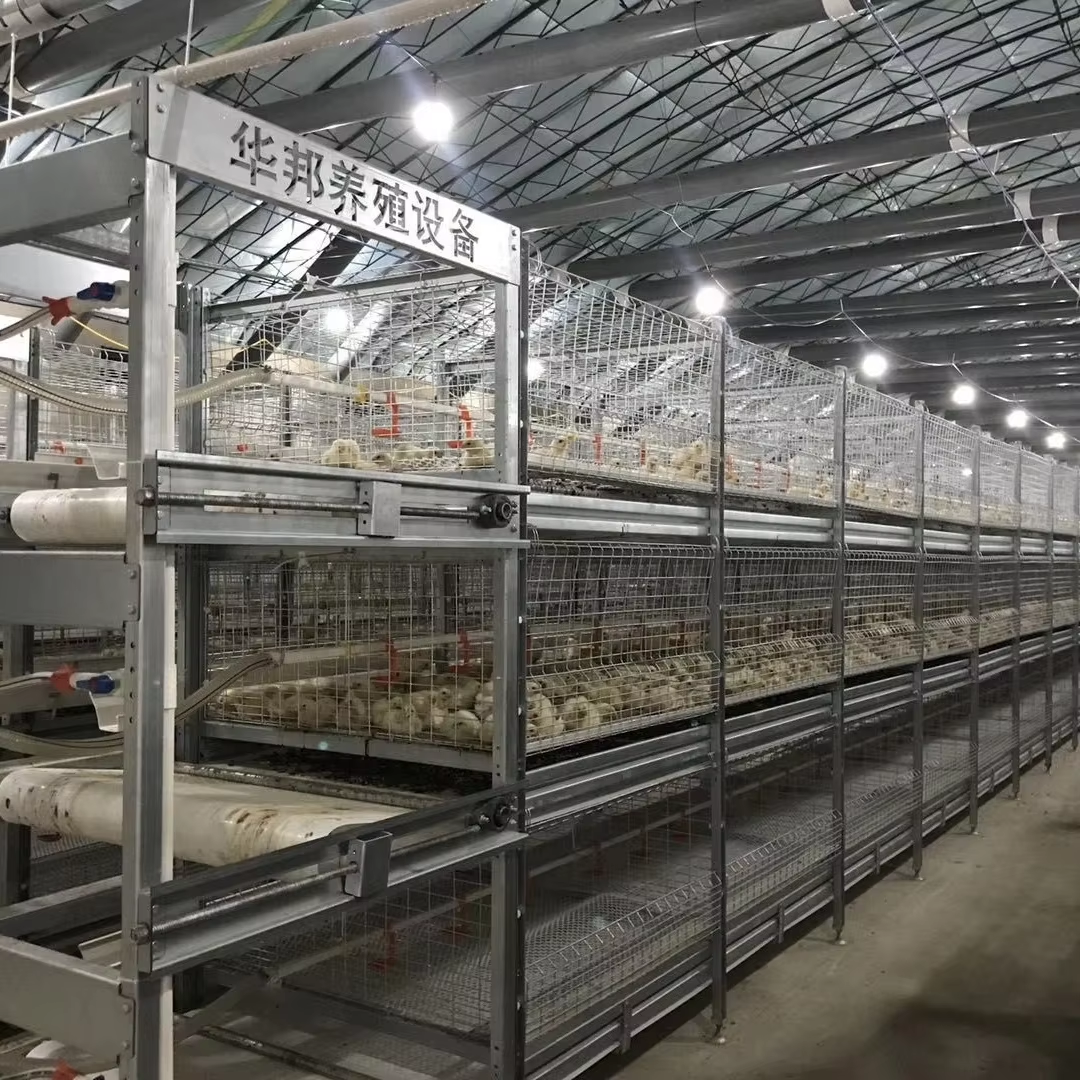
How Galvanization Delivers Superior Anti-Corrosion Protection in Poultry Environments
Zinc Coating Science: Neutralizing Ammonia, Moisture, and Acidic Waste in Chicken Cage Systems
The severe corrosion inside poultry houses stems from a potent mix of ammonia gas, high humidity, and acidic manure (pH 4.5–6.0). Galvanized chicken cage systems neutralize these threats through a triple-action zinc coating: first, a continuous physical barrier seals steel from moisture and corrosive chemicals; second, zinc sacrificially corrodes before the underlying iron—even at scratches—acting as a built-in anode; third, the coating develops a dense, stable patina of zinc carbonate hydroxide that further slows degradation. A 2023 study in the Metals Protection Journal recorded a corrosion rate of just 0.03 mils per year for galvanized steel in poultry housing, compared to 1.2 mils per year for bare steel—a 94% reduction. Independent testing confirms these cages retain 94% of their original strength after eight years in 85% humidity, while powder-coated alternatives drop to only 37% structural integrity (2024 Midwest farm analysis). This durability directly reduces replacement frequency and supports long-term biosecurity.
Electrochemical Sacrificial Protection vs. Passive Barrier Defense
The superiority of hot-dip galvanizing lies in its dual defense mechanism—unlike simple passive coatings. The table below contrasts the two approaches.
| Feature | Sacrificial Protection (Zinc) | Passive Barrier (Paint/Powder) |
|---|---|---|
| How it works | Zinc corrodes preferentially, shielding steel | Relies on a physical film to block moisture |
| Scratch response | Exposed steel is protected by surrounding zinc | Damage exposes bare steel, accelerating rust |
| Typical thickness | ≥275 g/m² (hot-dip) with strong metallurgical bond | Thin, less adherent, and prone to chipping |
| Long-term performance | 12-year service life in poultry houses, often exceeding 20 years | 3–5 years before peeling and failure |
Passive barriers fail once breached, but galvanized layers continuously protect. The zinc-iron alloy layers formed during hot-dipping ensure that even surface scratches remain electrochemically shielded—the surrounding zinc acts as a sacrificial anode. This explains why galvanized chicken cages outlast painted alternatives by a factor of four or more in corrosive poultry environments.
Hot-Dip Galvanizing Outperforms Alternatives for Long-Term Chicken Cage Durability
Coating Thickness, Adhesion, and ASTM Standards (A123) Validated for Poultry Housing
The longevity of a chicken cage in corrosive poultry environments hinges on the quality of its zinc coating. Hot-dip galvanizing—performed to ASTM A123 standards—creates a metallurgical bond between zinc and steel by immersing the entire cage frame in molten zinc at approximately 450°C. This process yields a coating thickness of 50–200 microns (200–300 g/m²), far exceeding the 5–25 microns typical of electro-coated (cold galvanized) cages. The thick zinc layer forms intermetallic alloy layers harder than the base steel, delivering exceptional adhesion and resistance to chipping or peeling. Crucially, ASTM A123 ensures complete coverage—including weld spots and sharp edges—areas highly vulnerable to rust in alternative coatings. In poultry houses where ammonia concentrations can exceed 25 ppm, this robust barrier prevents moisture and acidic waste from reaching the steel substrate. Unlike thin passive coatings that merely act as a physical shield, hot-dip galvanizing provides both barrier protection and electrochemical defense—a strategy validated by decades of use in agricultural infrastructure.
Real-World Evidence: 12-Farm Study Shows 12+ Year Service Life vs. 3–5 Years for Painted Cages
Field data confirms the dramatic difference in service life. A 2024 study across 12 commercial poultry operations tracked hot-dip galvanized cages against painted alternatives: galvanized units remained structurally sound and rust-free for over 12 years, with only minor surface oxidation. Painted cages showed significant corrosion at weld points within two years and required full replacement by years three to five. This 60% reduction in replacement cycles lowers total cost of ownership and minimizes farm downtime. Further analysis across 42 poultry farms found galvanized cages cut replacement frequency by 62% compared to plastic-coated options—underscoring resilience in real-world conditions. The smooth, non-porous zinc surface also simplifies manure removal and reduces bacterial harborage, contributing directly to improved biosecurity. These outcomes confirm that the initial investment in hot-dip galvanized systems is rapidly offset by avoided replacement costs, maintenance labor, and production losses.
Economic and Operational Advantages of Galvanized Chicken Cage Adoption
Adopting galvanized chicken cage systems delivers substantial long-term economic and operational benefits for modern poultry farms. Hot-dip galvanized cages routinely exceed 20 years of service life—virtually eliminating replacement costs and sharply lowering annual depreciation compared to low-cost alternatives. The smooth zinc coating resists bacterial accumulation and simplifies manure removal, directly improving flock health and reducing mortality. Sanitation efficiency improves markedly: disinfection time drops by approximately 35%, and high-pressure washing achieves 92% cleaning efficacy with no residual moisture. Integrated design features—such as 45° sloped floors that achieve 98% waste roll-off and ventilated mesh walls that accelerate ammonia dispersion—further reduce manual labor. When combined with automated feeding and monitoring systems, labor requirements fall by 62% (2023 poultry automation report). The modular, scalable structure allows farms to expand from 5,000 to 50,000 birds without major reconstruction, while feed waste is minimized to as low as 3% through precise auger-based delivery. These cumulative advantages lower total cost of ownership, increase return on investment, and sustain a hygienic, high-productivity environment essential for competitive poultry production.
Frequently Asked Questions (FAQ)
Why is galvanization critical for poultry environments?
Galvanization protects chicken cage systems from severe corrosion caused by ammonia, high humidity, and acidic manure, ensuring long-term durability and biosecurity.
How does zinc protect chicken cages?
Hot-dip galvanizing applies a zinc coating that acts as a physical barrier, sacrificially corrodes before steel, and forms a stable patina to resist further degradation.
What is the difference between sacrificial protection and passive barriers?
Sacrificial protection uses zinc to shield steel by corroding preferentially, while passive barriers rely on coatings such as paint, which fail when scratched.
How long do galvanized systems last in poultry houses?
Hot-dip galvanized chicken cages last over 12 years, often exceeding 20 years, far outliving alternatives like painted or powder-coated systems.
What standards ensure galvanization quality?
ASTM A123 ensures uniform coating thickness, complete coverage, and strong adhesion, preventing rust even in highly corrosive environments.
What are the economic advantages of galvanized cages?
Galvanized cages reduce replacement frequency, simplify cleaning, lower maintenance costs, and improve flock health, leading to a higher return on investment.
Table of Contents
- How Galvanization Delivers Superior Anti-Corrosion Protection in Poultry Environments
- Hot-Dip Galvanizing Outperforms Alternatives for Long-Term Chicken Cage Durability
- Economic and Operational Advantages of Galvanized Chicken Cage Adoption
-
Frequently Asked Questions (FAQ)
- Why is galvanization critical for poultry environments?
- How does zinc protect chicken cages?
- What is the difference between sacrificial protection and passive barriers?
- How long do galvanized systems last in poultry houses?
- What standards ensure galvanization quality?
- What are the economic advantages of galvanized cages?