
 EN
EN
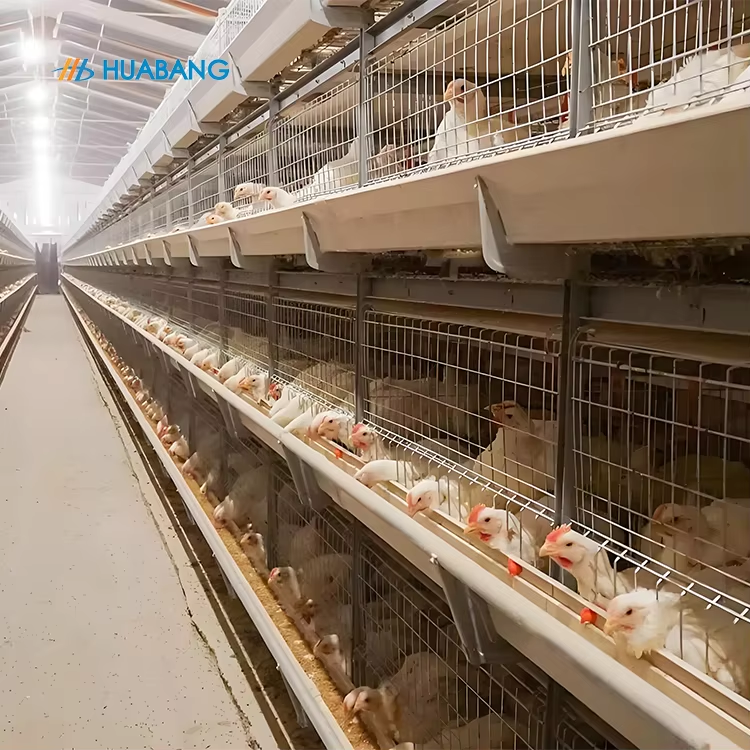
How Ventilation Prevents Corrosion in Poultry Cage Structures
Ammonia Control and Its Direct Impact on Galvanized Steel Degradation
Ammonia—a persistent byproduct of poultry manure decomposition—poses one of the most direct chemical threats to galvanized steel cage structures. In poorly ventilated facilities, concentrations regularly exceed 50 ppm, initiating rapid degradation of the zinc coating through formation of soluble zinc ammonium complexes. This undermines the sacrificial protection that normally extends service life to 15–20 years; uncontrolled ammonia exposure can cut that lifespan in half. Adequate ventilation exhausts ammonia-laden air before concentrations reach corrosive thresholds, maintaining levels below 25 ppm—the threshold shown in a peer-reviewed study to reduce corrosion rates by 32% over 12 months (Corrosion Science 2023). High-capacity exhaust fans paired with strategically placed inlets not only lower ammonia but also stabilize humidity and temperature, preserving coating integrity and preventing sudden structural failures.
Humidity and Temperature Regulation: Slowing Rust Formation on Poultry Cage Surfaces
Moisture is the essential catalyst for electrochemical rust formation—even on intact galvanized surfaces. Diurnal temperature swings cause warm, humid air to condense on cooler cage wires, creating localized electrolytic cells that accelerate corrosion beneath the zinc layer. Effective ventilation prevents dew point condensation by minimizing indoor–outdoor temperature differentials and expelling water vapor from bird respiration and wet manure. Sustained relative humidity below 60% significantly slows surface oxidation and reduces damaging wet–dry cycling, which stresses coatings and promotes micro-cracking. Long-term field monitoring confirmed that well-ventilated barns exhibited 40% less visible rust on cage components after five years compared to poorly ventilated counterparts (Materials Performance 2022). This environmental stability directly extends structural service life while lowering total cost of ownership.
Heat Stress Mitigation Preserves Weld Strength and Coating Adhesion
Sustained high temperatures degrade poultry cage integrity at both macro and molecular levels. When ambient temperatures exceed 28 °C, thermal expansion places cyclic stress on welded joints—gradually weakening fusion zones and promoting micro-fractures. Simultaneously, the zinc coating expands at a different coefficient than the underlying steel, compromising adhesion and encouraging blistering or flaking. Precision ventilation—particularly automated tunnel systems with temperature-triggered fan staging—maintains optimal ambient conditions (18–22 °C for layers), preventing these cumulative thermal effects. Farms using such systems report markedly reduced coating delamination and weld fatigue after three years of operation. Without this control, repeated thermal cycling acts like a slow-motion hammer on structural bonds—eroding rigidity and increasing long-term vulnerability.
Lower Ambient Stress Extends Maintenance Intervals for Poultry Cage Systems
Stable temperature and humidity reduce the frequency and magnitude of metal expansion–contraction cycles across the entire cage system. Support beams remain aligned, hinges retain proper torque, and latch mechanisms avoid gradual deformation. This mechanical consistency directly slows corrosion-induced pitting and fatigue wear, decreasing the need for unscheduled interventions. A 2022 field audit of 14 commercial layer complexes found farms with precisely controlled air exchange performed bolt retorquing and coating touch-ups only twice per year—compared to every seven to eight weeks in poorly ventilated units. Fewer maintenance events mean less risk of accidental abrasion or coating damage from tools and handling, keeping cages in service-ready condition between flocks rather than reacting to emergent failure.
Evidence-Based Longevity Gains: 37% Fewer Unscheduled Repairs with Balanced Ventilation
A properly engineered ventilation system delivers measurable structural ROI—not just improved bird welfare. Industry-wide equipment longevity data from 2023 shows operations with balanced airflow experienced 37% fewer unscheduled repairs than those relying on natural or undersized mechanical ventilation. This reduction stems directly from sustained control of ammonia and humidity—two primary drivers of galvanized steel corrosion. Fewer breakdowns translate into lower parts replacement costs, minimized production downtime, and predictable maintenance scheduling. By investing in precision ventilation controls, producers shift from reactive, labor-intensive upkeep to proactive, cost-efficient operations—extending the functional life of every cage component while protecting capital investment.
Disease Prevention Indirectly Supports Poultry Cage Durability
Disease outbreaks—especially respiratory illnesses and enteritis—indirectly accelerate cage corrosion by worsening the facility’s microclimate. Ill birds produce more wet litter and excreta, elevating both moisture load and ammonia generation. Ammonia levels above 20 ppm aggressively attack zinc coatings, while frequent, aggressive sanitization with caustic chemicals further degrades protective layers. Notably, a 2024 analysis of 12 Midwestern farms found that switching to galvanized cage systems correlated with a 40% drop in respiratory infections and a 29% decline in bacterial enteritis (Midwestern Poultry Farm Analysis 2024). Healthier flocks generate drier litter, limiting daily ammonia exposure to just 1.2 hours in well-ventilated cage setups—versus 7.8 hours in open-floor systems (Poultry Cage System Study 2023). This sustained low-ammonia environment preserves fastener strength, weld integrity, and coating performance, reinforcing the structural durability of the poultry cage system over time.
Frequently Asked Questions
How does ammonia affect galvanized steel in poultry cage structures?
Ammonia accelerates corrosion of galvanized steel by reacting with the zinc coating, forming soluble zinc ammonium complexes. This reduces the lifespan of the cages and can significantly weaken their structural integrity.
Why is humidity control important in poultry facilities?
Humidity promotes rust formation and can cause condensation on cage wires, leading to localized corrosion beneath the zinc coating. Controlling humidity reduces the rate of oxidation and prolongs the service life of the cage structures.
What are the benefits of temperature regulation in poultry facilities?
Proper temperature regulation prevents heat-induced stress on welded joints and zinc coating adhesion. It reduces thermal expansion cycles that weaken structural bonds and protects cage integrity over time.
Can ventilation lower maintenance costs for poultry cages?
Yes, balanced ventilation systems reduce corrosion-related wear and tear, minimizing the need for frequent maintenance such as bolt retorquing or coating touch-ups.
How does ventilation help in disease prevention and its impact on cages?
Ventilation reduces ammonia and moisture levels, creating a healthier environment that minimizes respiratory illnesses and enteritis in birds. Healthier birds produce drier litter, which reduces corrosion risks and extends cage durability.
Table of Contents
-
How Ventilation Prevents Corrosion in Poultry Cage Structures
- Ammonia Control and Its Direct Impact on Galvanized Steel Degradation
- Humidity and Temperature Regulation: Slowing Rust Formation on Poultry Cage Surfaces
- Heat Stress Mitigation Preserves Weld Strength and Coating Adhesion
- Lower Ambient Stress Extends Maintenance Intervals for Poultry Cage Systems
- Evidence-Based Longevity Gains: 37% Fewer Unscheduled Repairs with Balanced Ventilation
- Disease Prevention Indirectly Supports Poultry Cage Durability
-
Frequently Asked Questions
- How does ammonia affect galvanized steel in poultry cage structures?
- Why is humidity control important in poultry facilities?
- What are the benefits of temperature regulation in poultry facilities?
- Can ventilation lower maintenance costs for poultry cages?
- How does ventilation help in disease prevention and its impact on cages?