
 EN
EN
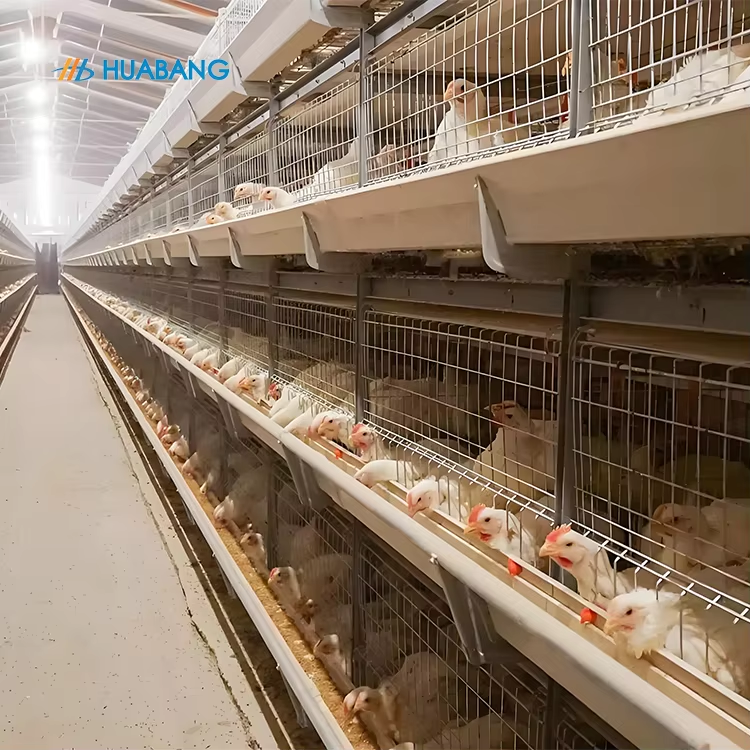
Automated Feeding and Watering Systems for Standard Poultry Cage Integration
Precision Feed Delivery and Synchronization with Cage Layout
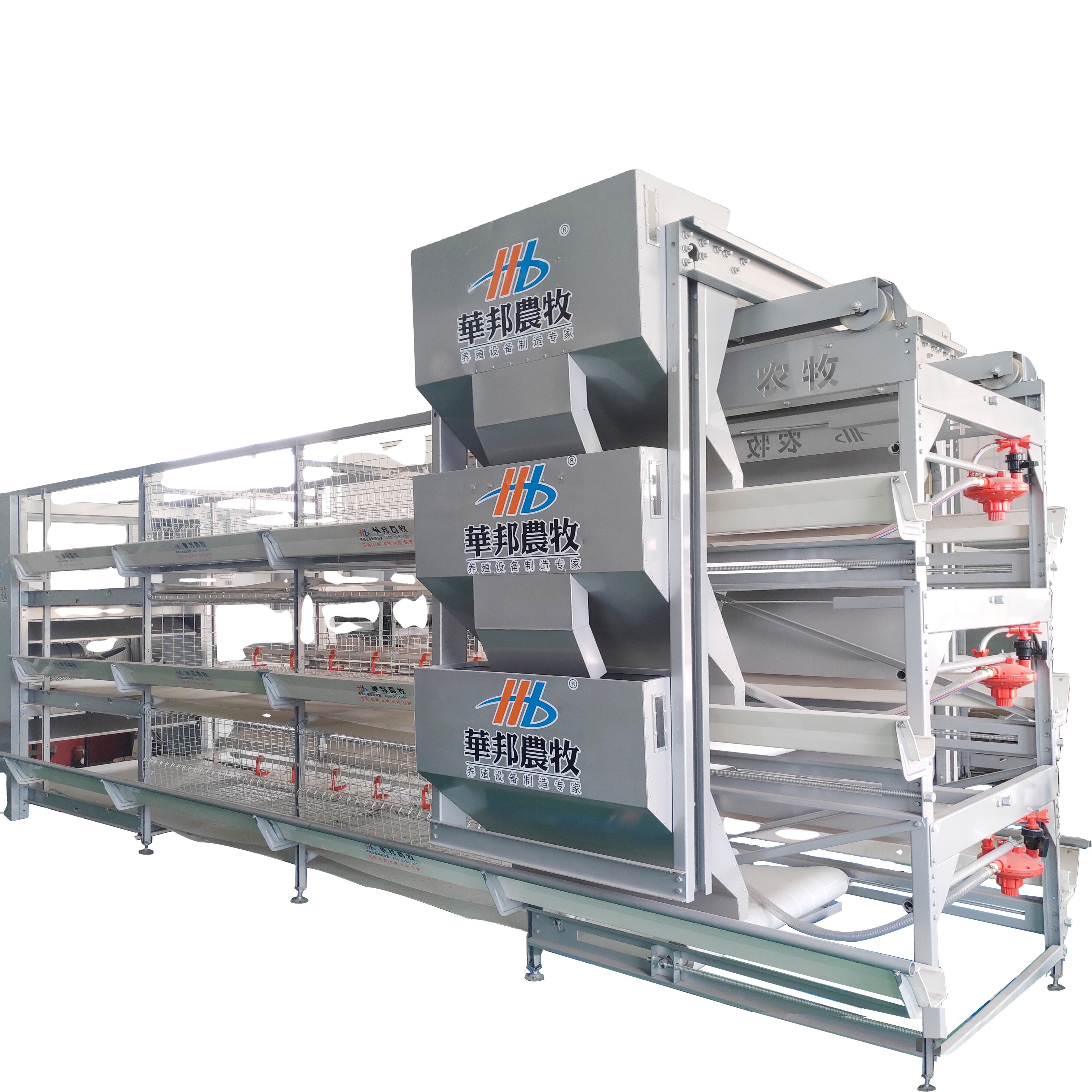
Modern poultry cage operations rely on automated feeding systems engineered to deliver nutrition precisely while minimizing waste. Programmable dispensers synchronize feed distribution with tiered cage layouts—ensuring uniform access across all levels and eliminating dead zones where birds might miss meals. Auger-based conveyors and chain feeders adjust portion sizes dynamically by flock density and age, lowering feed costs by up to 12% compared to manual methods. This spatial and temporal alignment directly supports welfare standards in high-density housing by reducing competition and spillage, promoting consistent growth and health.
Nipple Drinkers, Flow Sensors, and Leak Prevention in Cage Housing
Hygienic water delivery in standard cage systems centers on closed-circuit nipple drinkers—proven to reduce microbial contamination versus open troughs. Pressure regulators maintain optimal flow (40–70 ml/minute per nipple), while inline sensors detect blockages or leaks within minutes, preventing dehydration events that can depress egg production by 15%. Anti-leak silicone valves and reinforced seals minimize water waste and humidity spikes—key drivers of ammonia accumulation. When paired with scheduled automated flushing cycles, these systems cut bacterial biofilm formation by 80%, significantly improving flock health metrics and air quality.
Egg Collection and Sanitation Infrastructure for Standard Poultry Cage Farms
Belt-Based Retrieval: Design Compatibility and Downtime Reduction
Belt-based egg retrieval systems are precision-engineered for seamless integration with standard poultry cage tiers—reducing manual handling by 30% and daily collection time by 25% (Industry Report 2023). Critical design features include belt widths matched to row configurations to prevent jamming, modular sections enabling rapid repairs without full shutdowns, and adjustable-tension roller mechanisms accommodating variable egg sizes. This architectural alignment reduces breakage to under 2%, safeguarding profitability in high-volume operations.
On-Site Grading, Cleaning, and Pathogen Control at the Cage Exit Point
Immediate processing at the cage exit point enhances food safety, quality compliance, and operational efficiency. Optical grading systems sort eggs by weight and shell integrity before sanitization—rejecting substandard units early in the workflow. Cleaning combines water-based sanitizers held at 40°C (104°F) for maximum efficacy with UV-C light tunnels achieving 99.8% microbial reduction (USDA 2023), followed by food-grade drying that preserves the egg’s natural cuticle. Integrated pathogen controls—including electrostatic filtration and periodic ozone misting—meet FSIS sanitation standards and reduce cross-contamination risk by 45% compared to off-site processing, while improving product uniformity.
Climate Management Systems Optimized for Standard Poultry Cage Environments
Targeted Ventilation Strategies to Reduce Ammonia in Multi-Tier Cages
In multi-tier cage systems, ammonia buildup near manure belts poses serious welfare and productivity risks. Tunnel ventilation—combined with strategically placed exhaust fans—ensures consistent air exchange across all tiers, countering stratification and localized gas accumulation. Humidity sensors linked to variable-speed fans prevent moisture-laden air from stagnating—a primary catalyst for ammonia volatilization. These targeted airflow strategies not only improve respiratory health but also correlate with measurable gains in feed conversion efficiency and lower mortality rates.
LED Photoperiod Control and Its Impact on Layer Uniformity in Cage Systems
LED lighting enables precise photoperiod management—controlling duration, intensity, and spectral composition—to align with avian circadian biology. Blue-dominant spectra during active hours stimulate feeding and alertness; warmer tones during rest phases support calmness and feather integrity. Gradual dimming mimics natural dawn/dusk transitions, reducing stress behaviors like feather pecking common in dense cage environments. Research confirms such regimens improve laying synchronization, tighten egg size distributions, and extend peak production—directly enhancing grading efficiency and economic returns.
Manure Handling Solutions Designed for Standard Poultry Cage Configurations
Automated manure removal systems are purpose-built for standard poultry cage dimensions—enabling reliable, labor-efficient waste management across farm scales. Belt conveyors and scrapers integrate seamlessly with tiered layouts, and scheduled operation maintains consistent hygiene without proportional staffing increases. Regular removal controls ammonia emissions, suppresses odor and fly proliferation, and improves air quality for both birds and workers. With proper maintenance, these systems deliver measurable labor savings while supporting higher egg quality, improved flock welfare, and long-term sustainability goals in modern cage-based layer production.
FAQ
What are the benefits of automated feeding systems in poultry farming?
Automated feeding systems deliver precise nutrition while minimizing waste. They synchronize feed distribution with cage layouts, ensure uniform access, and reduce feed costs by up to 12% compared to manual methods.
How do nipple drinkers improve water hygiene in poultry cages?
Nipple drinkers are closed-circuit systems that reduce microbial contamination compared to open troughs. Pressure regulators and leak prevention mechanisms ensure optimal water flow while maintaining hygiene.
What advantages do belt-based egg retrieval systems offer?
They reduce manual handling by 30% and collection time by 25%. These systems are designed to reduce breakage, prevent jamming, and allow rapid repairs to minimize downtime.
How do ventilation systems reduce ammonia levels in multi-tier cages?
Tunnel ventilation and strategically placed exhaust fans enhance consistent air exchange and prevent moisture-laden air from stagnating, which reduces ammonia levels and improves respiratory health.
Why is LED lighting important in poultry cage environments?
LED lighting allows for precise photoperiod control, mimicking natural light cycles to reduce stress and improve laying synchronization, egg size distribution, and overall productivity.
Table of Contents
- Automated Feeding and Watering Systems for Standard Poultry Cage Integration
- Egg Collection and Sanitation Infrastructure for Standard Poultry Cage Farms
- Climate Management Systems Optimized for Standard Poultry Cage Environments
- Manure Handling Solutions Designed for Standard Poultry Cage Configurations
-
FAQ
- What are the benefits of automated feeding systems in poultry farming?
- How do nipple drinkers improve water hygiene in poultry cages?
- What advantages do belt-based egg retrieval systems offer?
- How do ventilation systems reduce ammonia levels in multi-tier cages?
- Why is LED lighting important in poultry cage environments?