
 EN
EN
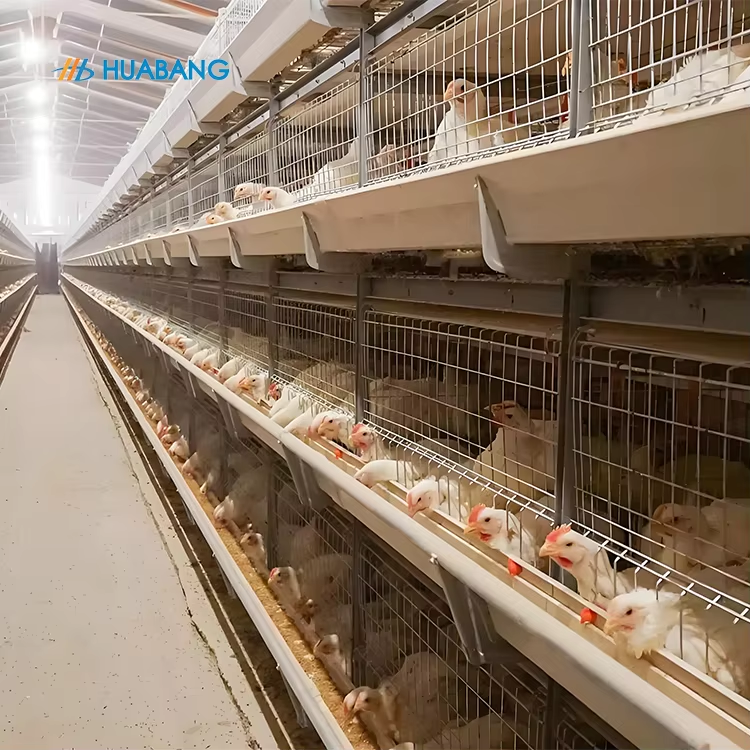
Modular Poultry Equipment Enables Seamless Scaling Without Operational Disruption
How Plug-and-Play Design Minimizes Downtime During Expansion or Tech Upgrades
Modular poultry equipment functions like building blocks—each component integrates seamlessly via standardized mechanical, electrical, and data connections. This plug-and-play architecture eliminates complex rewiring, structural modifications, or system-wide recalibration during expansion. Operations continue uninterrupted as new modules snap into place while enterprise resource planning (ERP) software auto-configures settings. Producers scaling from 5,000 to 25,000 birds can add feeders, climate-control units, or ventilation modules during routine maintenance windows—avoiding the weeks-long shutdowns typical of traditional retrofits, which cost mid-sized farms an estimated $740,000 in lost revenue annually (Ponemon Institute, The Cost of Operational Downtime in Livestock Production, 2023).
Data Insight: 68% of Mid-Sized Farms Achieve <48-Hour Downtime With Modular Poultry Equipment (FAO 2023)
The Food and Agriculture Organization’s 2023 global benchmarking study confirms modularity’s operational advantage: 68% of mid-sized farms complete equipment upgrades in under 48 hours. This agility stems from three foundational design principles:
- Pre-tested compatibility: Factory-certified components undergo integrated functional testing before shipment—no field calibration or interface troubleshooting required
- Unitized replacement: Faulty modules (e.g., a single controller or fan bank) swap out without disrupting adjacent systems or halting production
- Parallel installation: New capacity activates while legacy infrastructure remains fully operational
This efficiency was validated across Nigerian commercial farms scaling from starter flocks to 25,000 birds within 14 months—where reduced transition downtime correlated with a 23% improvement in feed-conversion ratios during growth phases.
Cost Efficiency: Lower Long-Term CAPEX and Higher ROI with Modular Poultry Equipment
Traditional vs. modular: Why fixed systems inflate 5-year CAPEX by 32%
Fixed poultry equipment locks producers into static layouts that demand full system replacement—or costly, site-specific re-engineering—during expansion. A 2023 industry analysis by the Poultry Equipment Manufacturers Association found traditional setups increase five-year capital expenditure by 32% versus modular alternatives. Primary drivers include demolition labor, civil rework, and custom-fabricated components required for every capacity change. Modular systems bypass these costs entirely: standardized, reusable components attach and detach without structural alteration. The plug-and-play nature cuts initial installation costs by up to 25% and transforms future upgrades from unpredictable capital events into predictable, budgetable line items. Savings are routinely redirected toward high-impact improvements—such as precision ventilation, enhanced biosecurity, or automated feeding—directly lifting flock health, yield, and margin.
Lifecycle savings: Reduced retrofitting, spare-part standardization, and phased investment
Modular poultry equipment delivers measurable lifecycle value through three interlocking mechanisms:
- Reduced retrofitting: Modules are engineered for reuse—not obsolescence—so only failed or outdated units are replaced, not entire subsystems
- Spare-part standardization: Identical fan banks, feeder actuators, and nipple drinkers serve multiple house sizes and stages—cutting inventory complexity and holding costs by up to 40%
- Phased investment: Farmers purchase capacity incrementally—aligning CAPEX precisely with revenue generation—avoiding large upfront loans and minimizing debt service burden
Over a ten-year horizon, total cost of ownership for modular operations averages 18–22% lower than fixed-equipment farms, according to longitudinal data from the International Poultry Council. That freed capital supports strategic reinvestment in land, labor, or digital farm management tools.
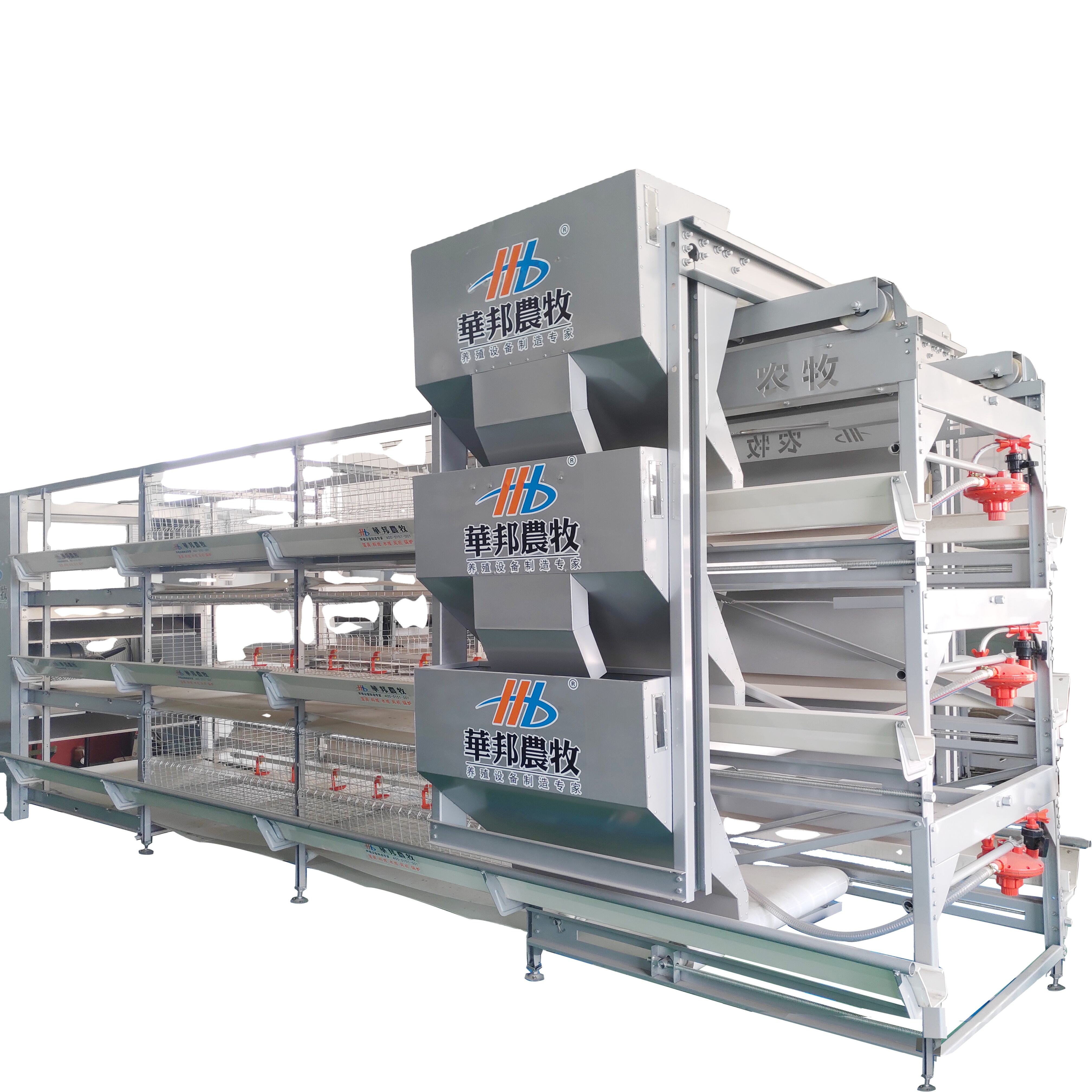
Future-Proofing Through Smart Equipment Selection Aligned with Growth Trajectory
Matching poultry equipment capacity to staged growth—5,000 to 25,000 birds in 14 months (Nigeria case study)
A Nigerian commercial layer operation scaled from 5,000 to 25,000 birds in just 14 months—not by overbuilding, but by selecting poultry equipment designed for incremental, demand-aligned growth. Instead of installing a single oversized feeding or drinking system, the farm deployed modular feeding lines and nipple drinker arrays that expanded one house module at a time. Each addition integrated natively with existing controllers and power/data buses—requiring no rewiring, controller replacement, or firmware reconfiguration. This approach kept capital expenditure tightly coupled to cash flow, eliminated financial strain from premature over-investment, and ensured zero production downtime. Every new module achieved full operational readiness within 48 hours. Critically, the consistent, uninterrupted environment preserved flock uniformity and egg-laying performance throughout the expansion—demonstrating that scalability rooted in intelligent equipment selection—not scale alone—is the cornerstone of sustainable profitability in modern poultry farming.
Infrastructure Agility: How Modular Poultry Housing Supports Zoning, Retrofitting, and Land Optimization
Modular poultry housing uses prefabricated, interlocking structural units with pre-installed utilities—electrical conduits, water manifolds, and HVAC ducting—enabling rapid on-site assembly and non-disruptive retrofitting. Because modules are designed for relocation, stacking, or repurposing, operators optimize land use even on irregular, sloped, or previously underutilized plots. This infrastructure agility eliminates permanent structural commitments, reduces construction waste by up to 35%, and supports dynamic zoning strategies—such as isolating brooding, growing, and laying zones for enhanced biosecurity. As production goals evolve—from meat birds to layers, or from conventional to organic certification—modular housing adapts without demolition, enabling long-term operational resilience.
FAQ
What is modular poultry equipment?
Modular poultry equipment consists of plug-and-play components that integrate seamlessly to support dynamic scaling and easy retrofitting without disrupting operations.
How does modular equipment minimize downtime?
Modular systems use standardized connections, allowing new units to be installed during routine maintenance windows, ensuring operational continuity.
What are the long-term cost benefits of modular systems?
Modular systems reduce CAPEX by eliminating demolition and re-engineering costs while supporting phased investments, lowering total cost of ownership by 18–22% over ten years.
Can modular housing adapt to changing production goals?
Yes, modular housing is designed to support relocation, stacking, or repurposing, enabling adaptation to different production types or certifications without demolition.
How quickly can modular equipment upgrades be completed?
On average, upgrades with modular equipment are completed within 48 hours, as per FAO’s global benchmarking study (2023).
Table of Contents
- Modular Poultry Equipment Enables Seamless Scaling Without Operational Disruption
- Cost Efficiency: Lower Long-Term CAPEX and Higher ROI with Modular Poultry Equipment
- Future-Proofing Through Smart Equipment Selection Aligned with Growth Trajectory
- Infrastructure Agility: How Modular Poultry Housing Supports Zoning, Retrofitting, and Land Optimization
- FAQ