
 EN
EN
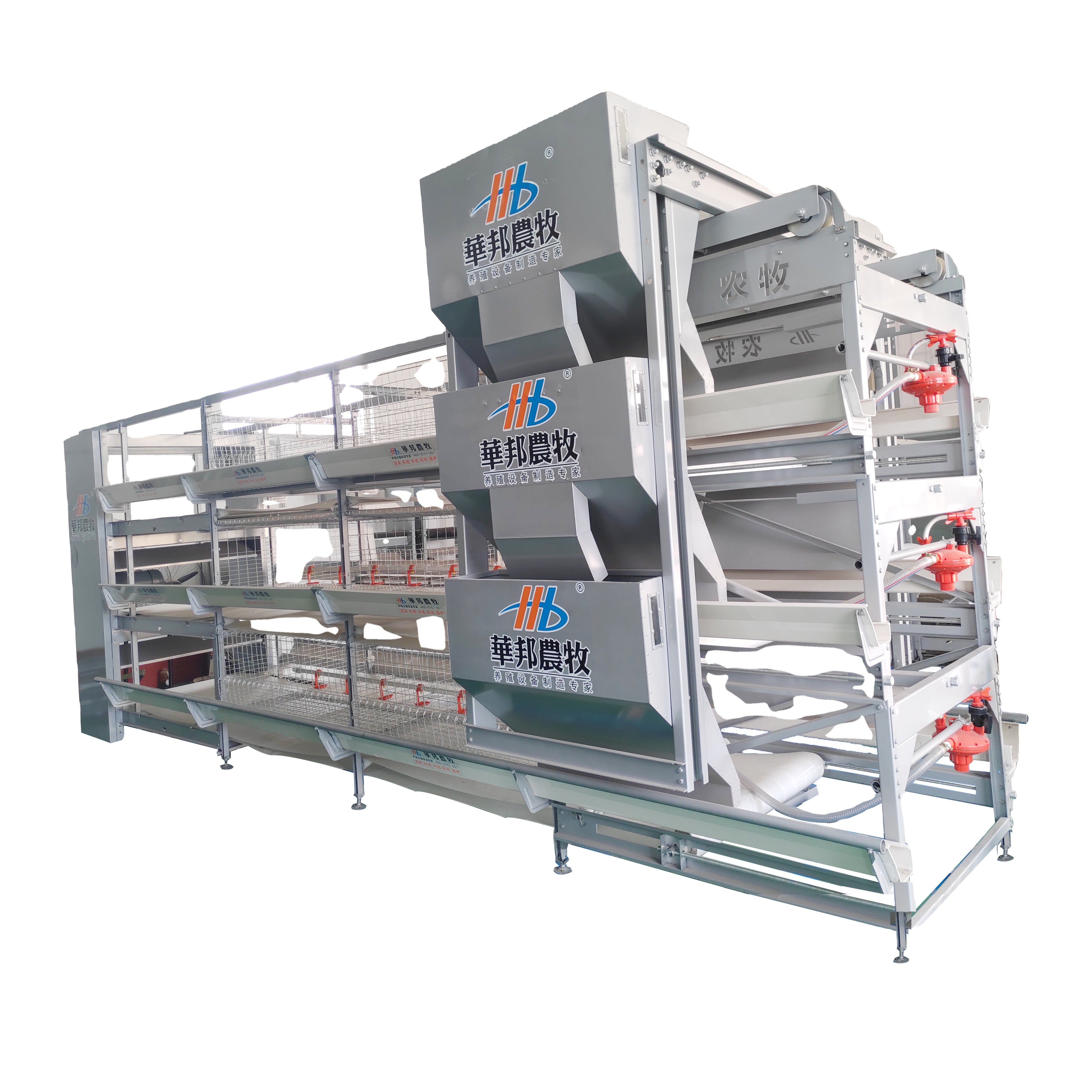
Space Efficiency and Higher Stocking Density Without Compromising Welfare
How Vertical Stacking in a Multi-Layer Chicken Coop Maximizes Floor Area
A multi-layer chicken coop leverages vertical space to dramatically increase usable floor area without expanding the building footprint. Instead of spreading birds across a single large floor, multi-tier systems allocate each flock to an independent vertical level—effectively multiplying capacity within the same ground coverage. For example, a three-tier coop can triple the capacity of a single-tier structure of identical dimensions. The efficiency principle is simple: three identical cages stacked vertically require just one-third of the floor area compared to placing them side by side. This released ground space can be repurposed for equipment storage, feed silos, or future expansion. Commercial operations find this vertical layout especially valuable on costly land. When paired with proper ventilation and tier-specific environmental controls, multi-layer systems support stocking densities of 12–15 birds per square meter—compared to 6–8 in floor-based systems—without reducing per-bird space or compromising welfare standards (FAO Guidelines on Poultry Housing, 2022).
Single-Tier vs. Multi-Layer Chicken Coop: Real-World Space Utilization on Commercial Farms
A single-tier, floor-based coop typically allocates 1,000 square meters to house 8,000 birds at a density of 8 birds per square meter, achieving an 8:1 bird-to-floor ratio. In contrast, a multi-layer chicken coop with the same footprint can house 24,000 birds across three tiers at 24 birds per square meter—yet each bird retains nearly identical individual space. The table below contrasts the core metrics:
| Metric | Single-Tier Coop | Multi-Layer Coop | Difference |
|---|---|---|---|
| Floor area (m²) | 1,000 | 1,000 | Same |
| Birds housed | 8,000 | 24,000 | +200% |
| Density per m² | 8 | 24 | +200% |
| Per-bird area (m²) | 0.125 | 0.125 | Equal |
| Waste management | Manual scraping | Automated belt removal | Labor saved |
| Ventilation load | Low (single level) | Higher but zoned per tier | Requires design |
This comparison shows that a multi-layer chicken coop boosts capacity threefold without shrinking per-bird floor allowance. Crucially, welfare parameters—such as per-bird area, feeder space, and drinker access—remain identical across both layouts. The primary trade-off is higher upfront investment. However, because each tier houses 8,000 birds independently, environmental control can be tuned per zone, keeping stress low. For breeders facing land constraints, a multi-layer chicken coop is the most practical path to scaling production while maintaining animal welfare and biosecurity standards.
Labor Reduction and Operational Efficiency Through Automation Integration
Time and Labor Savings per Bird: Automated Feeding, Manure Removal, and Egg Collection
A multi-layer chicken coop equipped with automation drastically cuts the time needed for daily chores. Automated feeding systems deliver precise rations to each tier, eliminating the need for hand-scooping and carrying heavy feed bags. Mechanical manure removal belts whisk waste away continuously, reducing cleaning frequency by up to 70%. Egg collection is streamlined via conveyor belts that gently carry eggs from nesting areas to a central packing station—eliminating repetitive bending and lifting. On a commercial farm housing 50,000 birds, these three automated processes can shrink daily labor requirements from 12 person-hours to just 3. This frees staff to focus on health monitoring and proactive flock management—supporting high welfare standards with fewer personnel.
Reduced Feed Waste and Improved Conversion Rates via Precision Delivery in Multi-Layer Chicken Coop Systems
Precision feeders in a multi-layer chicken coop dispense feed in small, frequent portions aligned with birds’ natural eating patterns—minimizing spillage and overconsumption. Compared to manual trough feeding, automated precision delivery can cut feed waste by 15–20%. Better feed usage directly improves feed conversion ratios (FCR), meaning each bird gains more weight per kilogram of feed consumed. Over a full production cycle, even a 5% improvement in FCR translates into significant cost savings. By integrating weigh cells and sensors, the system adjusts rations per tier, ensuring younger or lighter birds receive appropriate nutrition. This level of control reduces unnecessary expense and boosts overall profitability—without sacrificing bird health or performance.
Improved Biosecurity and Lower Disease Risk in Multi-Layer Chicken Coop Environments
Tier Isolation Limits Cross-Contamination and Pathogen Transmission
A multi-layer chicken coop physically separates birds by vertical tiers, creating independent living zones. This design restricts direct contact between flocks and slows the spread of airborne and contact-transmitted diseases. Manure from upper cages drops away from lower birds, reducing fecal-oral contamination routes. Cleaning and disinfection between production cycles become more efficient because each tier can be accessed and sanitized separately. Studies on stacked cage systems show measurable reductions in pathogen loads compared to floor-based housing, with some farms reporting up to a 50% reduction in bacterial counts (USDA APHIS Poultry Health Monitoring Report, 2021). The isolation also limits personnel and equipment movement between groups—further lowering cross-contamination risks. Each tier effectively functions as a self-contained biosecurity unit, helping breeders maintain healthier flocks with fewer disease outbreaks.
Stable Environmental Control Enhances Immune Function and Reduces Stress
Automated ventilation, heating, and cooling systems within a multi-layer chicken coop create a steady microclimate regardless of outside weather. Temperature and humidity remain within optimal ranges—directly reducing stress hormone levels in birds. Lower stress supports stronger immune responses and lowers susceptibility to respiratory and enteric diseases. Precision air exchange removes ammonia, dust, and excess moisture—key triggers for avian illness. In well-regulated environments, mortality rates often decline and medication use decreases, as birds are not constantly fighting environmental extremes. Stable conditions also allow chickens to allocate more energy toward growth and egg production instead of thermoregulation. By eliminating temperature swings and poor air quality, the coop environment itself becomes a first line of defense against disease.
FAQ
What is a multi-layer chicken coop?
A multi-layer chicken coop is a housing system where bird cages or living spaces are stacked vertically in tiers, maximizing floor area usage without increasing the building's footprint.
How does a multi-layer coop compare to a single-tier coop?
A multi-layer coop significantly increases capacity—up to three times more birds in the same footprint—while maintaining the same per-bird space allocation as a single-tier coop.
Does a multi-layer chicken coop compromise animal welfare?
No, when designed properly with sufficient ventilation, feeder access, and tier-specific environmental controls, welfare standards remain high.
What are the benefits of automation in multi-layer coops?
Automation reduces labor, minimizes feed waste, improves feed conversion ratios, and streamlines egg collection and manure removal, enabling higher efficiency.
How does a multi-layer chicken coop improve biosecurity?
Vertical tier isolation limits flock contact, reducing disease transmission risks, while automated climate control maintains optimal living conditions, lowering stress and illness rates.